Social Security & Medicare
Social Security Administration Confirms 3.6% Cost-of-Living Adjustment for 2027

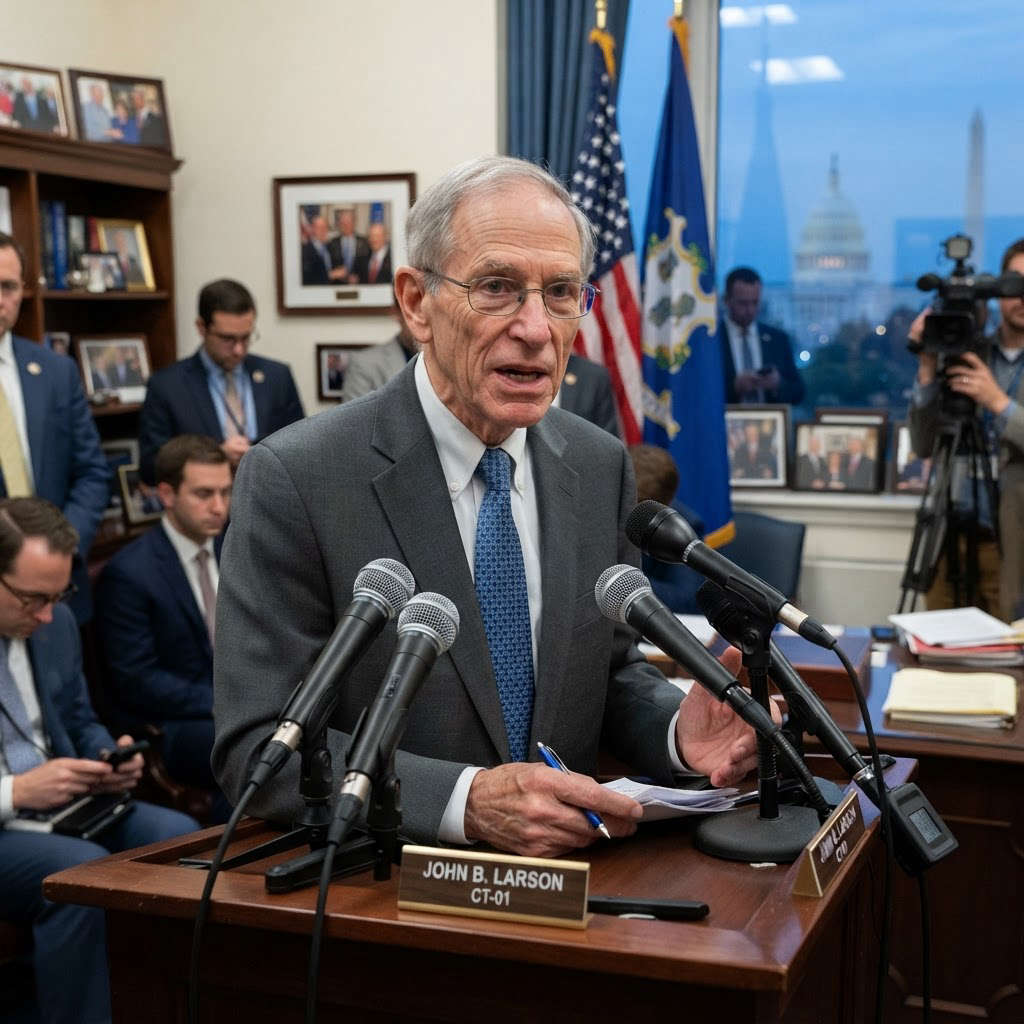
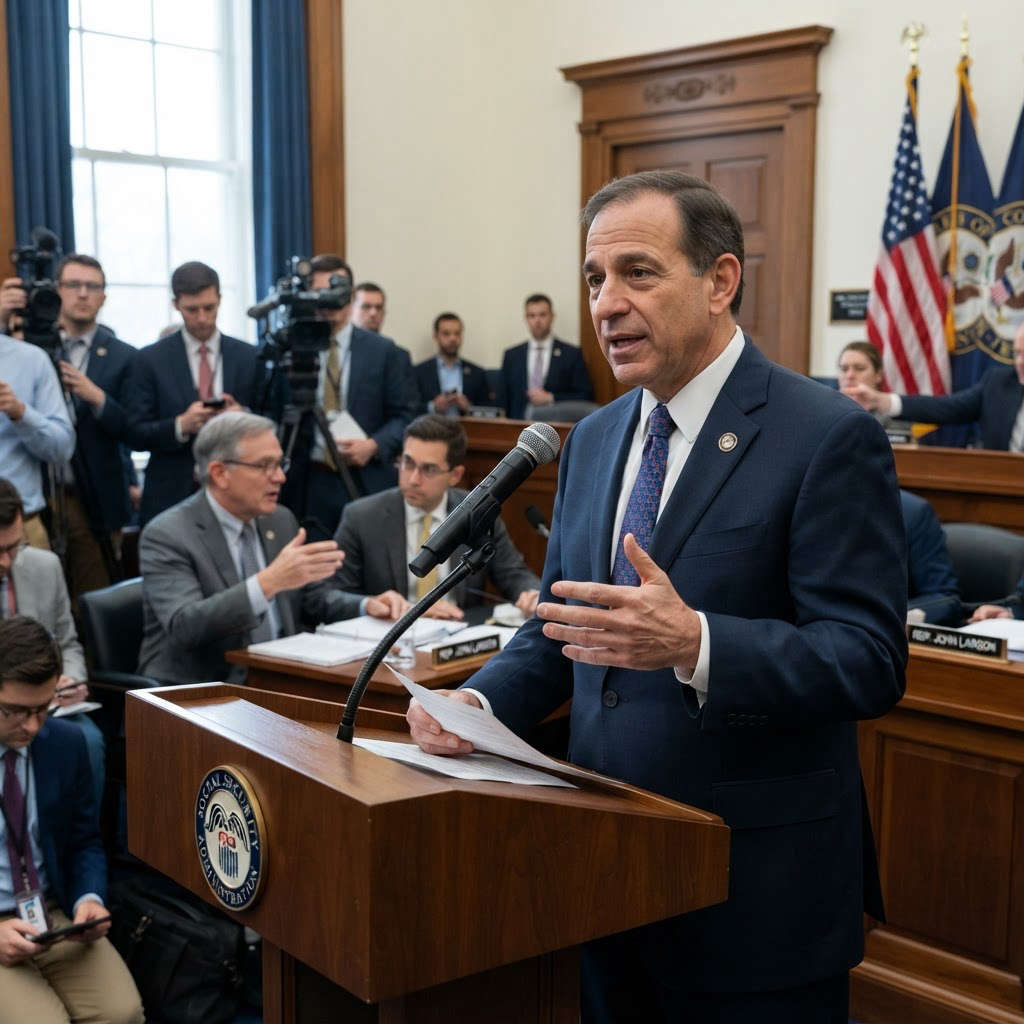
The Social Security Administration has officially confirmed a 3.6% cost-of-living adjustment (COLA) for 2027 to account for recent inflation trends. This adjustment is set to increase the average monthly retirement benefit by approximately $75, with spousal benefits rising by an average of $35. The increase will take effect in January 2027 for all eligible Social Security recipients. This policy change aims to maintain the purchasing power of beneficiaries against rising consumer costs.
Why This Matters to the United States
This adjustment directly impacts the financial stability of millions of American retirees and disabled individuals, influencing national consumer spending and the federal budget.
The primary actor is the Social Security Administration (SSA), which is responsible for calculating and distributing benefits. The beneficiaries include millions of American retirees, disabled individuals, and their dependents. The policy is overseen by the executive branch and is subject to oversight by the U.S. Congress.
The SSA has confirmed a 3.6% cost-of-living adjustment (COLA) for 2027. This adjustment is designed to ensure that the purchasing power of Social Security benefits is not eroded by inflation. The increase applies to retirement, disability, and spousal benefits, with the average retiree expected to see an increase of approximately $75 per month.
This policy affects all 50 states, the District of Columbia, and U.S. territories. The administration of these benefits is centralized through the SSA's national network of field offices and digital infrastructure.
The adjustment was confirmed in early November 2026, following the analysis of inflation data. The new benefit amounts will take effect in January 2027. Beneficiaries are expected to receive official notices regarding their specific adjustments in the weeks leading up to the new year.
The COLA is mandated by law to ensure that Social Security benefits keep pace with the rising cost of goods and services, as measured by the Consumer Price Index for Urban Wage Earners and Clerical Workers (CPI-W). The 3.6% figure reflects the observed inflation trends over the preceding year, aiming to maintain the standard of living for those on fixed incomes.
The SSA calculates the COLA by comparing the average CPI-W for the third quarter of the current year to the average CPI-W for the third quarter of the previous year. If there is an increase, the percentage difference is applied to the benefit amounts for the following year. This process is automated and governed by the Social Security Act, ensuring that adjustments are made consistently without the need for annual congressional intervention.
This adjustment is critical for the financial security of a significant portion of the U.S. population. It serves as a primary defense against the erosion of savings and income due to inflation, directly impacting the ability of seniors to afford basic necessities like food, housing, and healthcare.
Beneficiaries will receive personalized notices detailing their new benefit amounts. The SSA will begin processing the adjusted payments in January 2027. Economists will monitor the impact of this increase on consumer spending and broader inflation metrics.
Key Unknowns
It remains to be seen how the 3.6% increase will interact with future healthcare cost inflation, which often exceeds the general CPI. Additionally, the long-term fiscal impact on the Social Security Trust Fund remains a subject of ongoing debate in Congress.
Watch for official communications from the SSA regarding the specific timing of benefit distributions and any potential legislative proposals aimed at addressing the long-term solvency of the Social Security program in the upcoming session of Congress.
Federal Budget & Debt
Treasury Department Reports Fiscal Year 2026 Deficit of $1.99 Trillion
Summary
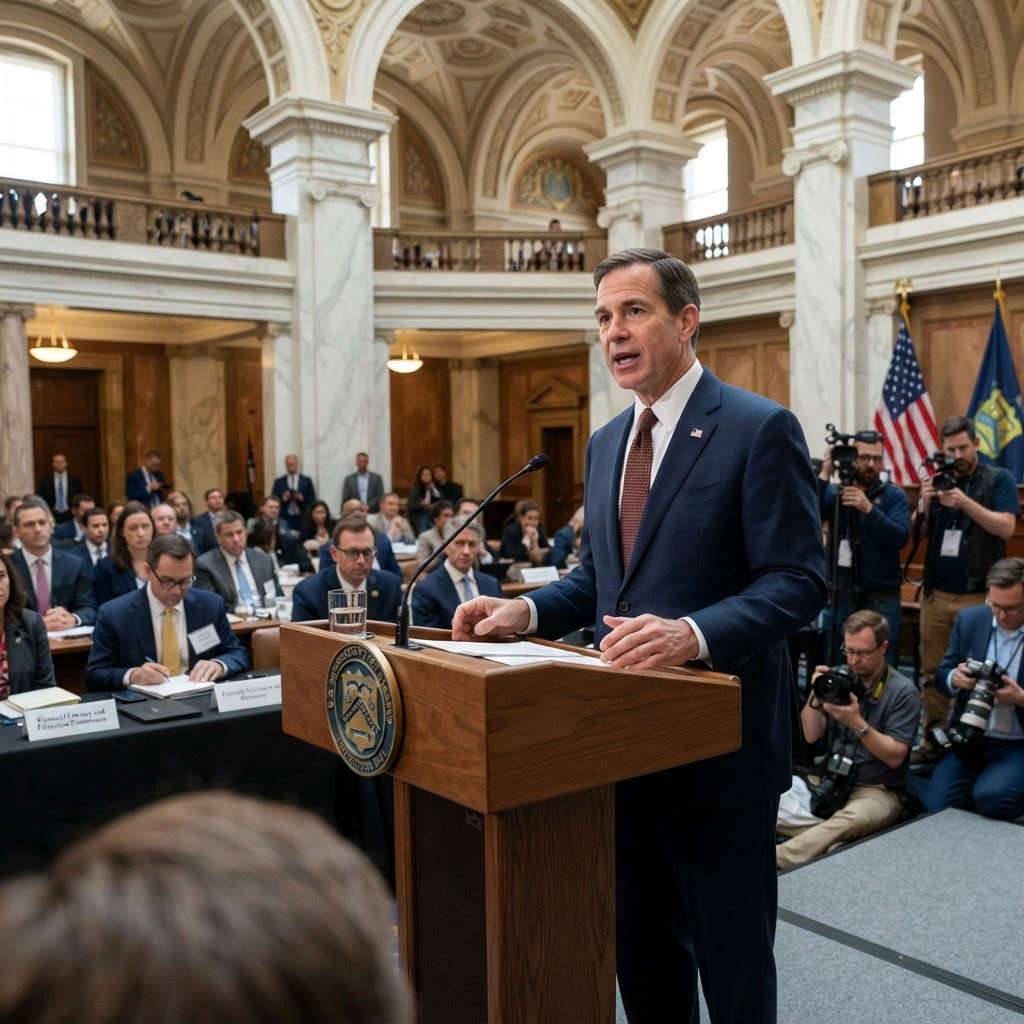
The U.S. Treasury Department reported that the federal budget deficit for fiscal year 2026 totaled $1.99 trillion, an increase of $217 billion from the previous fiscal year. Federal revenues rose by 3 percent to a record $5.4 trillion, while total outlays increased by 6 percent to $7.4 trillion, driven by spending on net interest, major benefit programs, and defense. The national debt surpassed the $40 trillion milestone during the fiscal year.
Why This Matters to the United States
The $2 trillion deficit directly impacts the U.S. economy by increasing the national debt burden, which necessitates higher interest payments and potentially limits future fiscal flexibility for national security and social programs.
The key institutions involved are the Congressional Budget Office (CBO), which provides nonpartisan budget analysis, and the U.S. Department of the Treasury, which manages federal debt and cash flow. Maya MacGuineas, president of the Committee for a Responsible Federal Budget (CRFB), has been a prominent voice calling for fiscal reform. Members of the 119th Congress are the primary decision-makers responsible for addressing the debt limit and fiscal policy.
The federal government recorded a $2 trillion deficit for fiscal year 2026, an increase of $218 billion over the previous year. This deficit is driven by a 6 percent increase in outlays, which outpaced a 3 percent growth in revenues. The gross national debt has surpassed the $40 trillion milestone, and interest payments on the debt now exceed the total national defense budget.
The fiscal situation affects the entire United States, as federal borrowing influences interest rates for mortgages, car loans, and business investment nationwide. The jurisdiction for these fiscal decisions lies within the federal government in Washington, D.C.
The fiscal year 2026 concluded on September 30, 2026. The CBO released its final estimates in early October 2026. Projections indicate that the U.S. will likely reach the statutory debt limit in early to mid-2027, necessitating congressional action to avoid a default or the implementation of extraordinary measures.
The deficit is attributed to a combination of rising mandatory spending, increased interest costs on the national debt, and higher defense expenditures. Policymakers face a conflict between the need to fund government operations and the long-term necessity of maintaining fiscal sustainability. The current trajectory is described by analysts as unsustainable, with trust funds for Social Security and Medicare facing insolvency within the next decade.
The government funds its operations through tax revenue and the issuance of Treasury securities. When spending exceeds revenue, the Treasury borrows the difference, increasing the national debt. The statutory debt limit acts as a legal cap on this borrowing, which Congress must periodically raise or suspend. The current fiscal environment is characterized by high interest rates, which increase the cost of servicing this debt, creating a feedback loop that further complicates budget management.
The $2 trillion deficit is a significant indicator of the nation's fiscal health. It highlights the growing burden of interest payments and the looming insolvency of major entitlement programs, which could have profound consequences for the U.S. economy and the social safety net.
Congress will face pressure to address the debt limit in 2027. Policymakers will likely debate various fiscal goals, such as reducing the deficit to 3% of GDP, and may consider reforms to entitlement programs to restore their solvency.
Key Unknowns
It is unclear whether Congress will reach a bipartisan consensus on fiscal reform or if the issue will lead to significant political gridlock. The impact of future economic growth on revenue collection and the potential for further interest rate volatility remain key variables.
Watch for upcoming CBO reports on the long-term budget outlook and any legislative proposals introduced in the new Congress aimed at addressing the deficit and trust fund solvency.
Markets & Financial Stability
Federal Reserve Officials Discuss Future Interest Rate Path

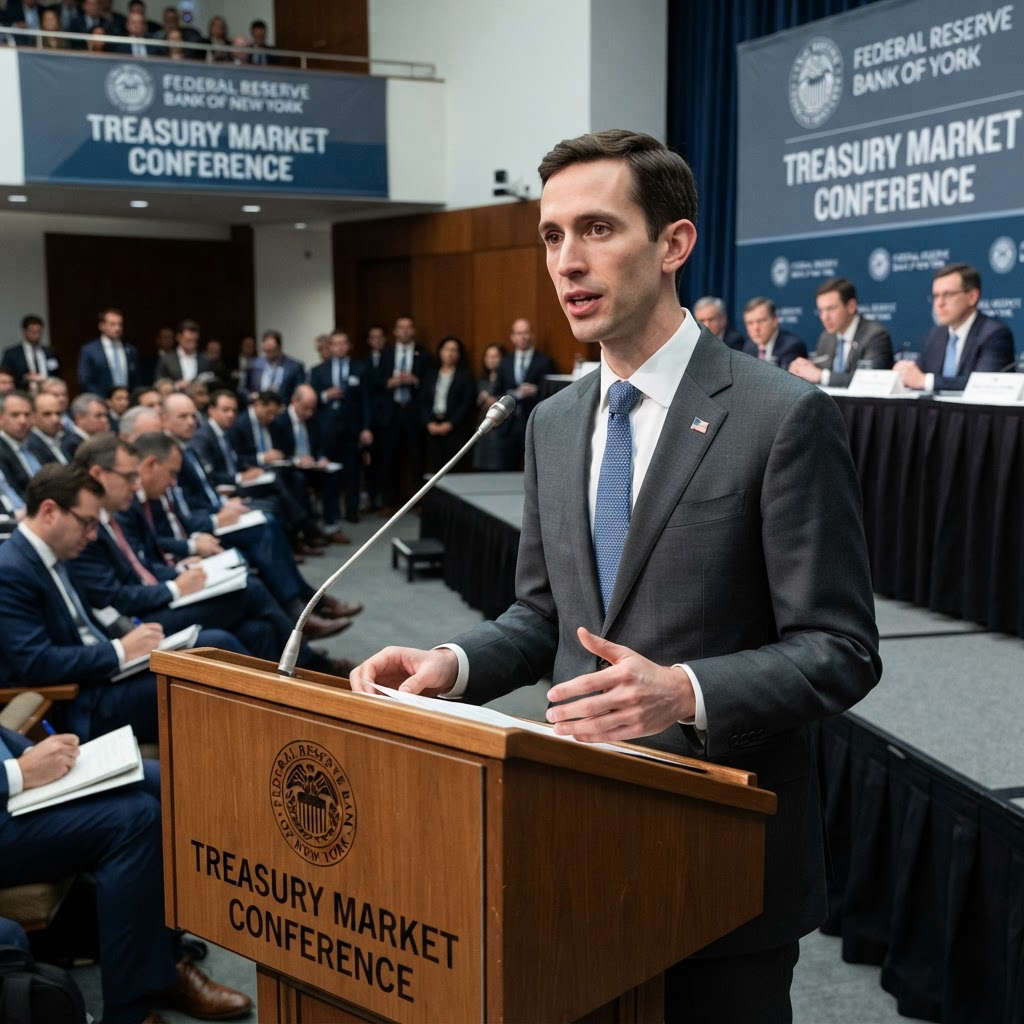
Federal Reserve officials, including Cleveland Fed President Beth Hammack and Richmond Fed President Thomas Barkin, indicated on November 5, 2026, that further interest rate increases may be necessary to address persistent inflation. This follows the Federal Open Market Committee's recent decision to maintain the target range at 3.75%-4.00%. Policymakers noted that while inflation remains above the 2% target, the pace of future adjustments remains a subject of ongoing evaluation. Markets are monitoring these comments alongside broader economic developments.
Why This Matters to the United States
Federal Reserve interest rate policy directly influences borrowing costs for American consumers and businesses, impacting mortgage rates, credit card interest, and overall economic growth.
The key actors involved are Federal Reserve officials, specifically Cleveland Fed President Beth Hammack and Richmond Fed President Thomas Barkin. These individuals are responsible for shaping the central bank's monetary policy stance. The broader Federal Open Market Committee (FOMC), which sets the benchmark interest rate, remains the primary institution overseeing these decisions. Investors and market participants are the primary audience reacting to these signals.
Federal Reserve officials have signaled a preference for a gradual path of interest rate increases to address persistent inflation. This follows the Fed's recent decision to maintain the benchmark interest rate within the 3.75%-4.00% range. The officials argue that despite some positive economic indicators, the central bank has "more work to do" to bring inflation down to its target levels. This guidance is being communicated to manage market expectations following the recent U.S. midterm elections.
The policy decisions are made at the Federal Reserve headquarters in Washington, D.C., with regional bank presidents like Hammack and Barkin providing input from their respective districts. The impact of these decisions is felt across the entire United States economy, affecting financial markets, corporate investment, and consumer borrowing costs.
These statements were made on November 5, 2026. The Federal Reserve held its most recent rate-setting meeting in late October 2026. The next meeting is scheduled for December 2026, where the committee will decide whether to continue the current pause or resume rate hikes.
The stated motivation for the gradual rate-hike path is the need to combat sticky inflation that has proven resistant to previous policy actions. Officials are attempting to balance the need for price stability with the desire to avoid an abrupt economic contraction. There is also a need to communicate clearly with investors who are currently reassessing the economic landscape following the Democratic sweep in the 2026 midterms.
The Federal Reserve utilizes the federal funds rate as its primary tool to influence the economy. By raising this rate, the Fed increases the cost of borrowing for banks, which in turn raises interest rates for consumers and businesses. This mechanism is intended to reduce aggregate demand, thereby slowing price increases. The Fed also uses forward guidance—public statements by officials—to influence market expectations and long-term interest rates.
This policy direction is critical because it sets the tone for the U.S. economy heading into 2027. If the Fed miscalculates, it could trigger a recession or allow inflation to become entrenched. The interaction between the Fed's monetary policy and the new Congress's fiscal agenda will be a defining feature of the coming year.
Markets will closely watch the December FOMC meeting for any shift in the "gradual" rhetoric. Additionally, upcoming inflation data releases will be scrutinized to see if the Fed's current strategy is yielding the desired results.
Key Unknowns
It remains unclear how the new Congress will respond to the Fed's continued rate hikes, particularly if those hikes are perceived to be slowing economic growth or hindering the AI infrastructure buildout. The extent to which AI-driven productivity gains can offset inflationary pressures is also a subject of ongoing debate.
Watch for further statements from other FOMC members regarding their outlook for 2027. Also, monitor the 10-year Treasury yield, as it serves as a benchmark for many consumer loans and is a key indicator of market confidence in the Fed's strategy.


Universe One Admin Verified
13 minutes ago
Test post please ignore
Baltimore Ravens Finalize Trade for Cardinals Quarterback Jacoby Brissett
The Baltimore Ravens are finalizing a trade to acquire veteran quarterback Jacoby Brissett from the Arizona Cardinals. The move comes as the Ravens face a crisis at the position with starter Lamar Jackson sidelined by a thumb injury and backup Tyler Huntley out for the season with turf toe. Brissett, who was recently benched by Arizona, is expected to join the team this weekend and could make his debut as early as Week 10.

Oil, Gas & Commodities
Multiple Oil Tankers Reportedly Catch Fire in Strait of Hormuz



Iran's Islamic Revolutionary Guard Corps (IRGC) and army reported that five oil tankers and a tugboat caught fire in the Strait of Hormuz on November 5, 2026, alleging the vessels struck naval mines while using unauthorized routes. These reports follow recent U.S. defensive strikes on Qeshm Island and ongoing regional military tensions. International maritime authorities have not provided independent confirmation of the incidents, though the British monitor UKMTO reported a tanker being struck by unidentified projectiles off the coast of Qatar. The Strait of Hormuz remains a critical global energy chokepoint.
Why This Matters to the United States
The Strait of Hormuz is a vital artery for global energy markets; disruptions here directly impact U.S. fuel prices, inflation, and the operational costs of maintaining regional security and protecting commercial shipping.
The primary actors involved in the current escalation are the Islamic Revolutionary Guard Corps (IRGC), which has claimed responsibility for the actions in the Strait of Hormuz, and the United States military, which has conducted defensive strikes on Qeshm Island. Other key stakeholders include the Qatari mediators currently facilitating talks in Doha, the United Kingdom Maritime Trade Operations (UKMTO), and various international shipping companies whose vessels are transiting the region.
The IRGC reported that two oil tankers and a tugboat caught fire after striking naval mines while attempting to use unauthorized routes in the Strait of Hormuz. This follows earlier reports of four tankers being destroyed by mines and the seizure of two vessels. The U.S. military has characterized its recent operations as defensive, aimed at protecting assets and ensuring the freedom of navigation in the waterway.
The incidents are concentrated in the Strait of Hormuz, a critical maritime chokepoint between Iran and Oman. Specific locations mentioned include the waters south of the strait and the eastern exit of the waterway. U.S. defensive strikes have targeted Qeshm Island, a strategic location within the strait.
The most recent reports of fires occurred on November 5, 2026. These events follow a series of escalations throughout early November, including U.S. strikes on November 2 and IRGC claims of tanker destruction on November 4. Negotiations in Doha have been ongoing since late October.
Iran claims that the vessels were violating maritime regulations by using unauthorized routes and that the IRGC is enforcing security. Conversely, the U.S. and its allies view these actions as illegal aggression intended to disrupt global energy supplies and exert leverage in the ongoing conflict. The broader context is the unresolved war between the U.S. and Iran, with both sides utilizing military and diplomatic pressure to achieve their respective objectives.
The IRGC is utilizing naval mines and electronic warfare to target and seize vessels, while the U.S. is employing defensive military strikes and intelligence-sharing to protect shipping. The situation is further complicated by the use of Qatari-led diplomatic channels to attempt a ceasefire, though these efforts have yet to yield a definitive resolution. The conflict is characterized by a cycle of provocation and response, with both sides testing the limits of the other's commitment to the region.
Ravens Reportedly Finalizing Trade for Quarterback Jacoby Brissett
The Baltimore Ravens are reportedly finalizing a trade to acquire veteran quarterback Jacoby Brissett from the Arizona Cardinals. The move follows injuries to Ravens quarterbacks Lamar Jackson and Tyler Huntley. The trade is expected to be finalized over the weekend, according to reports from ESPN and NFL Network.

Robotics & Automation
Could 3D-printed self-sensing hinges enable autonomous robotic manipulation in complex environments by 2028
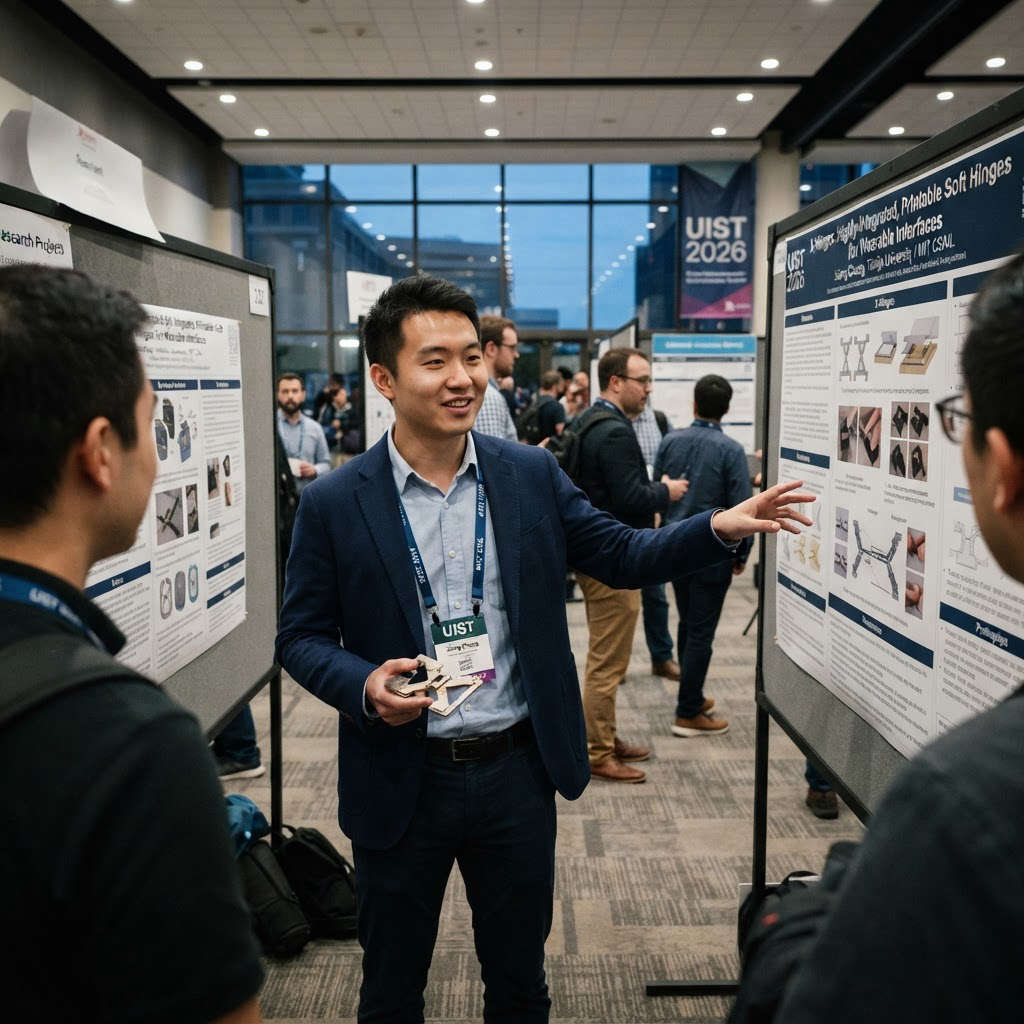
Researchers at MIT have developed 'X-Hinges,' a 3D-printing design tool that embeds sensors directly into the joints of compliant robotic mechanisms to capture multi-axis motion data. This software allows users to design objects that can sense their own deformation, enabling robots to adaptively react to human touch and identify objects through tactile feedback. The system supports complex movements across three axes, such as compression and lateral bending, which are critical for dexterous robotic grasping and interaction.
Why This Matters to the United States
This advancement enhances the capabilities of domestic industrial and service robotics, potentially increasing manufacturing efficiency and improving the safety of human-robot collaboration in U.S. factories and homes.
Advancing Embodied Robotic Perception
The development of X-Hinges by researchers at MIT’s Computer Science and Artificial Intelligence Laboratory (CSAIL) represents a shift toward integrating sensing directly into the physical structure of robots (MIT News, 2026). Unlike traditional approaches that rely on external sensors or rigid, complex arrays, this method uses 3D-printed compliant mechanisms that capture motion data through embedded sensors at the joints (MIT News, 2026). By allowing users to select up to three axes of motion—compressing, vertical, and lateral—the software enables the creation of objects that can sense their own deformation and respond to human interaction (MIT News, 2026). This capability is crucial for tasks requiring high dexterity, such as grasping fragile objects or identifying items by touch, as demonstrated by the researchers' ability to recognize a banana placed on a sensor-equipped surface (MIT News, 2026).
Overcoming Technical and Scalability Barriers
While the X-Hinges system offers a promising path toward more intuitive robotic manipulation, several technical challenges remain. Current research in flexible tactile sensing, such as the work published in the International Journal of Intelligent Robotics and Applications, highlights the need for improved adaptability and multi-modal perception in humanoid skin arrays (Dai and Bai, 2026). The X-Hinges approach addresses some of these issues by simplifying the design process, but the long-term durability of 3D-printed sensors under continuous industrial use remains to be proven (MIT News, 2026). Furthermore, the integration of these sensors into large-scale robotic systems requires robust signal processing and calibration techniques to bridge local contact information with global spatial awareness (University of Birmingham, 2026). Future research must focus on optimizing the material properties of these hinges to ensure they maintain sensitivity over thousands of cycles, a necessary step for their deployment in real-world environments like factories or healthcare settings (MIT News, 2026).
What It Will Take to Advance This
Long-term durability testing is required to determine how 3D-printed sensors perform after thousands of cycles in industrial environments. Studies must quantify the degradation of sensor sensitivity and structural integrity over time. The integration of these sensors into larger, more complex robotic systems requires advanced signal processing to handle high-density data streams. Researchers must develop algorithms that can effectively fuse tactile data with other sensory inputs like vision. Increased funding for open-source robotics platforms is necessary to allow for the widespread adoption and testing of X-Hinges. Dedicated grants should support the creation of standardized design libraries and testing facilities. NIST must establish performance benchmarks for self-sensing compliant mechanisms to ensure they meet safety standards for human-robot interaction. This is critical for the deployment of these robots in public spaces. Manufacturing processes must be optimized to ensure the consistent quality and reliability of 3D-printed sensors at scale. This includes developing standardized materials and printing parameters that can be replicated across different facilities.
Future Possibilities
The integration of self-sensing compliant mechanisms into prosthetic limbs could provide amputees with a more natural sense of touch and improved dexterity. By embedding sensors directly into the joints of a prosthetic hand, the device can provide real-time feedback on grip force and object shape, potentially reducing the cognitive load on the user. This would require the development of biocompatible, durable sensor materials that can withstand daily wear. Researchers should next investigate the long-term reliability of these 3D-printed sensors in clinical settings to ensure they meet the rigorous standards required for medical devices.
- •Mid term (2-5 years)
- •Moderate confidence
Reference: The MIT study demonstrates that X-Hinges can capture motion data for complex robotic grasping, which is a foundational requirement for advanced prosthetics (MIT News, 2026).
Autonomous robots equipped with self-sensing capabilities could perform more reliable reconnaissance and manipulation tasks in unstructured environments. By enabling robots to 'feel' their surroundings, these systems could navigate complex terrain or handle sensitive materials with greater precision than camera-only systems. This would require the development of hardened, field-ready versions of these sensors that can operate in extreme conditions. Future research should focus on the integration of these sensors into small, unmanned ground vehicles to test their performance in diverse, high-stakes environments.
- •Mid term (2-5 years)
- •Moderate confidence
Reference: The ability to identify objects through tactile data, as shown in the MIT research, is a key capability for autonomous systems operating in unknown environments (MIT News, 2026).
The use of 3D-printed self-sensing components could significantly lower the cost of industrial automation, making it accessible to smaller businesses. By replacing expensive, custom-built sensor arrays with integrated, 3D-printed parts, manufacturers can reduce both capital expenditure and maintenance costs. This would require the development of standardized design libraries and manufacturing processes that ensure consistent performance across different robotic platforms. Researchers should next conduct a cost-benefit analysis of implementing X-Hinges in small-to-medium-sized manufacturing facilities to quantify the potential economic impact.
- •Near term (0-2 years)
- •High confidence
Reference: The MIT research emphasizes the ease-of-use and potential for mass production of these self-sensing mechanisms (MIT News, 2026).
Robots equipped with advanced tactile sensing could improve the efficiency of recycling and waste sorting by accurately identifying and handling diverse materials. By sensing the hardness and texture of objects, these robots could distinguish between different types of plastics, metals, and organic waste, leading to higher purity in recycling streams. This would require the development of robust, large-scale tactile arrays that can operate in harsh, dirty environments. Future research should focus on the durability of these sensors in high-throughput sorting facilities to determine their viability for large-scale environmental applications.
- •Long term (5+ years)
- •Low confidence
Reference: The research demonstrates the ability to identify objects based on tactile data, which is a prerequisite for automated material sorting (MIT News, 2026).
Smart home devices and service robots could become more interactive and responsive to human touch, enhancing their utility in domestic settings. By incorporating self-sensing hinges, these robots could safely handle household objects, assist with chores, and provide more natural physical interaction with users. This would require the development of intuitive, user-friendly interfaces that allow non-experts to design and customize these interactions. Researchers should next explore the ethical and safety implications of deploying such responsive robots in private homes to ensure they operate reliably and securely.
- •Long term (5+ years)
- •Moderate confidence
Reference: The MIT study highlights the potential for these creations to adaptively react to human touch, which is essential for safe domestic service robots (MIT News, 2026).
The National Science Foundation (NSF) should prioritize funding for the integration of self-sensing compliant mechanisms into open-source robotics platforms to accelerate adoption. By allocating resources through the National Robotics Initiative, the NSF can support the development of standardized design libraries for X-Hinges. This would allow researchers to build upon the MIT CSAIL framework, moving from laboratory prototypes to robust, field-ready robotic grippers within 3 years.
- •The MIT research demonstrates immediate utility in teaching robots to grasp blocks and identify objects.
- •Standardized design tools are essential for scaling complex robotic interactions.
Reference: MIT News, 'This design software reimagines everyday objects as self-aware devices', 2026
The National Institutes of Health (NIH) should sponsor pilot studies using X-Hinges in the development of next-generation prosthetic hands. By leveraging the ability to sense multi-axis motion, these prosthetics could provide amputees with more intuitive control and tactile feedback. This translation would require clinical trials to validate the durability and sensitivity of 3D-printed sensors in daily use, aiming for a prototype deployment by 2029.
- •Tactile sensing is a critical barrier for dexterous prosthetic manipulation.
- •The X-Hinges system allows for custom, low-cost sensor integration.
Reference: University of Birmingham, 'Medical & Healthcare Robotics', 2026
Industrial robotics manufacturers should adopt 3D-printed self-sensing components to reduce the complexity of traditional sensor arrays. By integrating these hinges into assembly-line grippers, companies can achieve higher throughput and lower maintenance costs compared to rigid, multi-sensor systems. This transition would be supported by the scalability of 3D printing, allowing for rapid iteration and deployment in diverse factory environments.
- •The research highlights the potential for zero-power standby modes in flexible sensors.
- •3D printing enables rapid, cost-effective production of complex robotic parts.
Reference: International Journal of Intelligent Robotics and Applications, 'Research on robotic fingers based on flexible humanoid skin array sensors', 2026
The National Institute of Standards and Technology (NIST) should establish performance benchmarks for self-sensing compliant mechanisms to ensure safety in human-robot interaction. By defining metrics for sensitivity, response time, and durability, NIST can provide a framework for the commercialization of these devices. This would facilitate the adoption of X-Hinges in public-facing environments like airports and grocery stores, where reliability is paramount.
- •The MIT study suggests applications in detection systems for public spaces.
- •Standardization is necessary for the safe deployment of autonomous robots.
Reference: MIT News, 'This design software reimagines everyday objects as self-aware devices', 2026
Universities and vocational training programs should incorporate the X-Hinges design interface into robotics curricula to prepare the next generation of engineers. By training students on the design of self-aware, 3D-printed objects, institutions can bridge the gap between theoretical robotics and practical, embodied AI. This workforce development is essential for the widespread adoption of advanced tactile sensing technologies in the U.S. economy.
- •The interface is described as easy-to-use for designing interactive objects.
- •Embodied AI requires a workforce skilled in both hardware and software integration.
Reference: MIT News, 'This design software reimagines everyday objects as self-aware devices', 2026

New Documentary Challenges Authenticity of Iconic 1967 Patterson-Gimlin Bigfoot Film
Filmmaker Marq Evans released a documentary titled "Capturing Bigfoot" on October 20, 2026, which examines the 1967 Patterson-Gimlin film. The documentary features previously unreleased 16mm footage discovered in a private collection, which the filmmakers and some observers suggest provides evidence that the original film may have been staged. The documentary has prompted renewed discussion among researchers regarding the authenticity of the 1967 footage, which has long been considered a significant piece of media in the study of cryptids.



Cookie Notice
18+ BETAWe use cookies to keep you signed in, remember your preferences, and run the in-app ad system that keeps Universe One free. We do not sell your data. Ads run whether or not you accept, and the only way to remove them is the Ad-Free Subscription.
You must be 18 or older to create an account during Beta testing.