Social Security & Medicare
Social Security Administration Confirms 3.6% Cost-of-Living Adjustment for 2027

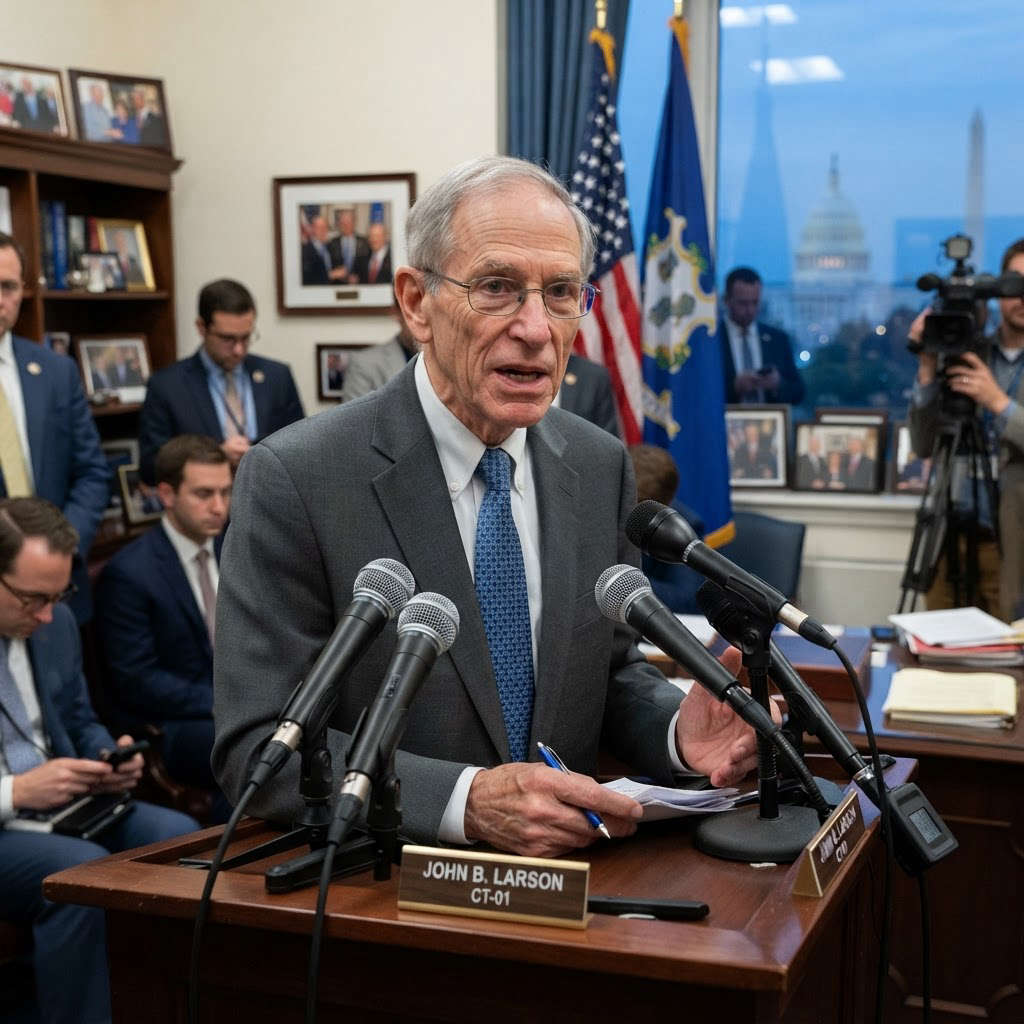
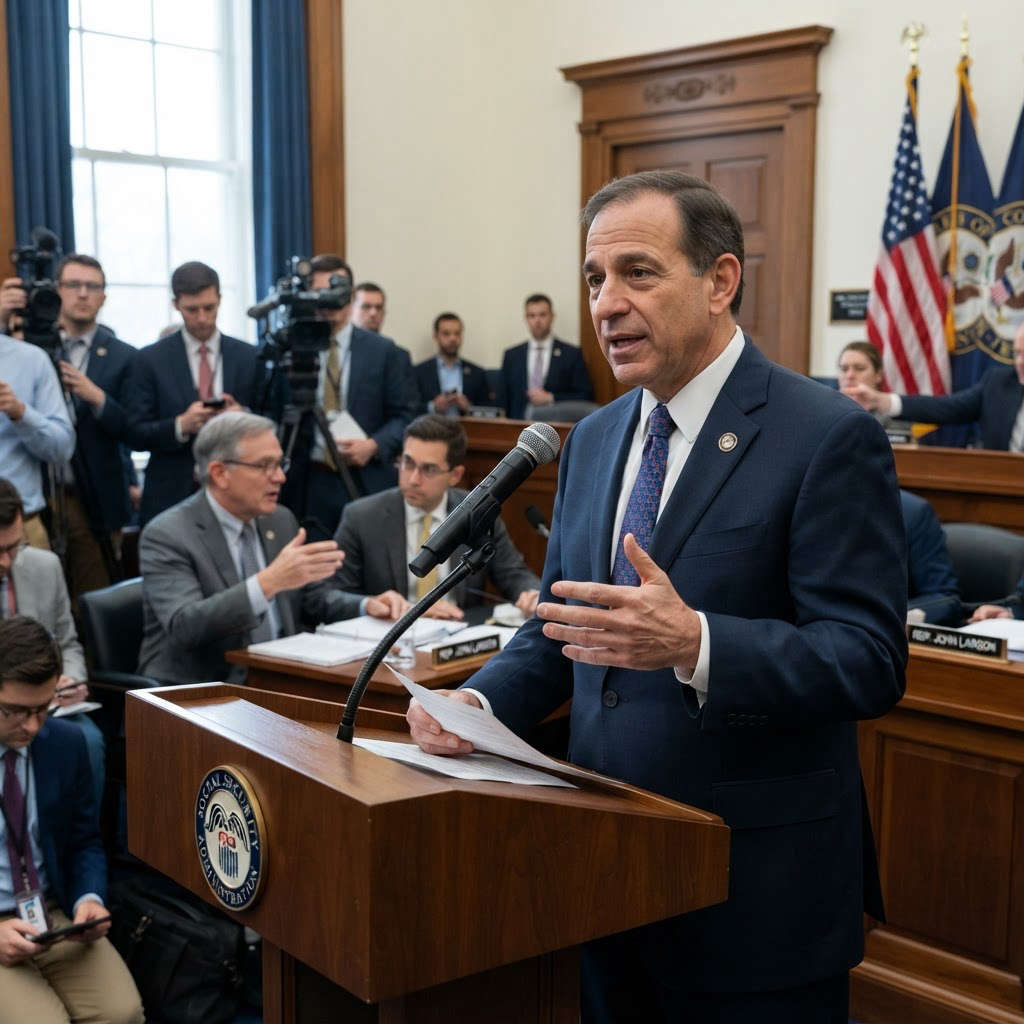
The Social Security Administration has officially confirmed a 3.6% cost-of-living adjustment (COLA) for 2027 to account for recent inflation trends. This adjustment is set to increase the average monthly retirement benefit by approximately $75, with spousal benefits rising by an average of $35. The increase will take effect in January 2027 for all eligible Social Security recipients. This policy change aims to maintain the purchasing power of beneficiaries against rising consumer costs.
Why This Matters to the United States
This adjustment directly impacts the financial stability of millions of American retirees and disabled individuals, influencing national consumer spending and the federal budget.
The primary actor is the Social Security Administration (SSA), which is responsible for calculating and distributing benefits. The beneficiaries include millions of American retirees, disabled individuals, and their dependents. The policy is overseen by the executive branch and is subject to oversight by the U.S. Congress.
The SSA has confirmed a 3.6% cost-of-living adjustment (COLA) for 2027. This adjustment is designed to ensure that the purchasing power of Social Security benefits is not eroded by inflation. The increase applies to retirement, disability, and spousal benefits, with the average retiree expected to see an increase of approximately $75 per month.
This policy affects all 50 states, the District of Columbia, and U.S. territories. The administration of these benefits is centralized through the SSA's national network of field offices and digital infrastructure.
The adjustment was confirmed in early November 2026, following the analysis of inflation data. The new benefit amounts will take effect in January 2027. Beneficiaries are expected to receive official notices regarding their specific adjustments in the weeks leading up to the new year.
The COLA is mandated by law to ensure that Social Security benefits keep pace with the rising cost of goods and services, as measured by the Consumer Price Index for Urban Wage Earners and Clerical Workers (CPI-W). The 3.6% figure reflects the observed inflation trends over the preceding year, aiming to maintain the standard of living for those on fixed incomes.
The SSA calculates the COLA by comparing the average CPI-W for the third quarter of the current year to the average CPI-W for the third quarter of the previous year. If there is an increase, the percentage difference is applied to the benefit amounts for the following year. This process is automated and governed by the Social Security Act, ensuring that adjustments are made consistently without the need for annual congressional intervention.
This adjustment is critical for the financial security of a significant portion of the U.S. population. It serves as a primary defense against the erosion of savings and income due to inflation, directly impacting the ability of seniors to afford basic necessities like food, housing, and healthcare.
Beneficiaries will receive personalized notices detailing their new benefit amounts. The SSA will begin processing the adjusted payments in January 2027. Economists will monitor the impact of this increase on consumer spending and broader inflation metrics.
Key Unknowns
It remains to be seen how the 3.6% increase will interact with future healthcare cost inflation, which often exceeds the general CPI. Additionally, the long-term fiscal impact on the Social Security Trust Fund remains a subject of ongoing debate in Congress.
Watch for official communications from the SSA regarding the specific timing of benefit distributions and any potential legislative proposals aimed at addressing the long-term solvency of the Social Security program in the upcoming session of Congress.
Federal Budget & Debt
Treasury Department Reports Fiscal Year 2026 Deficit of $1.99 Trillion
Summary
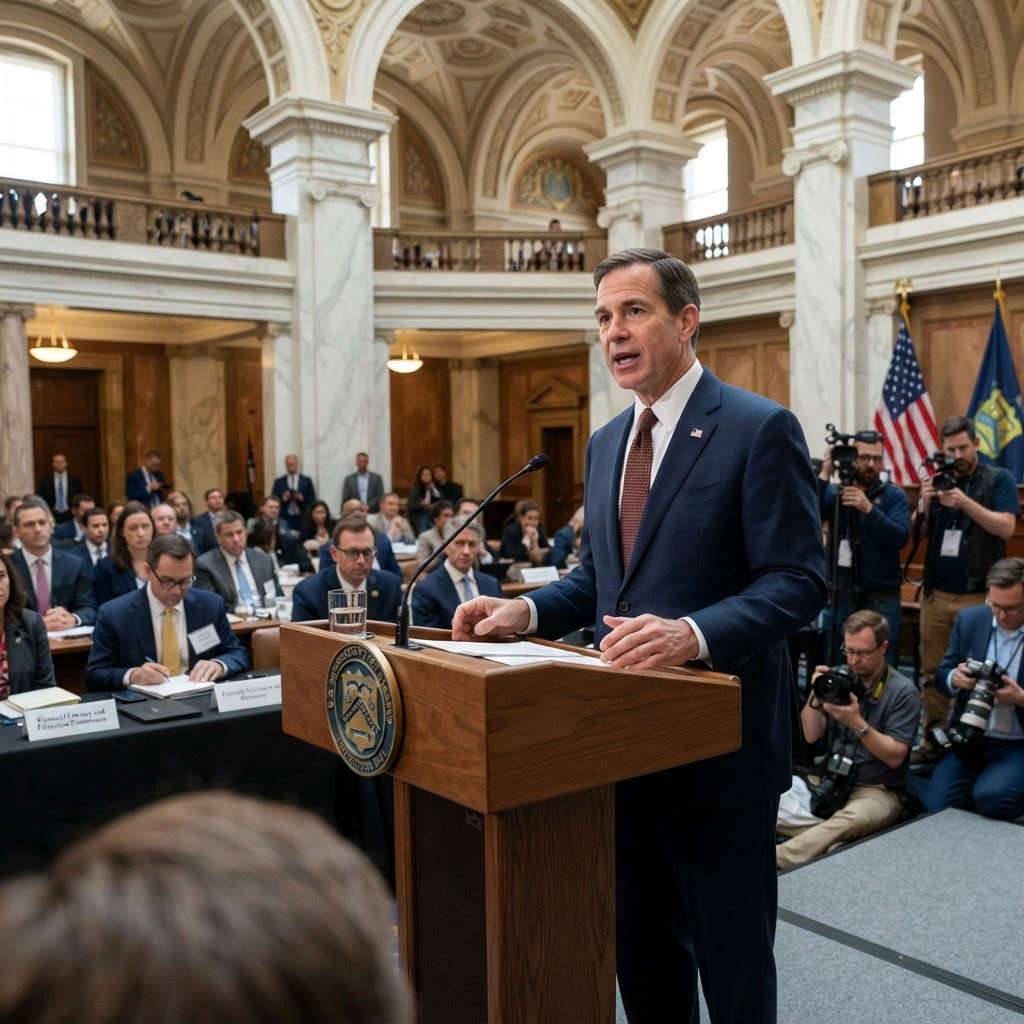
The U.S. Treasury Department reported that the federal budget deficit for fiscal year 2026 totaled $1.99 trillion, an increase of $217 billion from the previous fiscal year. Federal revenues rose by 3 percent to a record $5.4 trillion, while total outlays increased by 6 percent to $7.4 trillion, driven by spending on net interest, major benefit programs, and defense. The national debt surpassed the $40 trillion milestone during the fiscal year.
Why This Matters to the United States
The $2 trillion deficit directly impacts the U.S. economy by increasing the national debt burden, which necessitates higher interest payments and potentially limits future fiscal flexibility for national security and social programs.
The key institutions involved are the Congressional Budget Office (CBO), which provides nonpartisan budget analysis, and the U.S. Department of the Treasury, which manages federal debt and cash flow. Maya MacGuineas, president of the Committee for a Responsible Federal Budget (CRFB), has been a prominent voice calling for fiscal reform. Members of the 119th Congress are the primary decision-makers responsible for addressing the debt limit and fiscal policy.
The federal government recorded a $2 trillion deficit for fiscal year 2026, an increase of $218 billion over the previous year. This deficit is driven by a 6 percent increase in outlays, which outpaced a 3 percent growth in revenues. The gross national debt has surpassed the $40 trillion milestone, and interest payments on the debt now exceed the total national defense budget.
The fiscal situation affects the entire United States, as federal borrowing influences interest rates for mortgages, car loans, and business investment nationwide. The jurisdiction for these fiscal decisions lies within the federal government in Washington, D.C.
The fiscal year 2026 concluded on September 30, 2026. The CBO released its final estimates in early October 2026. Projections indicate that the U.S. will likely reach the statutory debt limit in early to mid-2027, necessitating congressional action to avoid a default or the implementation of extraordinary measures.
The deficit is attributed to a combination of rising mandatory spending, increased interest costs on the national debt, and higher defense expenditures. Policymakers face a conflict between the need to fund government operations and the long-term necessity of maintaining fiscal sustainability. The current trajectory is described by analysts as unsustainable, with trust funds for Social Security and Medicare facing insolvency within the next decade.
The government funds its operations through tax revenue and the issuance of Treasury securities. When spending exceeds revenue, the Treasury borrows the difference, increasing the national debt. The statutory debt limit acts as a legal cap on this borrowing, which Congress must periodically raise or suspend. The current fiscal environment is characterized by high interest rates, which increase the cost of servicing this debt, creating a feedback loop that further complicates budget management.
The $2 trillion deficit is a significant indicator of the nation's fiscal health. It highlights the growing burden of interest payments and the looming insolvency of major entitlement programs, which could have profound consequences for the U.S. economy and the social safety net.
Congress will face pressure to address the debt limit in 2027. Policymakers will likely debate various fiscal goals, such as reducing the deficit to 3% of GDP, and may consider reforms to entitlement programs to restore their solvency.
Key Unknowns
It is unclear whether Congress will reach a bipartisan consensus on fiscal reform or if the issue will lead to significant political gridlock. The impact of future economic growth on revenue collection and the potential for further interest rate volatility remain key variables.
Watch for upcoming CBO reports on the long-term budget outlook and any legislative proposals introduced in the new Congress aimed at addressing the deficit and trust fund solvency.
New Documentary Challenges Authenticity of Iconic 1967 Patterson-Gimlin Bigfoot Film
Filmmaker Marq Evans released a documentary titled "Capturing Bigfoot" on October 20, 2026, which examines the 1967 Patterson-Gimlin film. The documentary features previously unreleased 16mm footage discovered in a private collection, which the filmmakers and some observers suggest provides evidence that the original film may have been staged. The documentary has prompted renewed discussion among researchers regarding the authenticity of the 1967 footage, which has long been considered a significant piece of media in the study of cryptids.

Coups & Political Upheaval
Over 7,000 Displaced in Northern Mozambique Amid Escalating Insurgent Violence

Summary
The International Organization for Migration reports that over 7,000 people have been displaced in Mozambique's Cabo Delgado province since late September due to violence involving non-state armed groups. Approximately 80 percent of these individuals are women and children, many of whom are seeking refuge in host communities. Humanitarian agencies have identified urgent needs for food, shelter, and healthcare for the affected population. This displacement occurs within the context of ongoing regional instability.
Why This Matters to the United States
This is an international affair with potential multinational effects. The ongoing instability in Mozambique threatens regional security in Southern Africa and complicates international investment in critical energy infrastructure, which is of strategic interest to the United States.
The primary actors involved in the current crisis include the Mozambican government led by President Daniel Chapo and the ruling FRELIMO party, which has faced significant opposition since the disputed 2024 general elections. The opposition is largely represented by Venâncio Mondlane and the Podemos party, who continue to contest the election results. On the ground, the violence is driven by non-state armed groups (often referred to as insurgents) operating in the northern province of Cabo Delgado. International organizations, specifically the International Organization for Migration (IOM) and UNICEF, are actively monitoring the humanitarian impact and providing aid to the displaced.
More than 7,000 people have been forced to flee their homes in Cabo Delgado since late September 2026 due to a surge in violence. This displacement is part of a broader, long-standing conflict in the region that has been exacerbated by political instability following the 2024 presidential election. The violence involves attacks on civilians, leading to significant humanitarian needs, including food, shelter, and healthcare. The situation is compounded by the fact that many of the displaced are moving into communities already struggling with the effects of previous years of conflict.
The crisis is concentrated in the Cabo Delgado province of northern Mozambique. This region is strategically significant due to its vast natural gas reserves and ongoing international energy projects. The unrest also has a national dimension, with political protests frequently occurring in major urban centers like Maputo.
The current wave of displacement began in late September 2026. The broader political crisis dates back to the October 9, 2024, general elections, which were followed by months of nationwide protests and allegations of systemic electoral fraud. The insurgency in the north has been ongoing for several years, with periodic escalations.
The motivations for the violence are multifaceted. While the insurgency in the north has its own roots in local grievances and extremist ideology, the current instability is deeply linked to the disputed 2024 election results. Opposition leader Venâncio Mondlane has consistently challenged the legitimacy of President Chapo’s victory, leading to widespread civil unrest. Furthermore, the region suffers from deep-seated socioeconomic disparities, which insurgents exploit to recruit disillusioned youth. The government’s heavy-handed response to protests has further eroded public trust and fueled the cycle of violence.
The government maintains control through the state apparatus, which critics argue has been used to manipulate electoral processes and suppress dissent. The insurgency operates through asymmetric warfare, including attacks on villages and infrastructure. Humanitarian aid is delivered through international agencies like the IOM, which work to provide basic necessities to the displaced. The situation remains highly volatile, with the government attempting to balance an 'Inclusive National Dialogue' with the need to maintain security in the face of persistent insurgent threats and political opposition.

Social Security & Medicare
Social Security Administration Finalizes 2027 Earnings Limits and Taxable Maximums
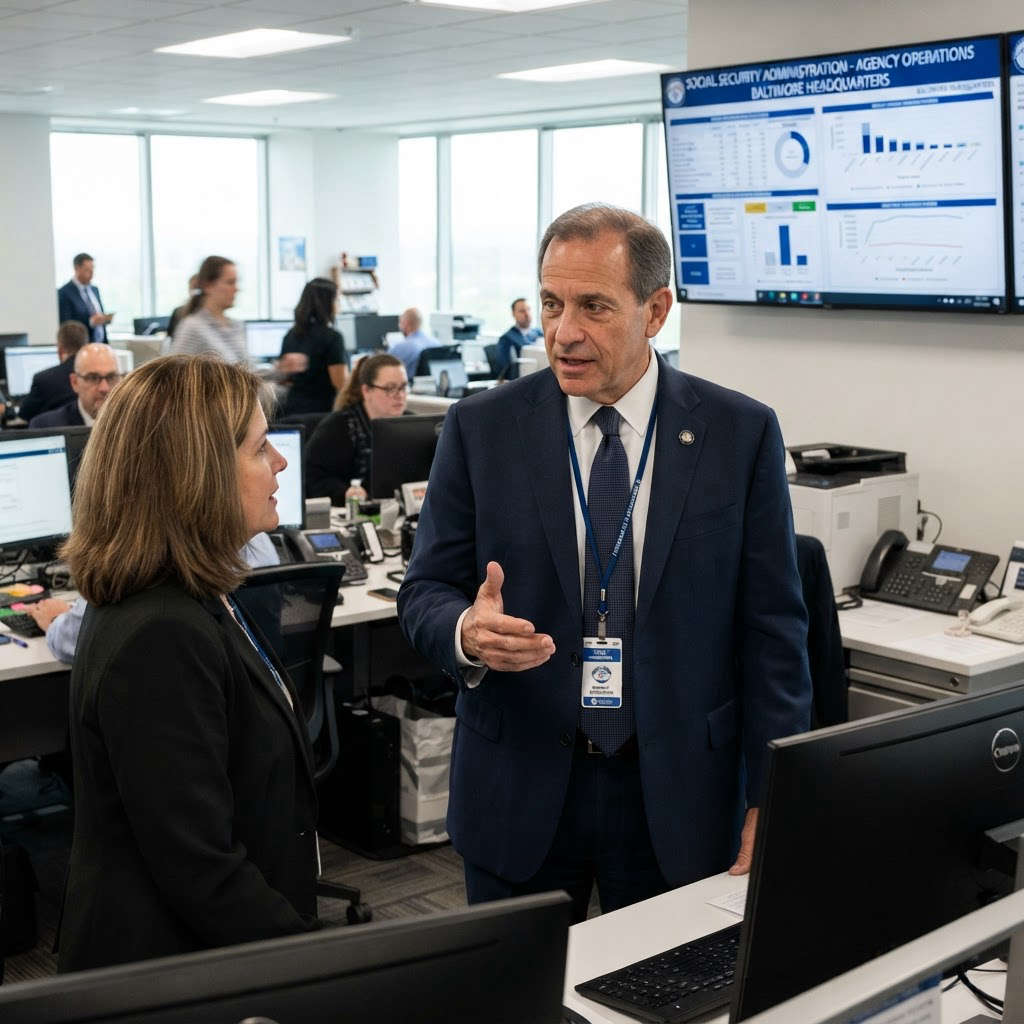
The Social Security Administration has officially confirmed the updated earnings thresholds and taxable maximums for the 2027 calendar year. The maximum amount of earnings subject to Social Security tax will rise to $192,300, while the earnings limit for individuals reaching full retirement age in 2027 is set at $67,920. These adjustments are part of the annual regulatory update process to account for national wage growth and inflation. Beneficiaries are encouraged to review their specific benefit adjustments through the official online portal.
Why This Matters to the United States
These adjustments directly impact the financial planning of millions of American retirees and the tax obligations of the workforce, influencing national economic stability and individual household budgets.
The primary actors involved are the Social Security Administration (SSA), which manages the benefit programs, and the Centers for Medicare and Medicaid Services (CMS), which oversees the healthcare premiums that often offset COLA increases. Additionally, the Internal Revenue Service (IRS) plays a role in defining the tax limitations on retirement contributions.
The SSA has finalized the 2027 earnings limits and taxable maximums. The taxable maximum, which is the ceiling on earnings subject to the 6.2% Social Security payroll tax, will increase to $192,300. Furthermore, the earnings limit for those reaching full retirement age in 2027 is set at $67,920, a threshold above which benefits are temporarily reduced.
These regulations apply nationwide across all 50 states and U.S. territories, affecting every American worker and Social Security beneficiary regardless of their state of residence.
The adjustments are effective for the 2027 calendar year. The SSA typically releases these figures in the fourth quarter of the preceding year to allow for payroll system updates and individual financial planning.
The adjustments are mandated by law to ensure that the Social Security program remains responsive to changes in the national average wage index and the broader cost of living. By adjusting these thresholds, the government aims to maintain the program's funding levels and ensure that benefits remain meaningful for retirees.
The SSA uses the National Average Wage Index to calculate the taxable maximum and the earnings limits. These calculations are performed annually based on data from the previous year, ensuring that the program's parameters evolve in tandem with the U.S. economy. The process is strictly governed by the Social Security Act, which provides the legal framework for these automatic adjustments.
These figures are critical for the financial stability of the Social Security system and the personal financial planning of millions of Americans. They determine how much tax workers pay and how much income retirees can earn without impacting their benefits.
Employers will update their payroll systems to reflect the new $192,300 taxable maximum by January 1, 2027. Beneficiaries will receive personalized notices regarding their 2027 benefit amounts through the SSA's online portal.
Key Unknowns
The exact impact of Medicare Part B premium increases on the net benefit amount remains a key variable for many retirees, as these premiums are often deducted directly from Social Security checks.
Watch for official announcements from the CMS regarding 2027 Medicare premiums, as these will provide the final picture of the net financial impact on Social Security beneficiaries.



Cookie Notice
18+ BETAWe use cookies to keep you signed in, remember your preferences, and run the in-app ad system that keeps Universe One free. We do not sell your data. Ads run whether or not you accept, and the only way to remove them is the Ad-Free Subscription.
You must be 18 or older to create an account during Beta testing.