Military Operations & Deployments


The U.S. military executed limited strikes on Iran's Qeshm Island in the Strait of Hormuz on November 2, 2026, in response to Iranian surface-to-air missile threats against U.S. assets. Officials characterized the operation as a defensive measure rather than a resumption of major combat operations. The action occurred amid ongoing diplomatic efforts to stabilize the region and prevent a return to full-scale conflict. Iran has since labeled the U.S. response to its conditions for reopening the strait as unconvincing.
Why This Matters to the United States
These strikes directly impact U.S. national security and global energy markets by attempting to secure the Strait of Hormuz, a critical maritime chokepoint for oil exports. The military action also influences domestic political sentiment and diplomatic negotiations regarding the ongoing conflict with Iran.
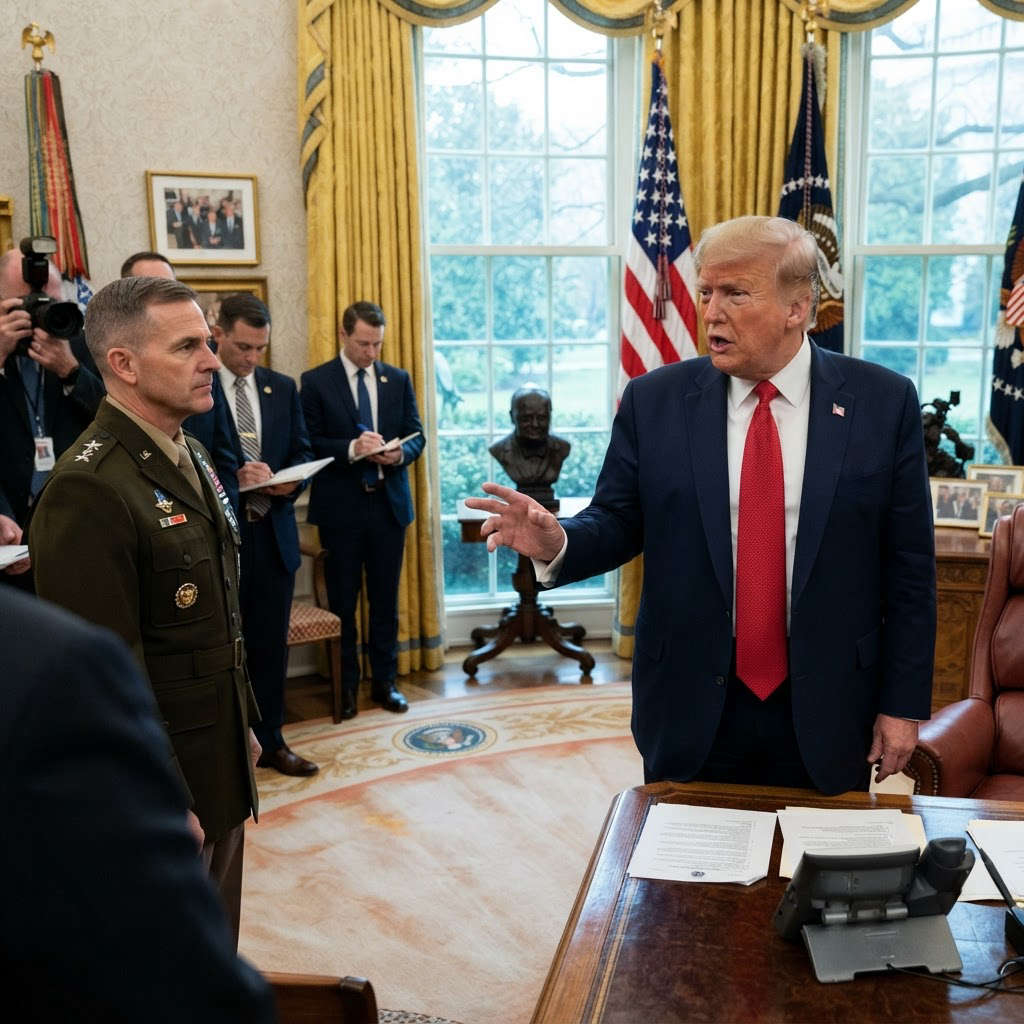
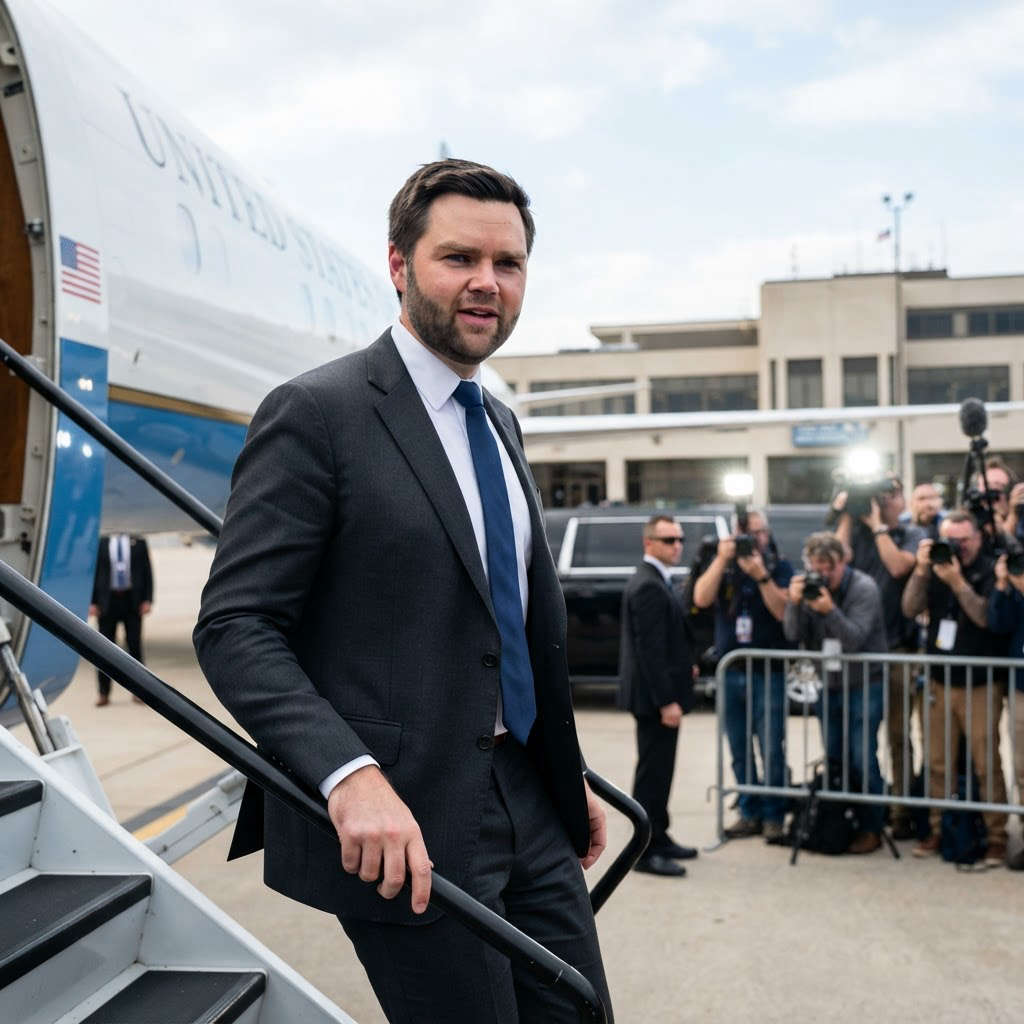
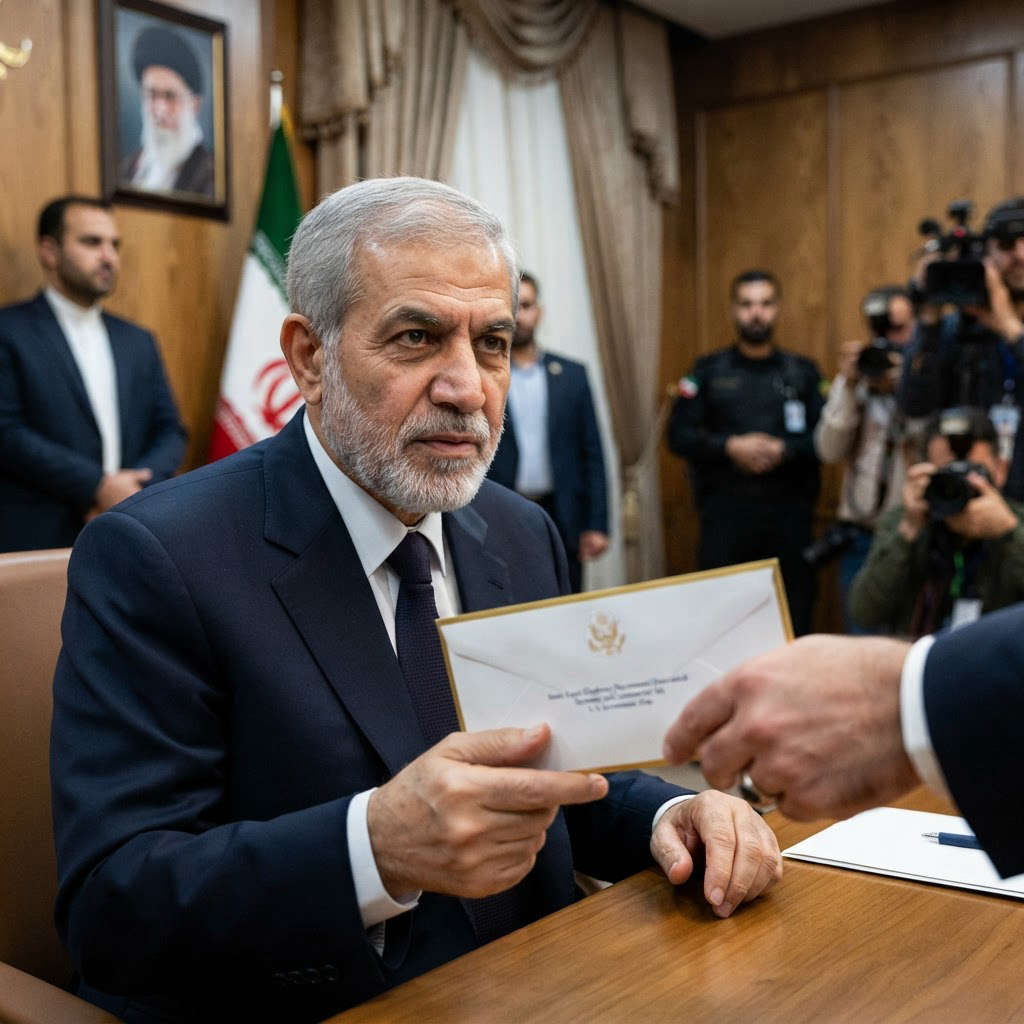
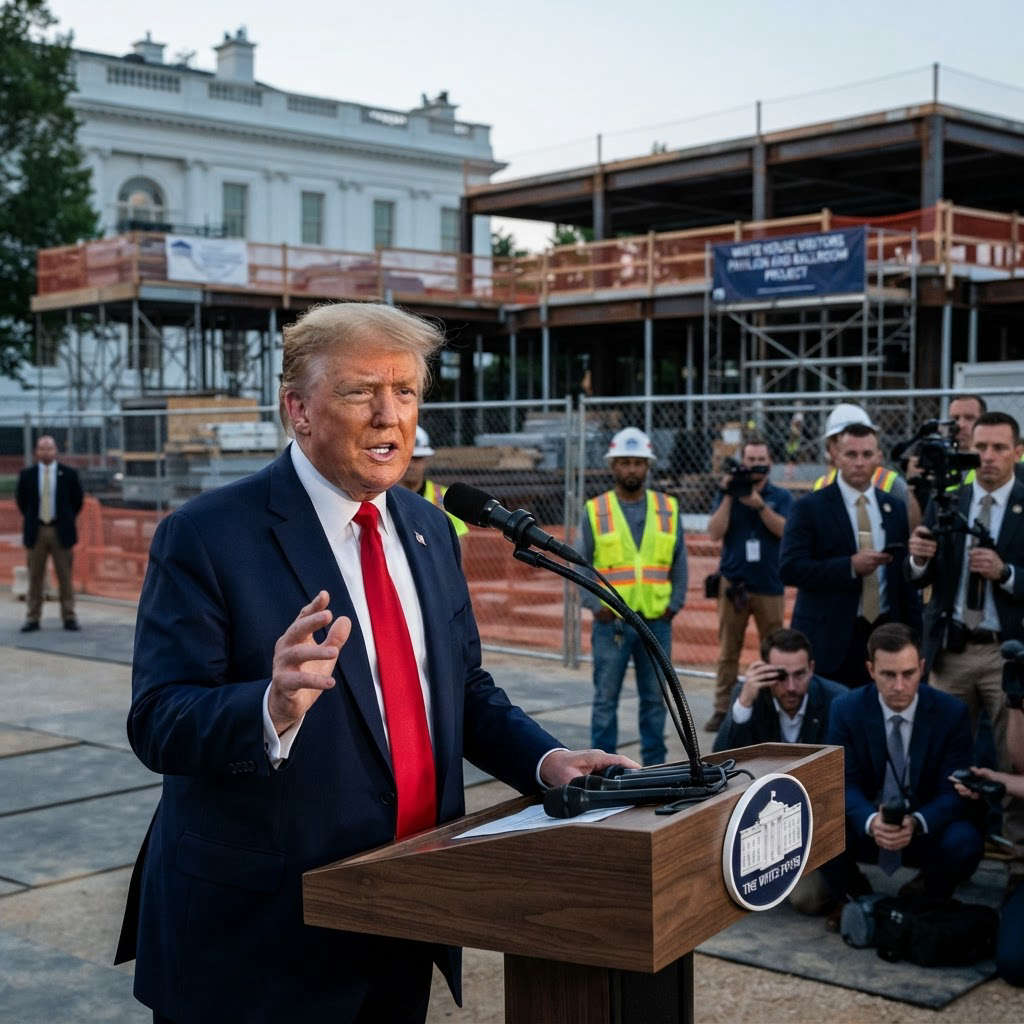
The primary actors involved in this development are the United States military, specifically the forces operating in the Strait of Hormuz, and the Islamic Revolutionary Guard Corps (IRGC) of Iran. Key political figures include President Donald Trump, who has confirmed the strikes, and Vice President JD Vance, who has been actively seeking a negotiated settlement. Iranian officials, including parliament speaker Mohammad Bagher Ghalibaf, are also central to the ongoing diplomatic and military standoff.
The U.S. military conducted limited, defensive strikes on Qeshm Island, an Iranian territory located in the strategic Strait of Hormuz. The strikes were reportedly a response to Iranian use of surface-to-air missiles against U.S. assets. The operation was described by U.S. officials as a small-scale measure intended to deter further aggression rather than a resumption of major combat operations. Simultaneously, the U.S. is reinforcing its presence in the region with a third aircraft carrier and additional troops.
The events are centered on Qeshm Island and the surrounding waters of the Strait of Hormuz, a critical maritime chokepoint for global oil transit. The region has been a focal point of U.S.-Iran tensions for months, with both nations maintaining a significant military presence in the area.
The strikes occurred on Monday, November 2, 2026, just hours before the U.S. midterm elections. This timing has heightened concerns about the political implications of the military action. The conflict itself has been ongoing for several months, with a previous preliminary agreement to end the war collapsing in June.
The stated reason for the strikes is self-defense against Iranian efforts to target maritime shipping and U.S. assets. The U.S. maintains that it must protect the freedom of navigation in the Strait of Hormuz. Iran, conversely, has expressed dissatisfaction with the U.S. response to its conditions for reopening the strait, labeling it 'unconvincing' and demanding that the U.S. address its seven conditions.
The U.S. utilized its military assets to conduct targeted strikes on specific Iranian facilities on Qeshm Island. The operation was executed under the authority of the U.S. military's defensive mandate to protect its assets and ensure the security of international shipping lanes. The U.S. is also employing diplomatic channels, with Vice President Vance leading efforts to reach a negotiated settlement, while simultaneously using military force as a deterrent.
The A24 documentary 'You Can See Everything,' directed by Nathan Fielder and Lance Oppenheim, claimed the top spot at the domestic box office over the Halloween weekend. The film earned $10.6 million in its third weekend, bringing its total domestic gross to $63.9 million against a $7 million budget. It narrowly outperformed the DC Studios release 'Clayface,' which finished with $10.4 million.

Military Operations & Deployments


The U.S. military executed limited strikes on Iran's Qeshm Island in the Strait of Hormuz on November 2, 2026, in response to Iranian surface-to-air missile threats against U.S. assets. Officials characterized the operation as a defensive measure rather than a resumption of major combat operations. The action occurred amid ongoing diplomatic efforts to stabilize the region and prevent a return to full-scale conflict. Iran has since labeled the U.S. response to its conditions for reopening the strait as unconvincing.
Why This Matters to the United States
These strikes directly impact U.S. national security and global energy markets by attempting to secure the Strait of Hormuz, a critical maritime chokepoint for oil exports. The military action also influences domestic political sentiment and diplomatic negotiations regarding the ongoing conflict with Iran.
The primary actors involved in this development are the United States military, specifically the forces operating in the Strait of Hormuz, and the Islamic Revolutionary Guard Corps (IRGC) of Iran. Key political figures include President Donald Trump, who has confirmed the strikes, and Vice President JD Vance, who has been actively seeking a negotiated settlement. Iranian officials, including parliament speaker Mohammad Bagher Ghalibaf, are also central to the ongoing diplomatic and military standoff.
The U.S. military conducted limited, defensive strikes on Qeshm Island, an Iranian territory located in the strategic Strait of Hormuz. The strikes were reportedly a response to Iranian use of surface-to-air missiles against U.S. assets. The operation was described by U.S. officials as a small-scale measure intended to deter further aggression rather than a resumption of major combat operations. Simultaneously, the U.S. is reinforcing its presence in the region with a third aircraft carrier and additional troops.
The events are centered on Qeshm Island and the surrounding waters of the Strait of Hormuz, a critical maritime chokepoint for global oil transit. The region has been a focal point of U.S.-Iran tensions for months, with both nations maintaining a significant military presence in the area.
The strikes occurred on Monday, November 2, 2026, just hours before the U.S. midterm elections. This timing has heightened concerns about the political implications of the military action. The conflict itself has been ongoing for several months, with a previous preliminary agreement to end the war collapsing in June.
The stated reason for the strikes is self-defense against Iranian efforts to target maritime shipping and U.S. assets. The U.S. maintains that it must protect the freedom of navigation in the Strait of Hormuz. Iran, conversely, has expressed dissatisfaction with the U.S. response to its conditions for reopening the strait, labeling it 'unconvincing' and demanding that the U.S. address its seven conditions.
The U.S. utilized its military assets to conduct targeted strikes on specific Iranian facilities on Qeshm Island. The operation was executed under the authority of the U.S. military's defensive mandate to protect its assets and ensure the security of international shipping lanes. The U.S. is also employing diplomatic channels, with Vice President Vance leading efforts to reach a negotiated settlement, while simultaneously using military force as a deterrent.
Defense & Pentagon

The United States is preparing to request that NATO allies increase financial contributions to the Prioritized Ukraine Requirements List (PURL) program to cover a $2 billion funding gap for previously approved weapons packages. Despite political tensions between the Trump and Zelensky administrations, the Pentagon has continued to deliver military equipment to Kyiv in advance of receiving allied payments. This funding shortfall risks growing if the Department of Defense authorizes further shipments to Ukraine. The initiative remains a central component of NATO's strategy to sustain Ukrainian defense capabilities against ongoing Russian aggression.
Why This Matters to the United States
This initiative directly impacts US national security interests by maintaining Ukrainian defensive capacity while managing the financial burden of military aid through burden-sharing with NATO allies. It reflects the administration's complex approach to balancing foreign policy objectives with domestic political constraints.
The key actors involved in this development include the United States Department of Defense, the State Department, and NATO member states. The PURL (Prioritized Ukraine Requirements List) program is the primary mechanism for coordinating these efforts. The Trump administration and the Ukrainian government under President Volodymyr Zelensky are central to the political context, with their relationship influencing the willingness of European allies to commit further funds.
The US is planning to request that NATO allies increase their financial contributions to the PURL program to address a $2 billion funding shortfall for already approved weapons packages. This program allows allies to pay for US-manufactured weapons that are subsequently delivered to Ukraine. Despite the shortfall, the US has continued to deliver equipment, creating a financial gap that the Pentagon seeks to close through renewed diplomatic pressure on allies.
The program operates globally, with funding originating from various NATO member states and equipment being manufactured in the United States and delivered to Ukraine. The coordination of these efforts is managed through the NATO Security Assistance and Training for Ukraine (NSATU) and the US Military Group-Ukraine (USMILGRP-Ukraine) based in Kyiv.
The request for additional funding is expected to be made as early as November 2026. The Patriot missile sale approved on October 30, 2026, highlights the ongoing nature of these commitments, though deliveries for such systems are not expected until the early 2030s, illustrating the long-term nature of the procurement cycle.
The primary motivation is to sustain Ukraine's defensive capabilities against Russian aggression while managing the financial burden of the conflict. The US seeks to ensure that the cost of supporting Ukraine is shared among NATO allies. However, political tensions and the disparity between US rhetoric and actual military support have created confusion and hesitation among European partners, some of whom are facing their own domestic political challenges and elections.
The PURL program functions by directing allied funds toward the purchase of US military equipment. The US government acts as the intermediary, often delivering the equipment before the funds are fully transferred. This mechanism relies on the trust and political will of NATO members to fulfill their financial pledges. The process is subject to Congressional review and oversight, ensuring that all foreign military sales comply with US law and strategic objectives.
This development is critical because it tests the resilience of the transatlantic alliance and the sustainability of the current model for supporting Ukraine. If the funding gap is not addressed, it could force the US to either bear the full cost of the aid or reduce the flow of weapons, both of which carry significant geopolitical risks.
The administration will likely initiate high-level diplomatic discussions with NATO counterparts throughout November to secure the necessary commitments. The success of these negotiations will determine the pace of future weapons deliveries and the overall effectiveness of the PURL program.
It remains unclear how much additional funding the US will specifically request from each ally and whether those allies will be willing to increase their contributions given their own domestic economic and political pressures.
Watch for official statements from the Pentagon and the State Department regarding the outcome of these diplomatic efforts and any potential changes to the PURL program's operational structure.

We use cookies to keep you signed in, remember your preferences, and run the in-app ad system that keeps Universe One free. We do not sell your data. Ads run whether or not you accept, and the only way to remove them is the Ad-Free Subscription.
You must be 18 or older to create an account during Beta testing.