Big Tech Regulation & Antitrust
Federal Court Mandates Behavioral Remedies for Google Ad Tech Monopoly
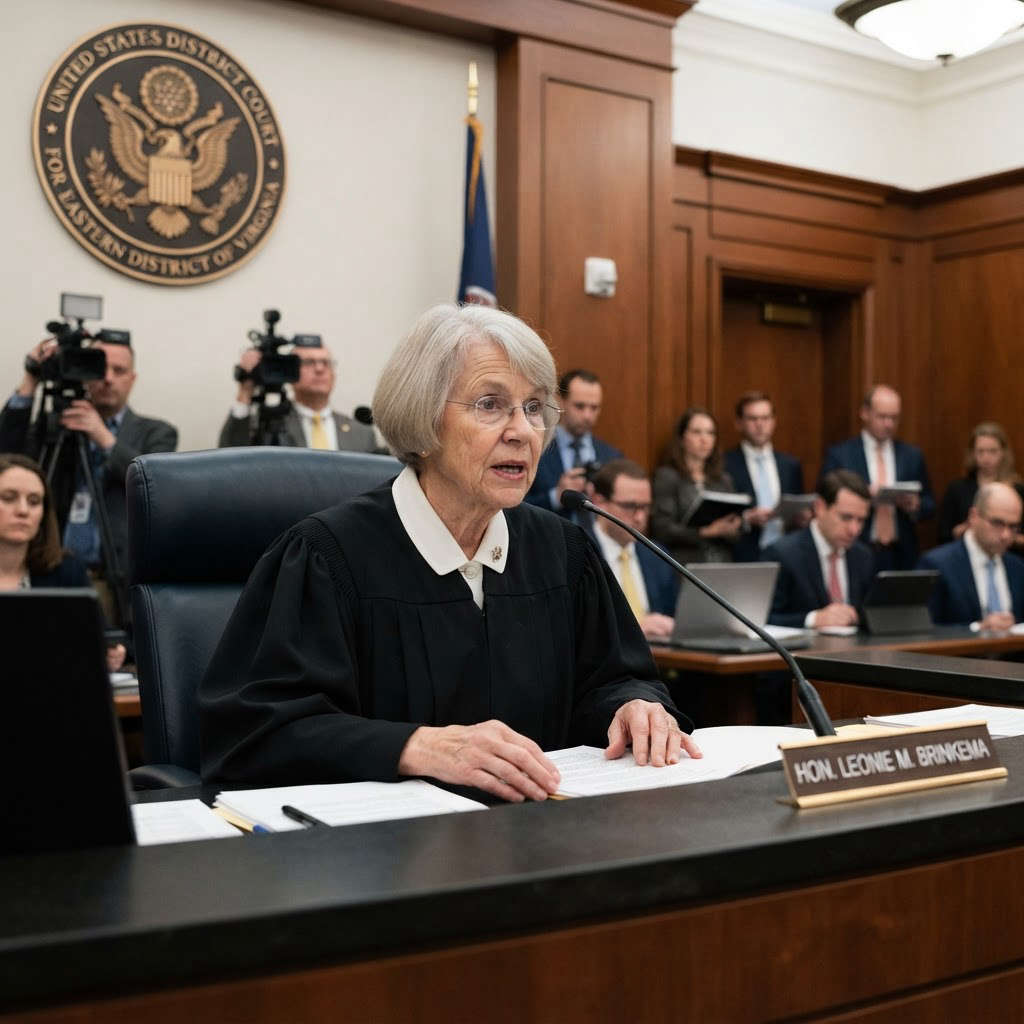
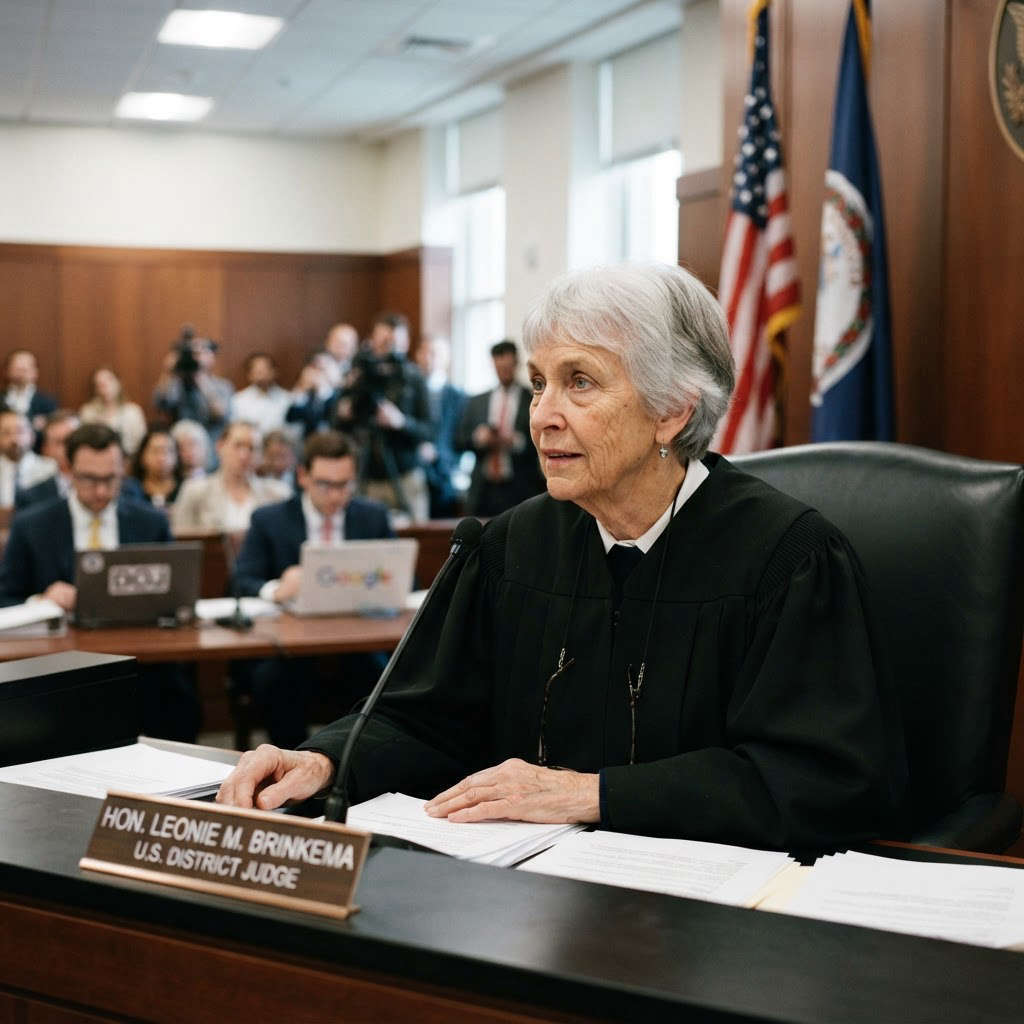
Following a ruling that Google illegally maintained a monopoly in advertising technology, U.S. District Judge Leonie M. Brinkema has ordered the company to implement behavioral changes rather than a structural breakup. The court-mandated remedies require Google to ensure its AdX exchange is interoperable with rival ad servers and to share auction data with publishers. While the Department of Justice had sought a divestiture of the ad tech business, the court determined that behavioral commitments were sufficient to address the identified anticompetitive conduct. Both the government and Google continue to review the final judgment as the legal process concludes.
Why This Matters to the United States
This ruling directly impacts the digital advertising market, which is a critical component of the U.S. economy, affecting how publishers, advertisers, and consumers interact online. It sets a significant precedent for how federal courts handle antitrust enforcement against major technology platforms.
The primary actors involved in this case are the U.S. Department of Justice (DOJ), which initiated the antitrust lawsuit, and Google (Alphabet Inc.), the defendant. The case was presided over by U.S. District Judge Leonie M. Brinkema in the Eastern District of Virginia. Various state Attorneys General have also been involved in related investigations and litigation regarding Google's advertising technology practices.
The case centers on allegations that Google illegally maintained a monopoly in the market for advertising technology (ad tech). The DOJ argued that Google used its dominance in publisher ad servers and ad exchanges to manipulate auctions and disadvantage competitors. Following a finding of liability, the court ordered behavioral remedies rather than the structural divestiture (breakup) of the company's ad tech business. These remedies include requirements for interoperability with rival ad servers and the sharing of auction data with publishers.
The legal proceedings took place in the U.S. District Court for the Eastern District of Virginia, a jurisdiction known for its efficient handling of complex litigation. The impact of the ruling is national and global, as Google's ad tech platform is used by publishers and advertisers worldwide.
The DOJ filed its lawsuit against Google regarding its ad tech business in 2023. The court found Google guilty of operating a monopoly in 2024. The remedies phase concluded in late 2026, with the final judgment unsealed in September 2026. Ongoing monitoring and compliance efforts are expected to continue for several years.
The DOJ's motivation was to restore competition in the digital advertising market, which it argued was distorted by Google's anticompetitive conduct, such as tying its publisher ad server (DFP) to its ad exchange (AdX) and using auction manipulation tactics like unified pricing rules. Google argued that its practices were pro-competitive and that a breakup would be an extreme, unnecessary measure that would harm the efficiency of the digital advertising ecosystem. Judge Brinkema concluded that behavioral remedies were sufficient to address the harm and that a breakup was not a realistic or needed solution.
The court's decision relies on behavioral remedies, which are conditions imposed on a company's business practices to prevent anticompetitive behavior. These include mandating that Google's AdX exchange accept bid requests from non-Google publisher ad servers on the same terms as its own, and prohibiting the use of auction manipulation tactics. The court rejected the DOJ's request for structural relief, which would have required Google to sell off parts of its ad tech business. The enforcement of these remedies will likely involve ongoing oversight by the court or a court-appointed monitor.
This case is a landmark in U.S. antitrust enforcement, representing a significant attempt to curb the power of a major technology platform. It highlights the ongoing debate over whether behavioral remedies are sufficient to address the dominance of tech giants or if structural breakups are necessary. The outcome will influence future antitrust cases against other large technology companies.
Google is expected to comply with the court-ordered behavioral remedies, though it may continue to appeal the original verdict. The DOJ will monitor Google's compliance and may seek further action if the company fails to adhere to the court's requirements. The legal and regulatory landscape for Big Tech will continue to evolve as these cases proceed.
Key Unknowns
It remains unclear how effective these behavioral remedies will be in practice and whether they will truly restore competition in the ad tech market. The long-term impact on advertising prices and publisher revenue is also uncertain.
Watch for future reports on Google's compliance with the court's orders and any further legal challenges from either the DOJ or Google. Additionally, monitor how other antitrust cases against Big Tech companies, such as those involving search and app stores, are resolved, as they may provide further insight into the government's approach to regulating these platforms.
Webcam Captures Lights Near Mexico's Popocatépetl Volcano
A live webcam monitoring the Popocatépetl volcano in Mexico recorded a series of lights near the crater on the evening of November 2, 2026. The footage shows multiple luminous points moving in the sky before disappearing from the camera's field of view. The origin of the lights remains unidentified, with observers and social media users discussing various possibilities including space debris, atmospheric phenomena, or technical anomalies. No official explanation has been provided by aviation or meteorological authorities as of November 5, 2026.

Cookie Notice
18+ BETAWe use cookies to keep you signed in, remember your preferences, and run the in-app ad system that keeps Universe One free. We do not sell your data. Ads run whether or not you accept, and the only way to remove them is the Ad-Free Subscription.
You must be 18 or older to create an account during Beta testing.