Military Operations & Deployments
U.S. Military Conducts Defensive Strikes on Iran's Qeshm Island
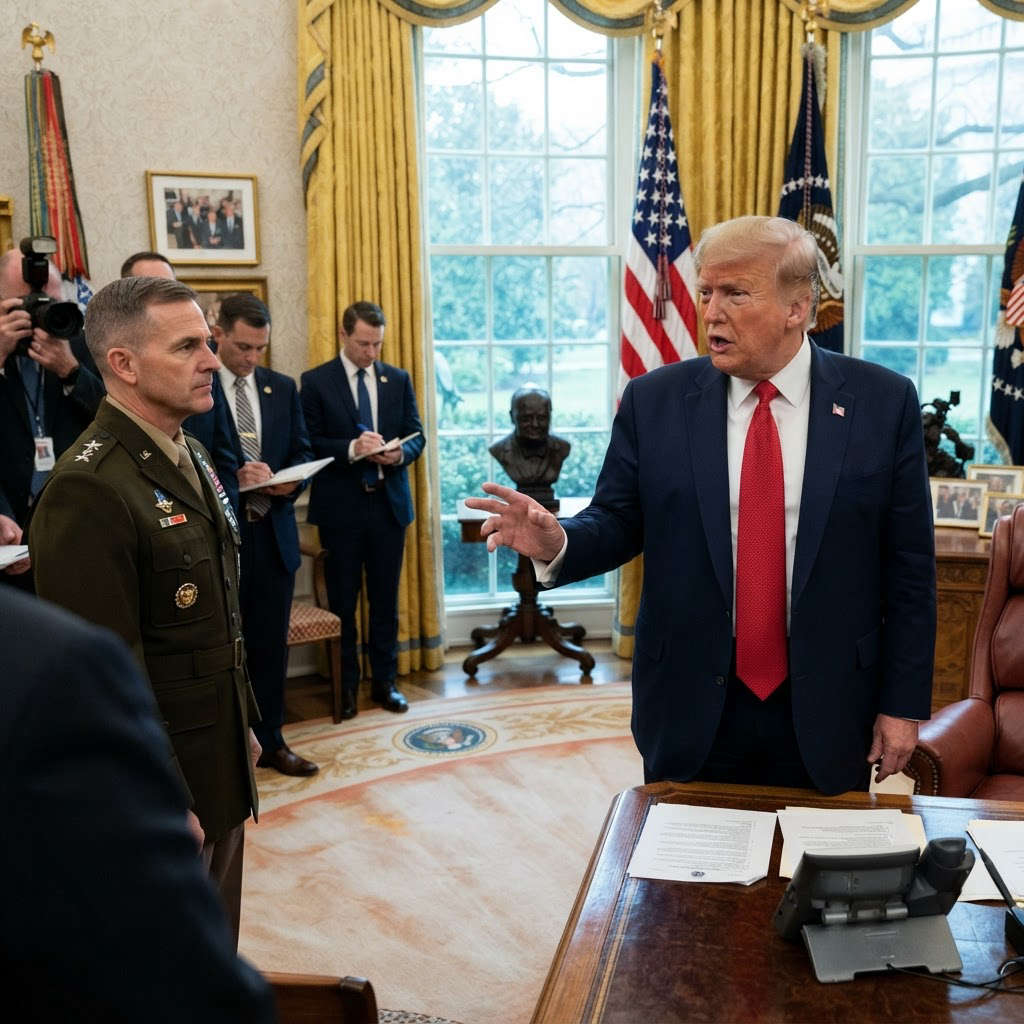
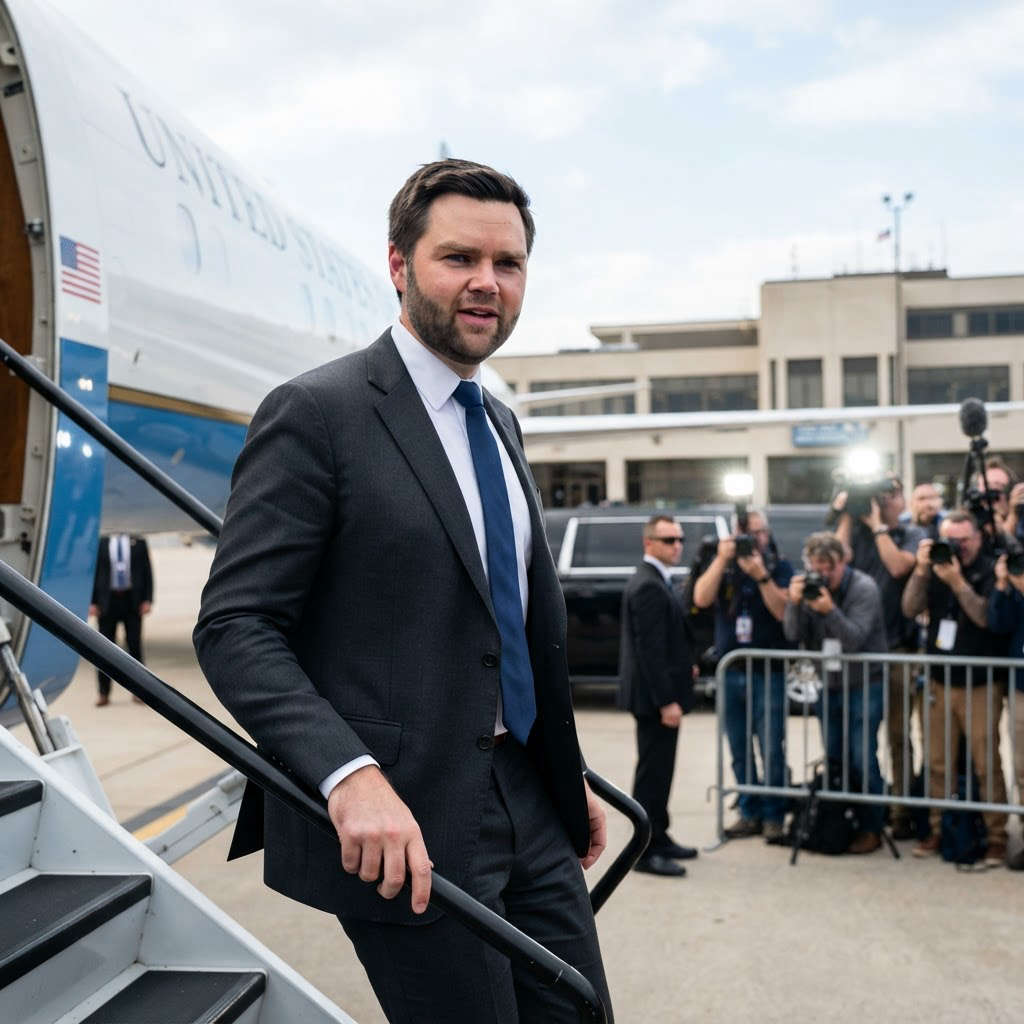
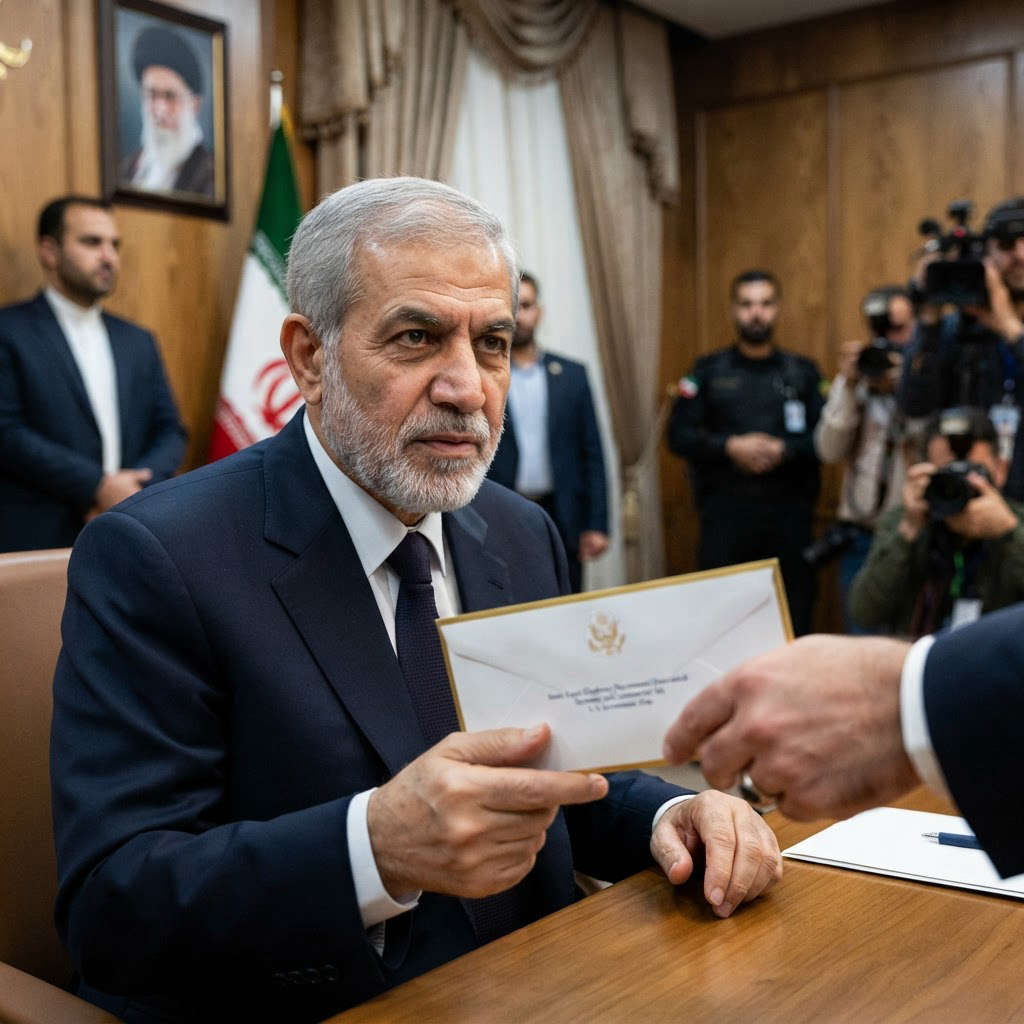
The U.S. military executed limited strikes on Iran's Qeshm Island in the Strait of Hormuz on November 2, 2026, in response to Iranian surface-to-air missile threats against U.S. assets. Officials characterized the operation as a defensive measure rather than a resumption of major combat operations. The action occurred amid ongoing diplomatic efforts to stabilize the region and prevent a return to full-scale conflict. Iran has since labeled the U.S. response to its conditions for reopening the strait as unconvincing.
Why This Matters to the United States
These strikes directly impact U.S. national security and global energy markets by attempting to secure the Strait of Hormuz, a critical maritime chokepoint for oil exports. The military action also influences domestic political sentiment and diplomatic negotiations regarding the ongoing conflict with Iran.
The primary actors involved in this development are the United States military, specifically the forces operating in the Strait of Hormuz, and the Islamic Revolutionary Guard Corps (IRGC) of Iran. Key political figures include President Donald Trump, who has confirmed the strikes, and Vice President JD Vance, who has been actively seeking a negotiated settlement. Iranian officials, including parliament speaker Mohammad Bagher Ghalibaf, are also central to the ongoing diplomatic and military standoff.
The U.S. military conducted limited, defensive strikes on Qeshm Island, an Iranian territory located in the strategic Strait of Hormuz. The strikes were reportedly a response to Iranian use of surface-to-air missiles against U.S. assets. The operation was described by U.S. officials as a small-scale measure intended to deter further aggression rather than a resumption of major combat operations. Simultaneously, the U.S. is reinforcing its presence in the region with a third aircraft carrier and additional troops.
The events are centered on Qeshm Island and the surrounding waters of the Strait of Hormuz, a critical maritime chokepoint for global oil transit. The region has been a focal point of U.S.-Iran tensions for months, with both nations maintaining a significant military presence in the area.
The strikes occurred on Monday, November 2, 2026, just hours before the U.S. midterm elections. This timing has heightened concerns about the political implications of the military action. The conflict itself has been ongoing for several months, with a previous preliminary agreement to end the war collapsing in June.
The stated reason for the strikes is self-defense against Iranian efforts to target maritime shipping and U.S. assets. The U.S. maintains that it must protect the freedom of navigation in the Strait of Hormuz. Iran, conversely, has expressed dissatisfaction with the U.S. response to its conditions for reopening the strait, labeling it 'unconvincing' and demanding that the U.S. address its seven conditions.
The U.S. utilized its military assets to conduct targeted strikes on specific Iranian facilities on Qeshm Island. The operation was executed under the authority of the U.S. military's defensive mandate to protect its assets and ensure the security of international shipping lanes. The U.S. is also employing diplomatic channels, with Vice President Vance leading efforts to reach a negotiated settlement, while simultaneously using military force as a deterrent.
Elizabeth Holmes Documentary 'You Can See Everything' Tops Domestic Box Office
The A24 documentary 'You Can See Everything,' directed by Nathan Fielder and Lance Oppenheim, claimed the top spot at the domestic box office over the Halloween weekend. The film earned $10.6 million in its third weekend, bringing its total domestic gross to $63.9 million against a $7 million budget. It narrowly outperformed the DC Studios release 'Clayface,' which finished with $10.4 million.




Cookie Notice
18+ BETAWe use cookies to keep you signed in, remember your preferences, and run the in-app ad system that keeps Universe One free. We do not sell your data. Ads run whether or not you accept, and the only way to remove them is the Ad-Free Subscription.
You must be 18 or older to create an account during Beta testing.