Sanctions & Export Controls
European Union Imposes Sanctions on 1,569 Russian Entities and Individuals
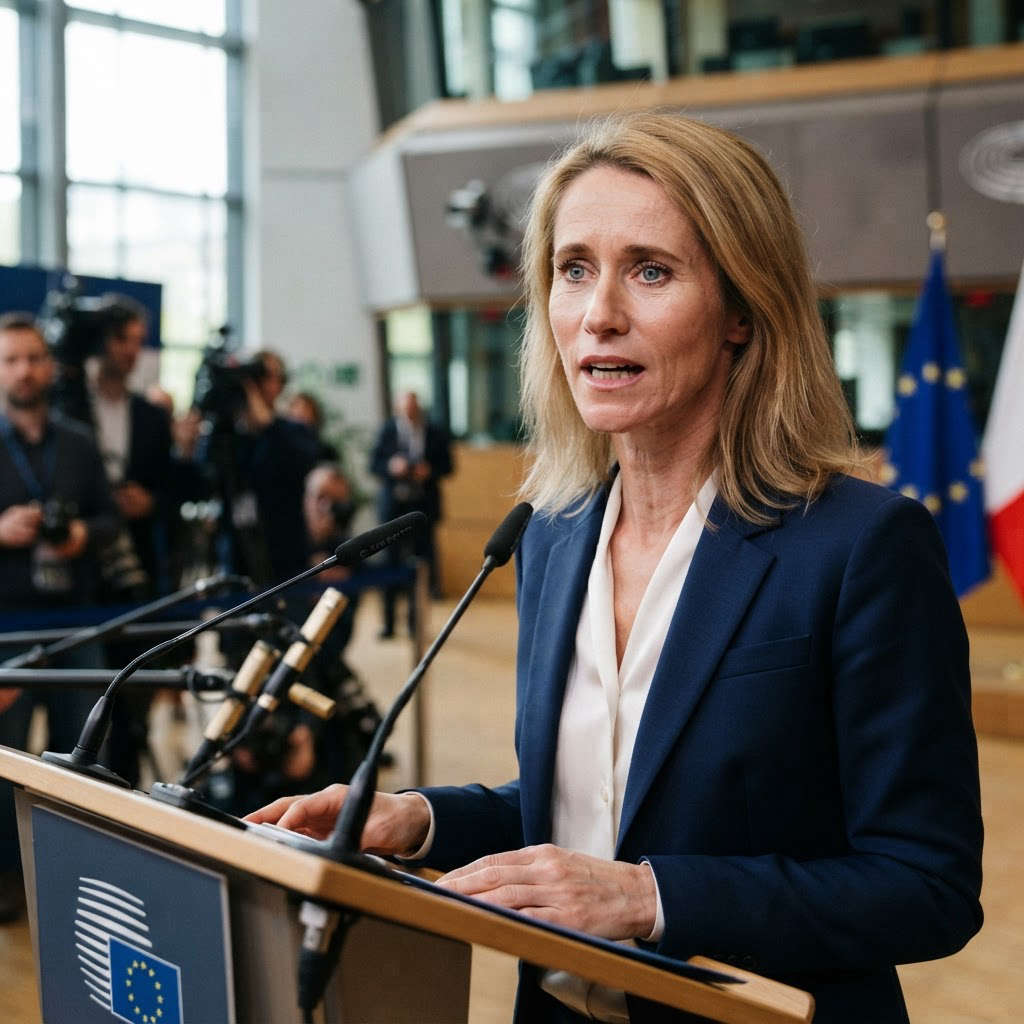
The European Union has adopted a new set of restrictive measures targeting 1,569 individuals and entities associated with Russia's military-industrial complex. This action includes 826 companies and 743 individuals, primarily CEOs of these firms. The measures involve asset freezes and travel bans, and are intended to disrupt the supply chains for components used in Russian weapons systems such as missiles and drones.
The primary actor is the Council of the European Union, which adopted the 22nd package of sanctions. Key figures include EU foreign policy chief Kaja Kallas, who has been instrumental in coordinating the bloc's restrictive measures. The targets include 826 companies and 743 individuals, specifically those linked to Russia's military-industrial complex, including manufacturers of ballistic missiles, drones, and navigation systems. Additionally, nine non-EU nations—including Albania, Moldova, and Ukraine—have aligned themselves with these designations.
The EU has implemented its largest single expansion of sanctions to date, adding 1,569 entries to its blacklist. The package focuses on four main areas: the military-industrial complex, the 'shadow fleet' of tankers used to bypass oil price caps, state-sponsored propagandists, and officials involved in the illegal re-education of Ukrainian children. The measures include asset freezes, travel bans, and a prohibition on EU citizens and companies from providing funds or economic resources to the listed parties.
The sanctions apply across the European Union's jurisdiction, affecting assets held within the bloc. The designations also have extraterritorial implications, as they target entities in third countries—including China, India, and Türkiye—that are accused of facilitating the circumvention of export restrictions on dual-use goods like microelectronics and CNC machine tools.
The decision was formally published in the Official Journal of the European Union on November 3, 2026, following the Council's adoption of the package. This follows a series of previous sanctions rounds throughout 2026, including the 21st package in July, as part of a continuous effort to drain Moscow's war revenues.
The stated motivation is to increase economic and political pressure on Russia to end its war of aggression against Ukraine. By targeting the supply chains for ballistic missiles and drones, the EU aims to degrade Russia's military production capacity. The inclusion of third-country entities is a strategic response to the ongoing circumvention of trade restrictions, which has allowed Russia to continue acquiring critical components despite Western sanctions.
The EU utilizes its Common Foreign and Security Policy (CFSP) framework to impose these restrictive measures. The process involves the Council identifying individuals and entities that support the Russian war effort, followed by a legal review and formal adoption. Once listed, the measures are enforced by member states, who are responsible for freezing assets and preventing the entry of sanctioned individuals. The EU also uses diplomatic pressure to encourage third countries to align with these measures, thereby expanding the reach of the sanctions regime.
This development represents a significant escalation in the economic war against Russia. By targeting the specific supply chains for high-tech weaponry, the EU is attempting to move beyond broad economic sanctions to more surgical, disruptive measures. For the United States, this underscores the importance of multilateral coordination in export controls and the necessity of robust supply chain due diligence for government contractors.
Expect increased scrutiny of international supply chains by both EU and US regulators. Companies will likely face pressure to enhance their compliance programs to identify and divest from any newly sanctioned entities. Diplomatic efforts will continue to focus on closing loopholes in third countries that serve as transit points for dual-use goods.
Key Unknowns
It remains unclear how effectively the EU can enforce these sanctions against entities in non-aligned third countries. The extent to which Russia can successfully pivot to alternative, domestic, or illicit supply chains to replace the sanctioned components is also a critical variable.
Watch for further announcements from the US Treasury regarding the alignment of its own sanctions lists with the EU's new designations. Additionally, monitor reports on the effectiveness of these measures in slowing down Russian missile and drone production in the coming months.
Sources
- EU Expands Russia Sanctions, Raising New Supply Chain Risks for Government Contractors — Morgan Lewis Government Contractor Guidebook
- EU adds 1,569 Russian individuals and entities to sanctions list — Ilke News Agency
- EU statement on 3rd country alignment with designations linked to Russia’s military-industrial complex — Global Sanctions
Topics
- Universe One
- Sanctions & Export Controls
- european
- union
- imposes
- sanctions
- russian
- entities
- individuals