
Robotics & Automation
Could 3D-printed self-sensing hinges enable autonomous robotic manipulation in complex environments by 2028
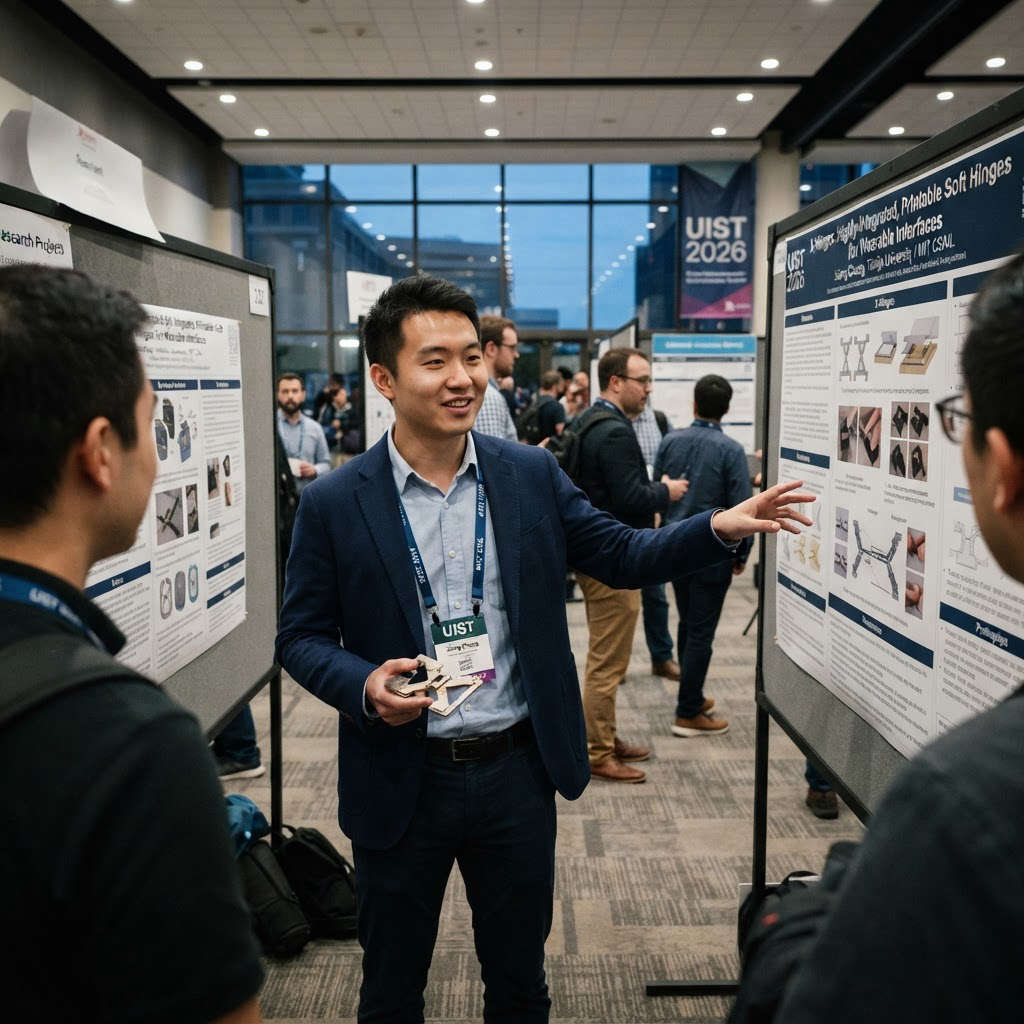
Researchers at MIT have developed 'X-Hinges,' a 3D-printing design tool that embeds sensors directly into the joints of compliant robotic mechanisms to capture multi-axis motion data. This software allows users to design objects that can sense their own deformation, enabling robots to adaptively react to human touch and identify objects through tactile feedback. The system supports complex movements across three axes, such as compression and lateral bending, which are critical for dexterous robotic grasping and interaction.
Advancing Embodied Robotic Perception
The development of X-Hinges by researchers at MIT’s Computer Science and Artificial Intelligence Laboratory (CSAIL) represents a shift toward integrating sensing directly into the physical structure of robots (MIT News, 2026). Unlike traditional approaches that rely on external sensors or rigid, complex arrays, this method uses 3D-printed compliant mechanisms that capture motion data through embedded sensors at the joints (MIT News, 2026). By allowing users to select up to three axes of motion—compressing, vertical, and lateral—the software enables the creation of objects that can sense their own deformation and respond to human interaction (MIT News, 2026). This capability is crucial for tasks requiring high dexterity, such as grasping fragile objects or identifying items by touch, as demonstrated by the researchers' ability to recognize a banana placed on a sensor-equipped surface (MIT News, 2026).
Overcoming Technical and Scalability Barriers
While the X-Hinges system offers a promising path toward more intuitive robotic manipulation, several technical challenges remain. Current research in flexible tactile sensing, such as the work published in the International Journal of Intelligent Robotics and Applications, highlights the need for improved adaptability and multi-modal perception in humanoid skin arrays (Dai and Bai, 2026). The X-Hinges approach addresses some of these issues by simplifying the design process, but the long-term durability of 3D-printed sensors under continuous industrial use remains to be proven (MIT News, 2026). Furthermore, the integration of these sensors into large-scale robotic systems requires robust signal processing and calibration techniques to bridge local contact information with global spatial awareness (University of Birmingham, 2026). Future research must focus on optimizing the material properties of these hinges to ensure they maintain sensitivity over thousands of cycles, a necessary step for their deployment in real-world environments like factories or healthcare settings (MIT News, 2026).
What It Will Take to Advance This
Long-term durability testing is required to determine how 3D-printed sensors perform after thousands of cycles in industrial environments. Studies must quantify the degradation of sensor sensitivity and structural integrity over time. The integration of these sensors into larger, more complex robotic systems requires advanced signal processing to handle high-density data streams. Researchers must develop algorithms that can effectively fuse tactile data with other sensory inputs like vision. Increased funding for open-source robotics platforms is necessary to allow for the widespread adoption and testing of X-Hinges. Dedicated grants should support the creation of standardized design libraries and testing facilities. NIST must establish performance benchmarks for self-sensing compliant mechanisms to ensure they meet safety standards for human-robot interaction. This is critical for the deployment of these robots in public spaces. Manufacturing processes must be optimized to ensure the consistent quality and reliability of 3D-printed sensors at scale. This includes developing standardized materials and printing parameters that can be replicated across different facilities.
Future Possibilities
The integration of self-sensing compliant mechanisms into prosthetic limbs could provide amputees with a more natural sense of touch and improved dexterity. By embedding sensors directly into the joints of a prosthetic hand, the device can provide real-time feedback on grip force and object shape, potentially reducing the cognitive load on the user. This would require the development of biocompatible, durable sensor materials that can withstand daily wear. Researchers should next investigate the long-term reliability of these 3D-printed sensors in clinical settings to ensure they meet the rigorous standards required for medical devices.
- •Mid term (2-5 years)
- •Moderate confidence
Reference: The MIT study demonstrates that X-Hinges can capture motion data for complex robotic grasping, which is a foundational requirement for advanced prosthetics (MIT News, 2026).
Autonomous robots equipped with self-sensing capabilities could perform more reliable reconnaissance and manipulation tasks in unstructured environments. By enabling robots to 'feel' their surroundings, these systems could navigate complex terrain or handle sensitive materials with greater precision than camera-only systems. This would require the development of hardened, field-ready versions of these sensors that can operate in extreme conditions. Future research should focus on the integration of these sensors into small, unmanned ground vehicles to test their performance in diverse, high-stakes environments.
- •Mid term (2-5 years)
- •Moderate confidence
Reference: The ability to identify objects through tactile data, as shown in the MIT research, is a key capability for autonomous systems operating in unknown environments (MIT News, 2026).
The use of 3D-printed self-sensing components could significantly lower the cost of industrial automation, making it accessible to smaller businesses. By replacing expensive, custom-built sensor arrays with integrated, 3D-printed parts, manufacturers can reduce both capital expenditure and maintenance costs. This would require the development of standardized design libraries and manufacturing processes that ensure consistent performance across different robotic platforms. Researchers should next conduct a cost-benefit analysis of implementing X-Hinges in small-to-medium-sized manufacturing facilities to quantify the potential economic impact.
- •Near term (0-2 years)
- •High confidence
Reference: The MIT research emphasizes the ease-of-use and potential for mass production of these self-sensing mechanisms (MIT News, 2026).
Robots equipped with advanced tactile sensing could improve the efficiency of recycling and waste sorting by accurately identifying and handling diverse materials. By sensing the hardness and texture of objects, these robots could distinguish between different types of plastics, metals, and organic waste, leading to higher purity in recycling streams. This would require the development of robust, large-scale tactile arrays that can operate in harsh, dirty environments. Future research should focus on the durability of these sensors in high-throughput sorting facilities to determine their viability for large-scale environmental applications.
- •Long term (5+ years)
- •Low confidence
Reference: The research demonstrates the ability to identify objects based on tactile data, which is a prerequisite for automated material sorting (MIT News, 2026).
Smart home devices and service robots could become more interactive and responsive to human touch, enhancing their utility in domestic settings. By incorporating self-sensing hinges, these robots could safely handle household objects, assist with chores, and provide more natural physical interaction with users. This would require the development of intuitive, user-friendly interfaces that allow non-experts to design and customize these interactions. Researchers should next explore the ethical and safety implications of deploying such responsive robots in private homes to ensure they operate reliably and securely.
- •Long term (5+ years)
- •Moderate confidence
Reference: The MIT study highlights the potential for these creations to adaptively react to human touch, which is essential for safe domestic service robots (MIT News, 2026).
The National Science Foundation (NSF) should prioritize funding for the integration of self-sensing compliant mechanisms into open-source robotics platforms to accelerate adoption. By allocating resources through the National Robotics Initiative, the NSF can support the development of standardized design libraries for X-Hinges. This would allow researchers to build upon the MIT CSAIL framework, moving from laboratory prototypes to robust, field-ready robotic grippers within 3 years.
- •The MIT research demonstrates immediate utility in teaching robots to grasp blocks and identify objects.
- •Standardized design tools are essential for scaling complex robotic interactions.
Reference: MIT News, 'This design software reimagines everyday objects as self-aware devices', 2026
The National Institutes of Health (NIH) should sponsor pilot studies using X-Hinges in the development of next-generation prosthetic hands. By leveraging the ability to sense multi-axis motion, these prosthetics could provide amputees with more intuitive control and tactile feedback. This translation would require clinical trials to validate the durability and sensitivity of 3D-printed sensors in daily use, aiming for a prototype deployment by 2029.
- •Tactile sensing is a critical barrier for dexterous prosthetic manipulation.
- •The X-Hinges system allows for custom, low-cost sensor integration.
Reference: University of Birmingham, 'Medical & Healthcare Robotics', 2026
Industrial robotics manufacturers should adopt 3D-printed self-sensing components to reduce the complexity of traditional sensor arrays. By integrating these hinges into assembly-line grippers, companies can achieve higher throughput and lower maintenance costs compared to rigid, multi-sensor systems. This transition would be supported by the scalability of 3D printing, allowing for rapid iteration and deployment in diverse factory environments.
- •The research highlights the potential for zero-power standby modes in flexible sensors.
- •3D printing enables rapid, cost-effective production of complex robotic parts.
Reference: International Journal of Intelligent Robotics and Applications, 'Research on robotic fingers based on flexible humanoid skin array sensors', 2026
The National Institute of Standards and Technology (NIST) should establish performance benchmarks for self-sensing compliant mechanisms to ensure safety in human-robot interaction. By defining metrics for sensitivity, response time, and durability, NIST can provide a framework for the commercialization of these devices. This would facilitate the adoption of X-Hinges in public-facing environments like airports and grocery stores, where reliability is paramount.
- •The MIT study suggests applications in detection systems for public spaces.
- •Standardization is necessary for the safe deployment of autonomous robots.
Reference: MIT News, 'This design software reimagines everyday objects as self-aware devices', 2026
Universities and vocational training programs should incorporate the X-Hinges design interface into robotics curricula to prepare the next generation of engineers. By training students on the design of self-aware, 3D-printed objects, institutions can bridge the gap between theoretical robotics and practical, embodied AI. This workforce development is essential for the widespread adoption of advanced tactile sensing technologies in the U.S. economy.
- •The interface is described as easy-to-use for designing interactive objects.
- •Embodied AI requires a workforce skilled in both hardware and software integration.
Reference: MIT News, 'This design software reimagines everyday objects as self-aware devices', 2026
Coups & Political Upheaval
Over 7,000 Displaced in Northern Mozambique Amid Escalating Insurgent Violence

Summary
The International Organization for Migration reports that over 7,000 people have been displaced in Mozambique's Cabo Delgado province since late September due to violence involving non-state armed groups. Approximately 80 percent of these individuals are women and children, many of whom are seeking refuge in host communities. Humanitarian agencies have identified urgent needs for food, shelter, and healthcare for the affected population. This displacement occurs within the context of ongoing regional instability.
The primary actors involved in the current crisis include the Mozambican government led by President Daniel Chapo and the ruling FRELIMO party, which has faced significant opposition since the disputed 2024 general elections. The opposition is largely represented by Venâncio Mondlane and the Podemos party, who continue to contest the election results. On the ground, the violence is driven by non-state armed groups (often referred to as insurgents) operating in the northern province of Cabo Delgado. International organizations, specifically the International Organization for Migration (IOM) and UNICEF, are actively monitoring the humanitarian impact and providing aid to the displaced.
More than 7,000 people have been forced to flee their homes in Cabo Delgado since late September 2026 due to a surge in violence. This displacement is part of a broader, long-standing conflict in the region that has been exacerbated by political instability following the 2024 presidential election. The violence involves attacks on civilians, leading to significant humanitarian needs, including food, shelter, and healthcare. The situation is compounded by the fact that many of the displaced are moving into communities already struggling with the effects of previous years of conflict.
The crisis is concentrated in the Cabo Delgado province of northern Mozambique. This region is strategically significant due to its vast natural gas reserves and ongoing international energy projects. The unrest also has a national dimension, with political protests frequently occurring in major urban centers like Maputo.
The current wave of displacement began in late September 2026. The broader political crisis dates back to the October 9, 2024, general elections, which were followed by months of nationwide protests and allegations of systemic electoral fraud. The insurgency in the north has been ongoing for several years, with periodic escalations.
The motivations for the violence are multifaceted. While the insurgency in the north has its own roots in local grievances and extremist ideology, the current instability is deeply linked to the disputed 2024 election results. Opposition leader Venâncio Mondlane has consistently challenged the legitimacy of President Chapo’s victory, leading to widespread civil unrest. Furthermore, the region suffers from deep-seated socioeconomic disparities, which insurgents exploit to recruit disillusioned youth. The government’s heavy-handed response to protests has further eroded public trust and fueled the cycle of violence.
The government maintains control through the state apparatus, which critics argue has been used to manipulate electoral processes and suppress dissent. The insurgency operates through asymmetric warfare, including attacks on villages and infrastructure. Humanitarian aid is delivered through international agencies like the IOM, which work to provide basic necessities to the displaced. The situation remains highly volatile, with the government attempting to balance an 'Inclusive National Dialogue' with the need to maintain security in the face of persistent insurgent threats and political opposition.
Chemistry
Could the isolation of stable oxoboranes enable the design of new high-performance chemical catalysts
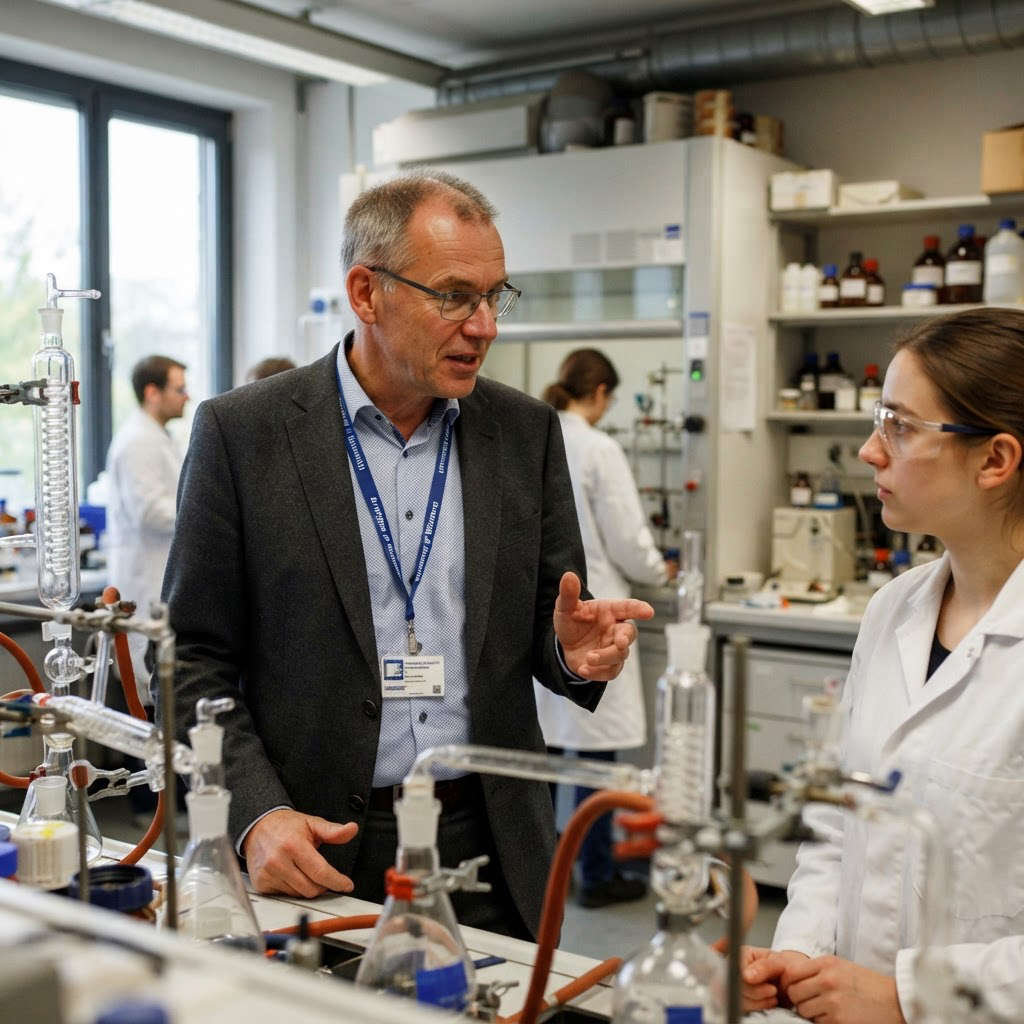
Researchers at the University of Würzburg have successfully isolated stable oxoboranes, a class of compounds featuring a boron-oxygen triple bond previously considered too unstable to exist in a lasting form. Led by Professor Holger Braunschweig, the team discovered that reacting diboracumulene with various ketones unexpectedly yielded these stable orange or yellow solids. This breakthrough, supported by computational analysis from Tezpur University, overcomes a 60-year barrier in chemical synthesis that had led most researchers to abandon the pursuit of these molecules.
Overcoming the Stability Barrier
The isolation of oxoboranes represents a landmark achievement in inorganic chemistry, effectively resolving a 60-year-old challenge regarding the stability of boron-oxygen triple bonds (SciTechDaily, 2026). Previously, the scientific consensus held that such bonds were inherently too unstable to exist in a lasting, isolable form, leading most researchers to abandon the field (SciTechDaily, 2026). The breakthrough occurred when researchers at the University of Würzburg, led by Professor Holger Braunschweig, utilized diboracumulene as a precursor, reacting it with various ketones to produce stable, solid-state oxoboranes (SciTechDaily, 2026). This discovery was not only unexpected but also demonstrated that these elusive molecules could be synthesized using relatively simple, commonly available substrates (SciTechDaily, 2026).
Evidence and Future Utility
The stability of these compounds was confirmed through rigorous structural characterization, with computational support provided by Professor Ashwini K. Phukan’s team at Tezpur University (SciTechDaily, 2026). The evidence suggests that the unique electronic environment provided by the diboracumulene scaffold effectively stabilizes the boron-oxygen triple bond, preventing the rapid decomposition that had hindered previous attempts (SciTechDaily, 2026). While the current results are limited to laboratory-scale synthesis, the ability to produce these compounds in stable orange or yellow solid forms provides a foundation for future exploration (SciTechDaily, 2026). The next logical step for researchers is to investigate the chemical reactivity of these oxoboranes, specifically their potential as reagents in organic synthesis and catalysis (SciTechDaily, 2026). By establishing a reliable method for their production, the Würzburg team has opened a new frontier in boron chemistry, potentially enabling the development of novel materials and pharmaceutical intermediates that were previously inaccessible (SciTechDaily, 2026). Future research will need to focus on the scalability of these reactions and the potential for creating a wider library of oxoborane derivatives to fully understand their utility in industrial and academic applications (SciTechDaily, 2026).
What It Will Take to Advance This
Researchers must conduct a comprehensive study of the reactivity profiles of the three newly isolated oxoboranes to determine their utility in various chemical transformations. This includes testing their performance in standard organic reactions such as cycloadditions and nucleophilic attacks. The primary technical barrier is the sensitivity of these compounds to environmental factors like moisture and air, which currently necessitates specialized handling. Developing robust, air-stable derivatives will be essential for broader industrial application. Increased funding from national science agencies is required to support the transition from fundamental discovery to applied research. This includes resources for high-throughput screening of oxoborane reactivity. Standardized safety protocols for the handling and storage of oxoboranes must be established by chemical safety boards. This is necessary to ensure that researchers and industrial workers can safely utilize these new materials. The development of scalable, cost-effective synthesis methods for the diboracumulene precursors is required to move beyond laboratory-scale production. This will involve optimizing reaction conditions to achieve high yields and purity at the multi-gram or kilogram scale.
Future Possibilities
The availability of stable oxoboranes could revolutionize the synthesis of complex pharmaceutical compounds by providing highly reactive, yet controllable, building blocks. If these compounds can be used to create novel antibiotic scaffolds, they may offer a pathway to overcome current drug-resistant bacterial strains. Researchers should prioritize testing these oxoboranes in the synthesis of known drug candidates to evaluate their efficiency and selectivity. Success would require demonstrating that these reagents can be integrated into existing multi-step synthesis pipelines without compromising the stability of the final drug product.
- •Mid term (2-5 years)
- •Moderate confidence
Reference: The discovery of stable oxoboranes provides a new class of reactive intermediates for organic synthesis (SciTechDaily, 2026).
Advanced chemical synthesis capabilities are critical for national security, particularly in the development of specialized materials and defensive technologies. Oxoboranes could serve as precursors for high-performance polymers or energetic materials with unique properties. The U.S. Department of Defense should monitor this research to determine if these compounds can be leveraged for domestic material production. A key research direction is to assess the thermal and mechanical stability of oxoborane-derived materials under extreme conditions.
- •Long term (5+ years)
- •Low confidence
Reference: The ability to isolate previously unstable chemical bonds expands the toolkit for materials science (SciTechDaily, 2026).
The commercialization of oxoborane-based reagents could create new market opportunities in the fine chemical and specialty materials sectors. By streamlining the synthesis of complex molecules, these reagents could reduce production costs and time-to-market for new chemical products. Companies that successfully patent and scale the production of these oxoboranes will likely gain a competitive advantage in the global chemical market. Researchers should focus on developing cost-effective, large-scale synthesis methods to facilitate industrial adoption.
- •Mid term (2-5 years)
- •High confidence
Reference: The use of common ketones as substrates suggests that the production of oxoboranes could be economically viable (SciTechDaily, 2026).
Oxoboranes may enable the development of more efficient and selective catalysts for industrial chemical processes, potentially reducing energy consumption and waste generation. By replacing traditional, less efficient catalysts, these new compounds could contribute to greener manufacturing practices. Future studies should evaluate the environmental impact and recyclability of oxoborane-based catalysts compared to current industry standards. The goal is to demonstrate a measurable reduction in the carbon footprint of chemical synthesis processes.
- •Long term (5+ years)
- •Low confidence
Reference: The discovery of new reactive species often leads to the development of more efficient catalytic pathways (SciTechDaily, 2026).
While the direct impact on everyday life is indirect, the long-term benefits of this research include the development of better medicines, more durable materials, and more efficient consumer electronics. As these chemical building blocks become standard in research, they will eventually influence the products available to the public. The next step is to translate these fundamental chemical insights into practical applications that improve the quality and safety of consumer goods. This will require sustained investment in both basic and applied chemical research.
- •Long term (5+ years)
- •Moderate confidence
Reference: Fundamental breakthroughs in chemistry historically lead to widespread technological advancements (SciTechDaily, 2026).
The National Science Foundation (NSF) should prioritize grant allocations for fundamental boron-oxygen chemistry to explore the reactivity of these newly isolated oxoboranes. By establishing a dedicated funding line for 'Boron-Oxygen Triple Bond Reactivity,' the NSF can accelerate the mapping of these compounds' potential as synthetic reagents. This investment would mirror the successful funding pathways used for previous breakthroughs in organometallic chemistry. The goal is to move from initial isolation to a comprehensive library of reactive derivatives within 24 months.
- •The discovery overcomes a 60-year barrier in chemical synthesis (SciTechDaily, 2026).
- •Computational support from Tezpur University confirms the stability of the new compounds (SciTechDaily, 2026).
Reference: National Science Foundation (NSF) Division of Chemistry research grant programs.
Pharmaceutical research institutions should investigate the use of oxoboranes as specialized intermediates in the synthesis of complex drug molecules. By leveraging the unique electronic properties of the boron-oxygen triple bond, chemists may develop more efficient pathways for creating bioactive compounds that are currently difficult to synthesize. This would involve pilot studies in medicinal chemistry labs to test the stability and selectivity of oxoboranes in multi-step organic synthesis. Success in these trials would provide a new tool for overcoming drug resistance in antibiotic development.
- •Oxoboranes are now available in stable, isolable forms (SciTechDaily, 2026).
- •The compounds react with simple substrates like ketones, suggesting broad utility (SciTechDaily, 2026).
Reference: Nature Chemistry, 'Isolation of stable oxoboranes', Braunschweig et al. (2026).
Chemical manufacturing firms should develop scalable protocols for the production of diboracumulene precursors to facilitate the widespread use of oxoboranes. By optimizing the reaction conditions identified by the Würzburg team, companies can transition from laboratory-scale synthesis to batch production. This infrastructure development is essential for making these reagents accessible to the broader chemical industry. The milestone would be the demonstration of a multi-gram synthesis process that maintains the purity and stability of the oxoborane products.
- •The reaction uses common ketones, which are readily available in industrial quantities (SciTechDaily, 2026).
- •The discovery was made using standard organic synthesis techniques (SciTechDaily, 2026).
Reference: SciTechDaily, 'Nearly Everybody Had Given Up', University of Würzburg (2026).
The American Chemical Society (ACS) should establish standardized nomenclature and safety handling protocols for oxoborane derivatives to ensure consistent research practices. As these compounds enter the broader scientific literature, clear guidelines will prevent confusion and promote safe laboratory handling. This regulatory step would involve a committee of experts defining the reactivity profiles and storage requirements for these new chemical entities. Establishing these standards early will facilitate the integration of oxoboranes into standard chemical curricula and industrial safety manuals.
- •The compounds were previously considered too unstable to isolate (SciTechDaily, 2026).
- •The discovery opens a new field of boron-oxygen chemistry (SciTechDaily, 2026).
Reference: American Chemical Society (ACS) Committee on Nomenclature and Safety.
University chemistry departments should integrate the study of oxoboranes into advanced organic and inorganic chemistry curricula to train the next generation of synthetic chemists. By incorporating the Würzburg team's methodology into graduate-level laboratory courses, institutions can ensure students are proficient in handling these novel, highly reactive species. This training will be critical for the future workforce in the chemical and pharmaceutical sectors. The program would culminate in student-led research projects aimed at discovering new derivatives of the oxoborane core.
- •The discovery was made by doctoral students, demonstrating the accessibility of the research (SciTechDaily, 2026).
- •The work bridges a 60-year gap in chemical knowledge (SciTechDaily, 2026).
Reference: University of Würzburg, Department of Chemistry curriculum guidelines.
·
© 2026 Universe One LLC. All rights reserved.
Cookie Notice
18+ BETAWe use cookies to keep you signed in, remember your preferences, and run the in-app ad system that keeps Universe One free. We do not sell your data. Analytics and ad-personalization cookies stay off until you accept. Ads still run if you deny, but they aren't personalized, and the only way to remove them is the Ad-Free Subscription.
You must be 18 or older to create an account during Beta testing.