

Robotics & Automation
Could 3D-printed self-sensing hinges enable autonomous robotic manipulation in complex environments by 2028

Researchers at MIT have developed 'X-Hinges,' a 3D-printing design tool that embeds sensors directly into the joints of compliant robotic mechanisms to capture multi-axis motion data. This software allows users to design objects that can sense their own deformation, enabling robots to adaptively react to human touch and identify objects through tactile feedback. The system supports complex movements across three axes, such as compression and lateral bending, which are critical for dexterous robotic grasping and interaction.
Advancing Embodied Robotic Perception
The development of X-Hinges by researchers at MIT’s Computer Science and Artificial Intelligence Laboratory (CSAIL) represents a shift toward integrating sensing directly into the physical structure of robots (MIT News, 2026). Unlike traditional approaches that rely on external sensors or rigid, complex arrays, this method uses 3D-printed compliant mechanisms that capture motion data through embedded sensors at the joints (MIT News, 2026). By allowing users to select up to three axes of motion—compressing, vertical, and lateral—the software enables the creation of objects that can sense their own deformation and respond to human interaction (MIT News, 2026). This capability is crucial for tasks requiring high dexterity, such as grasping fragile objects or identifying items by touch, as demonstrated by the researchers' ability to recognize a banana placed on a sensor-equipped surface (MIT News, 2026).
Overcoming Technical and Scalability Barriers
While the X-Hinges system offers a promising path toward more intuitive robotic manipulation, several technical challenges remain. Current research in flexible tactile sensing, such as the work published in the International Journal of Intelligent Robotics and Applications, highlights the need for improved adaptability and multi-modal perception in humanoid skin arrays (Dai and Bai, 2026). The X-Hinges approach addresses some of these issues by simplifying the design process, but the long-term durability of 3D-printed sensors under continuous industrial use remains to be proven (MIT News, 2026). Furthermore, the integration of these sensors into large-scale robotic systems requires robust signal processing and calibration techniques to bridge local contact information with global spatial awareness (University of Birmingham, 2026). Future research must focus on optimizing the material properties of these hinges to ensure they maintain sensitivity over thousands of cycles, a necessary step for their deployment in real-world environments like factories or healthcare settings (MIT News, 2026).
What It Will Take to Advance This
Long-term durability testing is required to determine how 3D-printed sensors perform after thousands of cycles in industrial environments. Studies must quantify the degradation of sensor sensitivity and structural integrity over time. The integration of these sensors into larger, more complex robotic systems requires advanced signal processing to handle high-density data streams. Researchers must develop algorithms that can effectively fuse tactile data with other sensory inputs like vision. Increased funding for open-source robotics platforms is necessary to allow for the widespread adoption and testing of X-Hinges. Dedicated grants should support the creation of standardized design libraries and testing facilities. NIST must establish performance benchmarks for self-sensing compliant mechanisms to ensure they meet safety standards for human-robot interaction. This is critical for the deployment of these robots in public spaces. Manufacturing processes must be optimized to ensure the consistent quality and reliability of 3D-printed sensors at scale. This includes developing standardized materials and printing parameters that can be replicated across different facilities.
Future Possibilities
The integration of self-sensing compliant mechanisms into prosthetic limbs could provide amputees with a more natural sense of touch and improved dexterity. By embedding sensors directly into the joints of a prosthetic hand, the device can provide real-time feedback on grip force and object shape, potentially reducing the cognitive load on the user. This would require the development of biocompatible, durable sensor materials that can withstand daily wear. Researchers should next investigate the long-term reliability of these 3D-printed sensors in clinical settings to ensure they meet the rigorous standards required for medical devices.
- •Mid term (2-5 years)
- •Moderate confidence
Reference: The MIT study demonstrates that X-Hinges can capture motion data for complex robotic grasping, which is a foundational requirement for advanced prosthetics (MIT News, 2026).
Autonomous robots equipped with self-sensing capabilities could perform more reliable reconnaissance and manipulation tasks in unstructured environments. By enabling robots to 'feel' their surroundings, these systems could navigate complex terrain or handle sensitive materials with greater precision than camera-only systems. This would require the development of hardened, field-ready versions of these sensors that can operate in extreme conditions. Future research should focus on the integration of these sensors into small, unmanned ground vehicles to test their performance in diverse, high-stakes environments.
- •Mid term (2-5 years)
- •Moderate confidence
Reference: The ability to identify objects through tactile data, as shown in the MIT research, is a key capability for autonomous systems operating in unknown environments (MIT News, 2026).
The use of 3D-printed self-sensing components could significantly lower the cost of industrial automation, making it accessible to smaller businesses. By replacing expensive, custom-built sensor arrays with integrated, 3D-printed parts, manufacturers can reduce both capital expenditure and maintenance costs. This would require the development of standardized design libraries and manufacturing processes that ensure consistent performance across different robotic platforms. Researchers should next conduct a cost-benefit analysis of implementing X-Hinges in small-to-medium-sized manufacturing facilities to quantify the potential economic impact.
- •Near term (0-2 years)
- •High confidence
Reference: The MIT research emphasizes the ease-of-use and potential for mass production of these self-sensing mechanisms (MIT News, 2026).
Robots equipped with advanced tactile sensing could improve the efficiency of recycling and waste sorting by accurately identifying and handling diverse materials. By sensing the hardness and texture of objects, these robots could distinguish between different types of plastics, metals, and organic waste, leading to higher purity in recycling streams. This would require the development of robust, large-scale tactile arrays that can operate in harsh, dirty environments. Future research should focus on the durability of these sensors in high-throughput sorting facilities to determine their viability for large-scale environmental applications.
- •Long term (5+ years)
- •Low confidence
Reference: The research demonstrates the ability to identify objects based on tactile data, which is a prerequisite for automated material sorting (MIT News, 2026).
Smart home devices and service robots could become more interactive and responsive to human touch, enhancing their utility in domestic settings. By incorporating self-sensing hinges, these robots could safely handle household objects, assist with chores, and provide more natural physical interaction with users. This would require the development of intuitive, user-friendly interfaces that allow non-experts to design and customize these interactions. Researchers should next explore the ethical and safety implications of deploying such responsive robots in private homes to ensure they operate reliably and securely.
- •Long term (5+ years)
- •Moderate confidence
Reference: The MIT study highlights the potential for these creations to adaptively react to human touch, which is essential for safe domestic service robots (MIT News, 2026).
The National Science Foundation (NSF) should prioritize funding for the integration of self-sensing compliant mechanisms into open-source robotics platforms to accelerate adoption. By allocating resources through the National Robotics Initiative, the NSF can support the development of standardized design libraries for X-Hinges. This would allow researchers to build upon the MIT CSAIL framework, moving from laboratory prototypes to robust, field-ready robotic grippers within 3 years.
- •The MIT research demonstrates immediate utility in teaching robots to grasp blocks and identify objects.
- •Standardized design tools are essential for scaling complex robotic interactions.
Reference: MIT News, 'This design software reimagines everyday objects as self-aware devices', 2026
The National Institutes of Health (NIH) should sponsor pilot studies using X-Hinges in the development of next-generation prosthetic hands. By leveraging the ability to sense multi-axis motion, these prosthetics could provide amputees with more intuitive control and tactile feedback. This translation would require clinical trials to validate the durability and sensitivity of 3D-printed sensors in daily use, aiming for a prototype deployment by 2029.
- •Tactile sensing is a critical barrier for dexterous prosthetic manipulation.
- •The X-Hinges system allows for custom, low-cost sensor integration.
Reference: University of Birmingham, 'Medical & Healthcare Robotics', 2026
Industrial robotics manufacturers should adopt 3D-printed self-sensing components to reduce the complexity of traditional sensor arrays. By integrating these hinges into assembly-line grippers, companies can achieve higher throughput and lower maintenance costs compared to rigid, multi-sensor systems. This transition would be supported by the scalability of 3D printing, allowing for rapid iteration and deployment in diverse factory environments.
- •The research highlights the potential for zero-power standby modes in flexible sensors.
- •3D printing enables rapid, cost-effective production of complex robotic parts.
Reference: International Journal of Intelligent Robotics and Applications, 'Research on robotic fingers based on flexible humanoid skin array sensors', 2026
The National Institute of Standards and Technology (NIST) should establish performance benchmarks for self-sensing compliant mechanisms to ensure safety in human-robot interaction. By defining metrics for sensitivity, response time, and durability, NIST can provide a framework for the commercialization of these devices. This would facilitate the adoption of X-Hinges in public-facing environments like airports and grocery stores, where reliability is paramount.
- •The MIT study suggests applications in detection systems for public spaces.
- •Standardization is necessary for the safe deployment of autonomous robots.
Reference: MIT News, 'This design software reimagines everyday objects as self-aware devices', 2026
Universities and vocational training programs should incorporate the X-Hinges design interface into robotics curricula to prepare the next generation of engineers. By training students on the design of self-aware, 3D-printed objects, institutions can bridge the gap between theoretical robotics and practical, embodied AI. This workforce development is essential for the widespread adoption of advanced tactile sensing technologies in the U.S. economy.
- •The interface is described as easy-to-use for designing interactive objects.
- •Embodied AI requires a workforce skilled in both hardware and software integration.
Reference: MIT News, 'This design software reimagines everyday objects as self-aware devices', 2026
Coups & Political Upheaval
Over 7,000 Displaced in Northern Mozambique Amid Escalating Insurgent Violence

Summary
The International Organization for Migration reports that over 7,000 people have been displaced in Mozambique's Cabo Delgado province since late September due to violence involving non-state armed groups. Approximately 80 percent of these individuals are women and children, many of whom are seeking refuge in host communities. Humanitarian agencies have identified urgent needs for food, shelter, and healthcare for the affected population. This displacement occurs within the context of ongoing regional instability.
The primary actors involved in the current crisis include the Mozambican government led by President Daniel Chapo and the ruling FRELIMO party, which has faced significant opposition since the disputed 2024 general elections. The opposition is largely represented by Venâncio Mondlane and the Podemos party, who continue to contest the election results. On the ground, the violence is driven by non-state armed groups (often referred to as insurgents) operating in the northern province of Cabo Delgado. International organizations, specifically the International Organization for Migration (IOM) and UNICEF, are actively monitoring the humanitarian impact and providing aid to the displaced.
More than 7,000 people have been forced to flee their homes in Cabo Delgado since late September 2026 due to a surge in violence. This displacement is part of a broader, long-standing conflict in the region that has been exacerbated by political instability following the 2024 presidential election. The violence involves attacks on civilians, leading to significant humanitarian needs, including food, shelter, and healthcare. The situation is compounded by the fact that many of the displaced are moving into communities already struggling with the effects of previous years of conflict.
The crisis is concentrated in the Cabo Delgado province of northern Mozambique. This region is strategically significant due to its vast natural gas reserves and ongoing international energy projects. The unrest also has a national dimension, with political protests frequently occurring in major urban centers like Maputo.
The current wave of displacement began in late September 2026. The broader political crisis dates back to the October 9, 2024, general elections, which were followed by months of nationwide protests and allegations of systemic electoral fraud. The insurgency in the north has been ongoing for several years, with periodic escalations.
The motivations for the violence are multifaceted. While the insurgency in the north has its own roots in local grievances and extremist ideology, the current instability is deeply linked to the disputed 2024 election results. Opposition leader Venâncio Mondlane has consistently challenged the legitimacy of President Chapo’s victory, leading to widespread civil unrest. Furthermore, the region suffers from deep-seated socioeconomic disparities, which insurgents exploit to recruit disillusioned youth. The government’s heavy-handed response to protests has further eroded public trust and fueled the cycle of violence.
The government maintains control through the state apparatus, which critics argue has been used to manipulate electoral processes and suppress dissent. The insurgency operates through asymmetric warfare, including attacks on villages and infrastructure. Humanitarian aid is delivered through international agencies like the IOM, which work to provide basic necessities to the displaced. The situation remains highly volatile, with the government attempting to balance an 'Inclusive National Dialogue' with the need to maintain security in the face of persistent insurgent threats and political opposition.
Chemistry
Could the isolation of stable oxoboranes enable the design of new high-performance chemical catalysts
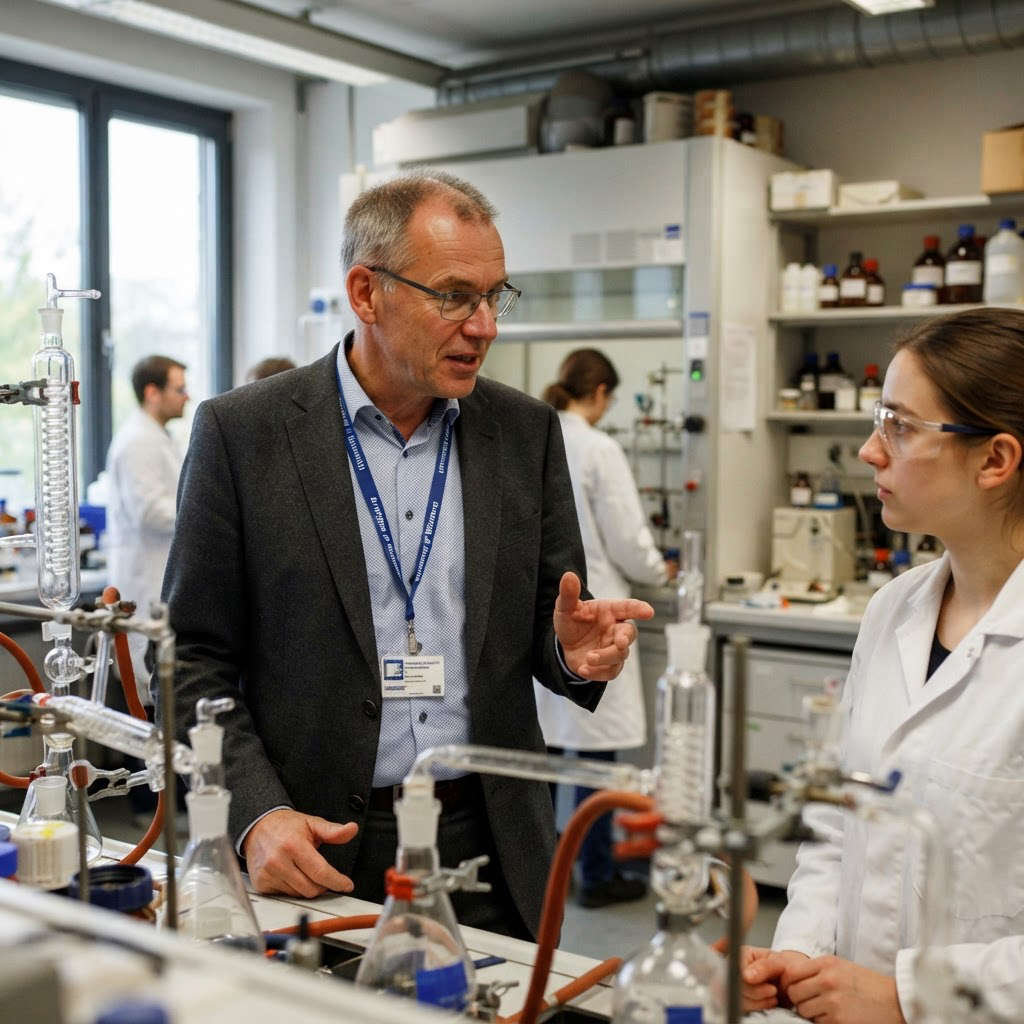
Researchers at the University of Würzburg have successfully isolated stable oxoboranes, a class of compounds featuring a boron-oxygen triple bond previously considered too unstable to exist in a lasting form. Led by Professor Holger Braunschweig, the team discovered that reacting diboracumulene with various ketones unexpectedly yielded these stable orange or yellow solids. This breakthrough, supported by computational analysis from Tezpur University, overcomes a 60-year barrier in chemical synthesis that had led most researchers to abandon the pursuit of these molecules.
Overcoming the Stability Barrier
The isolation of oxoboranes represents a landmark achievement in inorganic chemistry, effectively resolving a 60-year-old challenge regarding the stability of boron-oxygen triple bonds (SciTechDaily, 2026). Previously, the scientific consensus held that such bonds were inherently too unstable to exist in a lasting, isolable form, leading most researchers to abandon the field (SciTechDaily, 2026). The breakthrough occurred when researchers at the University of Würzburg, led by Professor Holger Braunschweig, utilized diboracumulene as a precursor, reacting it with various ketones to produce stable, solid-state oxoboranes (SciTechDaily, 2026). This discovery was not only unexpected but also demonstrated that these elusive molecules could be synthesized using relatively simple, commonly available substrates (SciTechDaily, 2026).
Evidence and Future Utility
The stability of these compounds was confirmed through rigorous structural characterization, with computational support provided by Professor Ashwini K. Phukan’s team at Tezpur University (SciTechDaily, 2026). The evidence suggests that the unique electronic environment provided by the diboracumulene scaffold effectively stabilizes the boron-oxygen triple bond, preventing the rapid decomposition that had hindered previous attempts (SciTechDaily, 2026). While the current results are limited to laboratory-scale synthesis, the ability to produce these compounds in stable orange or yellow solid forms provides a foundation for future exploration (SciTechDaily, 2026). The next logical step for researchers is to investigate the chemical reactivity of these oxoboranes, specifically their potential as reagents in organic synthesis and catalysis (SciTechDaily, 2026). By establishing a reliable method for their production, the Würzburg team has opened a new frontier in boron chemistry, potentially enabling the development of novel materials and pharmaceutical intermediates that were previously inaccessible (SciTechDaily, 2026). Future research will need to focus on the scalability of these reactions and the potential for creating a wider library of oxoborane derivatives to fully understand their utility in industrial and academic applications (SciTechDaily, 2026).
What It Will Take to Advance This
Researchers must conduct a comprehensive study of the reactivity profiles of the three newly isolated oxoboranes to determine their utility in various chemical transformations. This includes testing their performance in standard organic reactions such as cycloadditions and nucleophilic attacks. The primary technical barrier is the sensitivity of these compounds to environmental factors like moisture and air, which currently necessitates specialized handling. Developing robust, air-stable derivatives will be essential for broader industrial application. Increased funding from national science agencies is required to support the transition from fundamental discovery to applied research. This includes resources for high-throughput screening of oxoborane reactivity. Standardized safety protocols for the handling and storage of oxoboranes must be established by chemical safety boards. This is necessary to ensure that researchers and industrial workers can safely utilize these new materials. The development of scalable, cost-effective synthesis methods for the diboracumulene precursors is required to move beyond laboratory-scale production. This will involve optimizing reaction conditions to achieve high yields and purity at the multi-gram or kilogram scale.
Future Possibilities
The availability of stable oxoboranes could revolutionize the synthesis of complex pharmaceutical compounds by providing highly reactive, yet controllable, building blocks. If these compounds can be used to create novel antibiotic scaffolds, they may offer a pathway to overcome current drug-resistant bacterial strains. Researchers should prioritize testing these oxoboranes in the synthesis of known drug candidates to evaluate their efficiency and selectivity. Success would require demonstrating that these reagents can be integrated into existing multi-step synthesis pipelines without compromising the stability of the final drug product.
- •Mid term (2-5 years)
- •Moderate confidence
Reference: The discovery of stable oxoboranes provides a new class of reactive intermediates for organic synthesis (SciTechDaily, 2026).
Advanced chemical synthesis capabilities are critical for national security, particularly in the development of specialized materials and defensive technologies. Oxoboranes could serve as precursors for high-performance polymers or energetic materials with unique properties. The U.S. Department of Defense should monitor this research to determine if these compounds can be leveraged for domestic material production. A key research direction is to assess the thermal and mechanical stability of oxoborane-derived materials under extreme conditions.
- •Long term (5+ years)
- •Low confidence
Reference: The ability to isolate previously unstable chemical bonds expands the toolkit for materials science (SciTechDaily, 2026).
The commercialization of oxoborane-based reagents could create new market opportunities in the fine chemical and specialty materials sectors. By streamlining the synthesis of complex molecules, these reagents could reduce production costs and time-to-market for new chemical products. Companies that successfully patent and scale the production of these oxoboranes will likely gain a competitive advantage in the global chemical market. Researchers should focus on developing cost-effective, large-scale synthesis methods to facilitate industrial adoption.
- •Mid term (2-5 years)
- •High confidence
Reference: The use of common ketones as substrates suggests that the production of oxoboranes could be economically viable (SciTechDaily, 2026).
Oxoboranes may enable the development of more efficient and selective catalysts for industrial chemical processes, potentially reducing energy consumption and waste generation. By replacing traditional, less efficient catalysts, these new compounds could contribute to greener manufacturing practices. Future studies should evaluate the environmental impact and recyclability of oxoborane-based catalysts compared to current industry standards. The goal is to demonstrate a measurable reduction in the carbon footprint of chemical synthesis processes.
- •Long term (5+ years)
- •Low confidence
Reference: The discovery of new reactive species often leads to the development of more efficient catalytic pathways (SciTechDaily, 2026).
While the direct impact on everyday life is indirect, the long-term benefits of this research include the development of better medicines, more durable materials, and more efficient consumer electronics. As these chemical building blocks become standard in research, they will eventually influence the products available to the public. The next step is to translate these fundamental chemical insights into practical applications that improve the quality and safety of consumer goods. This will require sustained investment in both basic and applied chemical research.
- •Long term (5+ years)
- •Moderate confidence
Reference: Fundamental breakthroughs in chemistry historically lead to widespread technological advancements (SciTechDaily, 2026).
The National Science Foundation (NSF) should prioritize grant allocations for fundamental boron-oxygen chemistry to explore the reactivity of these newly isolated oxoboranes. By establishing a dedicated funding line for 'Boron-Oxygen Triple Bond Reactivity,' the NSF can accelerate the mapping of these compounds' potential as synthetic reagents. This investment would mirror the successful funding pathways used for previous breakthroughs in organometallic chemistry. The goal is to move from initial isolation to a comprehensive library of reactive derivatives within 24 months.
- •The discovery overcomes a 60-year barrier in chemical synthesis (SciTechDaily, 2026).
- •Computational support from Tezpur University confirms the stability of the new compounds (SciTechDaily, 2026).
Reference: National Science Foundation (NSF) Division of Chemistry research grant programs.
Pharmaceutical research institutions should investigate the use of oxoboranes as specialized intermediates in the synthesis of complex drug molecules. By leveraging the unique electronic properties of the boron-oxygen triple bond, chemists may develop more efficient pathways for creating bioactive compounds that are currently difficult to synthesize. This would involve pilot studies in medicinal chemistry labs to test the stability and selectivity of oxoboranes in multi-step organic synthesis. Success in these trials would provide a new tool for overcoming drug resistance in antibiotic development.
- •Oxoboranes are now available in stable, isolable forms (SciTechDaily, 2026).
- •The compounds react with simple substrates like ketones, suggesting broad utility (SciTechDaily, 2026).
Reference: Nature Chemistry, 'Isolation of stable oxoboranes', Braunschweig et al. (2026).
Chemical manufacturing firms should develop scalable protocols for the production of diboracumulene precursors to facilitate the widespread use of oxoboranes. By optimizing the reaction conditions identified by the Würzburg team, companies can transition from laboratory-scale synthesis to batch production. This infrastructure development is essential for making these reagents accessible to the broader chemical industry. The milestone would be the demonstration of a multi-gram synthesis process that maintains the purity and stability of the oxoborane products.
- •The reaction uses common ketones, which are readily available in industrial quantities (SciTechDaily, 2026).
- •The discovery was made using standard organic synthesis techniques (SciTechDaily, 2026).
Reference: SciTechDaily, 'Nearly Everybody Had Given Up', University of Würzburg (2026).
The American Chemical Society (ACS) should establish standardized nomenclature and safety handling protocols for oxoborane derivatives to ensure consistent research practices. As these compounds enter the broader scientific literature, clear guidelines will prevent confusion and promote safe laboratory handling. This regulatory step would involve a committee of experts defining the reactivity profiles and storage requirements for these new chemical entities. Establishing these standards early will facilitate the integration of oxoboranes into standard chemical curricula and industrial safety manuals.
- •The compounds were previously considered too unstable to isolate (SciTechDaily, 2026).
- •The discovery opens a new field of boron-oxygen chemistry (SciTechDaily, 2026).
Reference: American Chemical Society (ACS) Committee on Nomenclature and Safety.
University chemistry departments should integrate the study of oxoboranes into advanced organic and inorganic chemistry curricula to train the next generation of synthetic chemists. By incorporating the Würzburg team's methodology into graduate-level laboratory courses, institutions can ensure students are proficient in handling these novel, highly reactive species. This training will be critical for the future workforce in the chemical and pharmaceutical sectors. The program would culminate in student-led research projects aimed at discovering new derivatives of the oxoborane core.
- •The discovery was made by doctoral students, demonstrating the accessibility of the research (SciTechDaily, 2026).
- •The work bridges a 60-year gap in chemical knowledge (SciTechDaily, 2026).
Reference: University of Würzburg, Department of Chemistry curriculum guidelines.
Sanctions & Export Controls
European Union Imposes Sanctions on 1,569 Russian Entities and Individuals

The European Union has adopted a new set of restrictive measures targeting 1,569 individuals and entities associated with Russia's military-industrial complex. This action includes 826 companies and 743 individuals, primarily CEOs of these firms. The measures involve asset freezes and travel bans, and are intended to disrupt the supply chains for components used in Russian weapons systems such as missiles and drones.
The primary actor is the Council of the European Union, which adopted the 22nd package of sanctions. Key figures include EU foreign policy chief Kaja Kallas, who has been instrumental in coordinating the bloc's restrictive measures. The targets include 826 companies and 743 individuals, specifically those linked to Russia's military-industrial complex, including manufacturers of ballistic missiles, drones, and navigation systems. Additionally, nine non-EU nations—including Albania, Moldova, and Ukraine—have aligned themselves with these designations.
The EU has implemented its largest single expansion of sanctions to date, adding 1,569 entries to its blacklist. The package focuses on four main areas: the military-industrial complex, the 'shadow fleet' of tankers used to bypass oil price caps, state-sponsored propagandists, and officials involved in the illegal re-education of Ukrainian children. The measures include asset freezes, travel bans, and a prohibition on EU citizens and companies from providing funds or economic resources to the listed parties.
The sanctions apply across the European Union's jurisdiction, affecting assets held within the bloc. The designations also have extraterritorial implications, as they target entities in third countries—including China, India, and Türkiye—that are accused of facilitating the circumvention of export restrictions on dual-use goods like microelectronics and CNC machine tools.
The decision was formally published in the Official Journal of the European Union on November 3, 2026, following the Council's adoption of the package. This follows a series of previous sanctions rounds throughout 2026, including the 21st package in July, as part of a continuous effort to drain Moscow's war revenues.
The stated motivation is to increase economic and political pressure on Russia to end its war of aggression against Ukraine. By targeting the supply chains for ballistic missiles and drones, the EU aims to degrade Russia's military production capacity. The inclusion of third-country entities is a strategic response to the ongoing circumvention of trade restrictions, which has allowed Russia to continue acquiring critical components despite Western sanctions.
The EU utilizes its Common Foreign and Security Policy (CFSP) framework to impose these restrictive measures. The process involves the Council identifying individuals and entities that support the Russian war effort, followed by a legal review and formal adoption. Once listed, the measures are enforced by member states, who are responsible for freezing assets and preventing the entry of sanctioned individuals. The EU also uses diplomatic pressure to encourage third countries to align with these measures, thereby expanding the reach of the sanctions regime.
This development represents a significant escalation in the economic war against Russia. By targeting the specific supply chains for high-tech weaponry, the EU is attempting to move beyond broad economic sanctions to more surgical, disruptive measures. For the United States, this underscores the importance of multilateral coordination in export controls and the necessity of robust supply chain due diligence for government contractors.
Expect increased scrutiny of international supply chains by both EU and US regulators. Companies will likely face pressure to enhance their compliance programs to identify and divest from any newly sanctioned entities. Diplomatic efforts will continue to focus on closing loopholes in third countries that serve as transit points for dual-use goods.
Key Unknowns
It remains unclear how effectively the EU can enforce these sanctions against entities in non-aligned third countries. The extent to which Russia can successfully pivot to alternative, domestic, or illicit supply chains to replace the sanctioned components is also a critical variable.
Watch for further announcements from the US Treasury regarding the alignment of its own sanctions lists with the EU's new designations. Additionally, monitor reports on the effectiveness of these measures in slowing down Russian missile and drone production in the coming months.
Robotics & Automation
Could Xiaomi's industrial humanoid deployment lead to widespread autonomous factory labor by 2028
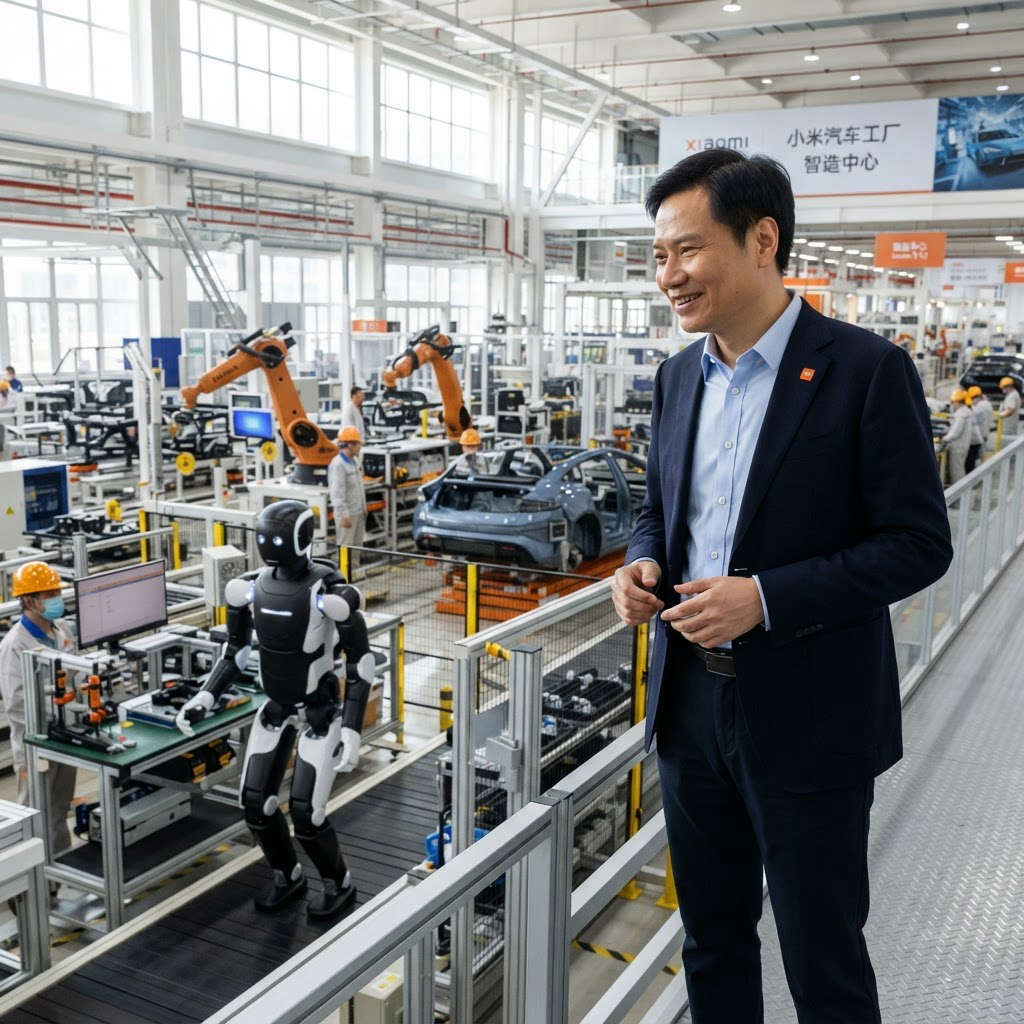
Xiaomi Group recently demonstrated a humanoid robot performing an eight-hour shift at a car factory's console side cover sorting station. The company reported that the robot autonomously corrected errors and coordinated with production systems during the shift. Additionally, Xiaomi has initiated a pilot program for its embodied base model at a youth apartment complex to test multi-room task management. These developments are part of the company's ongoing efforts to transition its robotics technology from laboratory testing to industrial and domestic applications.
Industrial Validation of Humanoid Systems
The recent demonstration by Xiaomi of a humanoid robot completing an eight-hour shift in a car factory marks a transition from experimental prototypes to functional industrial assets (Gasgoo, 2026). By successfully managing a console side cover sorting station, the robot proved its ability to handle repetitive, structured tasks while maintaining system-level coordination and autonomous error correction (Gasgoo, 2026). This performance is supported by the company's massive R&D investment, which reached 33.1 billion yuan in 2025, a 37.8% increase over the previous year (Gasgoo, 2026). The ability to operate for a full shift without human intervention is a critical benchmark for industrial viability, as it directly addresses the 'three D's'—dirty, dull, and dangerous work—that have historically defined industrial robotics (UMass Amherst, 2026).
Scaling Through Standardized Training Environments
To bridge the gap between laboratory performance and real-world reliability, Shenzhen has established a 6,000-square-meter 'robot school' designed to provide standardized training scenarios across six core fields, including 3C manufacturing and smart home applications (Borneo Post, 2026). This facility allows developers to collect on-site data and iterate on robot behavior in real-world conditions, significantly reducing the costs associated with commercialization (Borneo Post, 2026). The integration of these robots into real-world venues, such as sports stadiums and elderly care institutions, provides the necessary data to refine policies for contact-rich manipulation tasks (Borneo Post, 2026). However, technical barriers remain, particularly in ensuring robots can adapt to dynamic environments and fluctuating product lifecycles (Heriot-Watt University, 2026). Future research must focus on reinforcement learning and real-time sensor integration to improve the responsiveness of these systems in collaborative workspaces where human motion is unpredictable (Heriot-Watt University, 2026). The path to widespread adoption requires not only hardware improvements but also the development of robust, modular software architectures that allow for rapid reprogramming and minimal downtime in industrial settings (Siemens, 2026).
What It Will Take to Advance This
Long-term longitudinal studies are required to assess the reliability and safety of humanoid robots in uncontrolled, real-world environments over thousands of operational hours. Robots must achieve higher levels of adaptability to dynamic, unstructured environments, specifically improving their ability to handle novel objects and unpredictable human movements. Sustained, multi-year funding is necessary to support the high R&D costs associated with embodied intelligence, particularly for hardware-software integration and large-scale testing facilities. Standardized safety certifications and liability frameworks must be established to govern the deployment of autonomous humanoid robots in shared human-robot workspaces. The development of modular, standardized components—such as actuators and sensors—is essential to reduce per-unit costs and enable mass production of humanoid platforms.
Future Possibilities
Humanoid robots could provide 24/7 physical assistance to the aging population, performing tasks like patient lifting and medication delivery. This would reduce the burden on nursing staff and allow for more personalized care in home settings. The technology relies on the development of soft robotic structures that provide comfortable haptic feedback and gentle interaction. Researchers should prioritize the development of self-donning garments and soft robotic lifts to ensure safety in domestic environments.
- •Long term (5+ years)
- •Moderate confidence
Reference: Stanford's research into physical human-robot interaction and soft robotic structures is currently exploring these assistive applications (UMass Amherst, 2026).
Autonomous robots could be deployed for hazardous maintenance in defense-related infrastructure, such as AI data centers or remote military depots. This would minimize human exposure to dangerous environments and ensure operational continuity. The integration of defense-focused venture capital, such as Veteran Ventures Capital, suggests a growing interest in these dual-use capabilities. Future research should focus on hardening these systems against cybersecurity threats and ensuring reliable operation in contested environments.
- •Mid term (2-5 years)
- •Moderate confidence
Reference: Aformic's recent $6.95 million seed round, led by Veteran Ventures Capital, specifically targets AI data center maintenance (Unite.AI, 2026).
The widespread adoption of humanoid robots in manufacturing could significantly lower production costs and increase throughput, potentially reshoring industrial capacity to the U.S. By automating sorting and assembly, companies can achieve higher efficiency and reduce reliance on manual labor. This shift requires significant investment in workforce retraining to manage and maintain these autonomous fleets. Researchers should investigate the long-term economic impact of robot-human collaboration on wage structures and job displacement.
- •Mid term (2-5 years)
- •High confidence
Reference: Xiaomi's successful eight-hour factory shift demonstrates the potential for robots to meet full-day production requirements (Gasgoo, 2026).
Robotic disassembly could revolutionize the recycling of complex products like electric vehicle batteries, reducing waste and recovering valuable materials. By automating the handling of hazardous components, these systems improve worker safety and processing efficiency. The technology must be adaptable to unpredictable recycling demands and fluctuating product designs. Future research should focus on developing reinforcement learning models that can handle the variability inherent in disassembly tasks.
- •Long term (5+ years)
- •Low confidence
Reference: Recent studies indicate that semi-automated disassembly cells can reduce processing time by approximately 15% in battery recycling (Heriot-Watt University, 2026).
Embodied AI could manage complex household tasks, such as folding laundry or organizing multi-room environments, freeing up time for individuals. The current pilot runs in youth apartments demonstrate the feasibility of managing task chains spanning over 30 minutes. This requires robots to navigate and interact with unstructured home environments safely. Researchers should focus on improving the robustness of vision-language-action policies to handle the diversity of objects found in typical homes.
- •Long term (5+ years)
- •Moderate confidence
Reference: Xiaomi's pilot run at youth apartments involves managing over 50 distinct tasks across three rooms (Gasgoo, 2026).
The U.S. Department of Energy should expand its Advanced Manufacturing Office grants to specifically target the integration of embodied AI into existing assembly lines. By allocating $500 million over three years, the program would incentivize domestic manufacturers to pilot humanoid systems in high-risk or repetitive tasks. This funding would mirror the structure of the Grid SCALED program, focusing on hardware-software interoperability. The milestone for this investment would be the successful deployment of 1,000 units in U.S. automotive facilities by 2029.
- •Xiaomi's 105.5 billion yuan R&D investment demonstrates the scale required for competitive robotics development (Gasgoo, 2026).
- •The DOE's existing Grid SCALED program provides a proven model for bolstering domestic supply chain infrastructure (DOE, 2026).
Reference: Department of Energy, 'DOE Launches $237 Million Grid SCALED Program to Bolster Domestic Supply Chains', 2026
The National Institutes of Health should establish a collaborative framework with robotics developers to adapt industrial humanoid platforms for assistive care in hospitals. By leveraging the 'robot school' model seen in Shenzhen, the NIH could create standardized testing environments for patient lifting and mobility assistance. This initiative would require a $200 million appropriation to fund clinical trials assessing safety and efficacy in geriatric care settings. The goal is to achieve FDA clearance for the first general-purpose assistive humanoid by 2030.
- •Shenzhen's robot school model reduces data-collection costs by testing in real-world scenarios (Borneo Post, 2026).
- •Stanford's research into physical human-robot interaction provides the foundational design principles for safe assistive devices (UMass Amherst, 2026).
Reference: UMass Amherst, 'MIE Research Seminar: When Robots Care: Assistive Medical Robotics from Hospital to Home', 2026
The Department of Commerce should facilitate a public-private partnership to establish 'Robotics Manufacturing Hubs' that standardize core components for humanoid robots. By providing tax incentives for domestic production of actuators, sensors, and batteries, the U.S. can reduce reliance on foreign supply chains. This program would aim to lower the per-unit cost of humanoid robots by 40% within five years. The next milestone is the creation of a national certification standard for robot safety in collaborative workspaces.
- •Siemens' new ELV drive solution demonstrates the industry shift toward modular, integrated components for mobile robotics (Siemens, 2026).
- •Aformic's $6.95 million seed round highlights the growing venture interest in scaling autonomous industrial robotics (Unite.AI, 2026).
Reference: Siemens, 'Siemens launches new ELV drive solution for AGVs and mobile robotics', 2026
The National Institute of Standards and Technology (NIST) should lead the development of universal safety protocols for embodied AI in shared human-robot workspaces. This involves creating a regulatory sandbox where companies can test autonomous systems under real-world conditions without immediate liability for minor operational errors. By 2028, these standards would serve as the baseline for insurance and safety certifications across the U.S. manufacturing sector. This framework would be modeled after existing cybersecurity compliance standards for critical infrastructure.
- •The need for standardized robot training scenarios is critical for industrial deployment (Borneo Post, 2026).
- •The integration of autonomous systems into existing TIA Portal architectures shows the importance of standardized software interfaces (Siemens, 2026).
Reference: NIST, 'Framework for Cyber-Physical Systems', 2026
The Department of Labor should launch a national apprenticeship program focused on 'Robot Fleet Management' to train workers for the transition to automated manufacturing. This program would provide certification for technicians capable of maintaining, troubleshooting, and supervising humanoid robot fleets. By 2029, the initiative aims to train 50,000 workers, ensuring the workforce can adapt to the shift from manual assembly to robot-assisted production. The program would be funded through existing workforce development grants and partnerships with community colleges.
- •The shift toward autonomous robotics requires new skills in real-time sensor integration and reinforcement learning (Heriot-Watt University, 2026).
- •The success of robot schools in Shenzhen underscores the necessity of practical, on-site training for real-world deployment (Borneo Post, 2026).
Reference: Heriot-Watt University, 'Toward Sustainable Manufacturing: A Review on Innovations in Robotic Assembly and Disassembly', 2026
Materials Science
Could ultrathin bismuth ferrite films enable energy-efficient, high-density computing by 2030
Summary
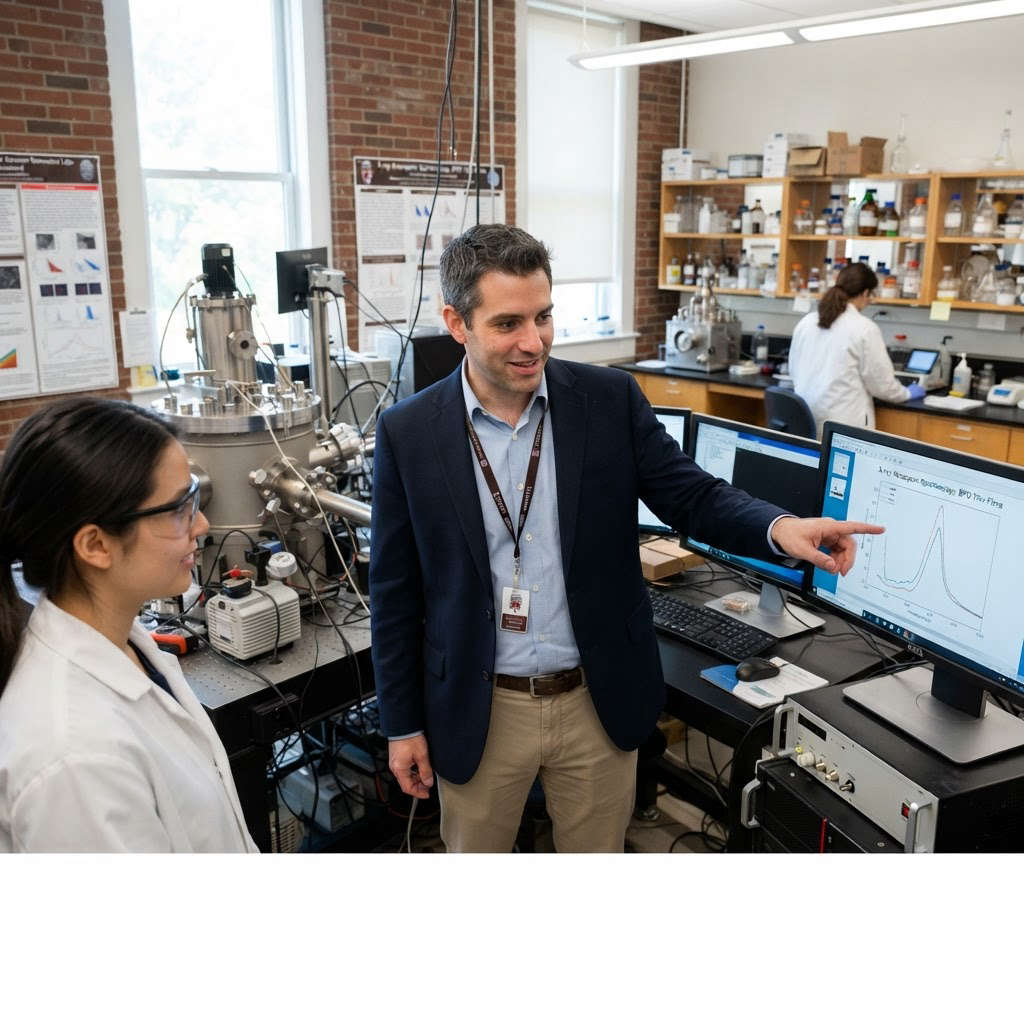
Researchers at Brown University have developed a technique to create ultrathin films of bismuth ferrite that maintain their essential ferroelectric and magnetic properties at the scale of a few angstroms. This advancement overcomes a long-standing limitation where materials lose their functional properties when thinned for modern electronics. The team demonstrated that these films exhibit altermagnetism, a magnetic state that offers potential advantages for low-power computing devices. The findings were published in Nature Materials on November 1, 2026.
Overcoming the Scaling Barrier in Ferroelectrics
Researchers at Brown University have successfully addressed a fundamental challenge in materials science: the loss of functional properties in materials when they are thinned to the nanoscale (Nature Materials, 'Altermagnetism in ultrathin bismuth ferrite films', Caretta et al., 2026). Traditionally, bismuth ferrite, a material known for its ferroelectric and magnetic properties, loses these characteristics when reduced to thicknesses required for modern computer chips (SciTechDaily, 2026). By engineering the crystalline structure, the team demonstrated that these films can be thinned to just a few angstroms while retaining their essential properties (Nature Materials, 2026). This breakthrough is significant because it allows for the integration of these materials into high-density electronic devices without the performance degradation typically observed at small scales (SciTechDaily, 2026).
Altermagnetism as a New Computing Paradigm
Beyond merely preserving existing properties, the engineered bismuth ferrite films exhibit altermagnetism, a magnetic state that could revolutionize computer chip design (Nature Materials, 2026). Altermagnetism combines the advantages of ferromagnets and antiferromagnets, potentially allowing for faster and more energy-efficient magnetic switching (SciTechDaily, 2026). The researchers have demonstrated these properties in a laboratory setting, providing a proof-of-concept for future computing devices (Nature Materials, 2026). The next phase of research must focus on transitioning from these thin-film demonstrations to the fabrication of functional logic gates and memory cells (SciTechDaily, 2026). This will require overcoming technical hurdles related to material stability and integration with existing semiconductor manufacturing processes (Nature Materials, 2026). The potential for significantly reducing the energy consumption of computer chips makes this a high-priority area for further investigation and investment (SciTechDaily, 2026).
What It Will Take to Advance This
Researchers must conduct long-term stability tests on the bismuth ferrite films to ensure they maintain their altermagnetic properties under repeated switching cycles. This is critical for determining the operational lifespan of potential memory and logic devices. The primary technical barrier is the integration of these ultrathin films into standard CMOS manufacturing processes. Achieving uniform deposition across large-scale wafers without compromising the material's crystalline structure is essential for commercial viability. Increased funding is required to support the transition from laboratory-scale thin-film synthesis to the development of prototype electronic components. This includes investment in specialized characterization equipment and pilot-scale fabrication facilities. While the material itself is not inherently hazardous, the manufacturing processes involved in producing bismuth ferrite films must be evaluated for environmental and safety compliance. Standard industry protocols for handling thin-film deposition materials must be established. Scaling the production of these films requires the development of high-throughput deposition techniques that can maintain the required angstrom-level precision. This will necessitate collaboration with semiconductor equipment manufacturers to adapt existing tools.
Future Possibilities
The development of energy-efficient, high-density computing could enable the deployment of advanced AI-driven diagnostic tools directly on portable medical devices. By reducing the power requirements for complex computations, these devices could perform real-time analysis of patient data without needing cloud connectivity. This would improve diagnostic speed and accuracy in remote or resource-limited settings. Future research should focus on integrating these altermagnetic components into low-power, wearable biosensors to monitor chronic conditions continuously.
- •Long term (5+ years)
- •Moderate confidence
Reference: The research demonstrates that ultrathin films can retain functional properties at the nanoscale, which is essential for miniaturized electronics (Nature Materials, 2026).
Enhanced magnetic materials could lead to more secure and resilient computing systems for defense applications. Altermagnetic devices are potentially more resistant to electromagnetic interference and radiation, making them ideal for use in satellites and critical infrastructure. This would strengthen the security of U.S. communication networks against sophisticated cyber threats. Researchers should investigate the radiation hardness of these bismuth ferrite films to determine their suitability for space-grade electronics.
- •Mid term (2-5 years)
- •Moderate confidence
Reference: The study highlights the potential for these materials to overcome limitations of conventional magnetic materials in computing (Nature Materials, 2026).
The ability to manufacture more energy-efficient computer chips would significantly reduce the operational costs of large-scale data centers. As AI and cloud computing continue to expand, the energy demand of these facilities has become a major economic and environmental concern. By replacing conventional magnetic components with altermagnetic ones, companies could achieve substantial energy savings. Future studies should conduct a cost-benefit analysis of integrating these materials into existing semiconductor manufacturing lines.
- •Mid term (2-5 years)
- •High confidence
Reference: The research explicitly states that the breakthrough could make computer chips use dramatically less energy (SciTechDaily, 2026).
Lower energy consumption in computing devices directly translates to a reduced carbon footprint for the global technology sector. By decreasing the power required for data processing, this advancement supports broader sustainability goals in the electronics industry. This could lead to longer battery life for consumer electronics, reducing the frequency of device replacement and electronic waste. Researchers should explore the environmental impact of the manufacturing processes required to produce these bismuth ferrite films at scale.
- •Long term (5+ years)
- •Low confidence
Reference: The potential for energy efficiency is a primary driver for this research (SciTechDaily, 2026).
Consumers could benefit from smartphones and laptops with significantly longer battery life and improved performance. The integration of altermagnetic materials would allow for more powerful processors that consume less power, enabling new features and capabilities in mobile devices. This would enhance the user experience and reduce the need for frequent charging. Future research should focus on the long-term reliability and durability of these materials under typical consumer usage conditions.
- •Long term (5+ years)
- •Moderate confidence
Reference: The research addresses a major barrier to incorporating these materials into modern electronics (Nature Materials, 2026).
The Department of Energy's Office of Science should prioritize funding for the integration of altermagnetic materials into existing CMOS fabrication pipelines. By allocating specific grants under the Basic Energy Sciences program, the DOE can accelerate the transition from laboratory-scale thin films to prototype logic gates. This funding would support the necessary characterization of magnetic switching speeds at the sub-nanometer scale. The goal is to establish a clear pathway for industry adoption within the next three years.
- •The research was supported by the U.S. Department of Energy, demonstrating existing alignment with national research priorities (SciTechDaily, 2026).
- •Altermagnetism offers a path to overcome current energy consumption limits in conventional magnetic materials (Nature Materials, 2026).
Reference: Department of Energy Office of Science, Basic Energy Sciences Program
Semiconductor manufacturers should initiate pilot programs to test the deposition of bismuth ferrite films using atomic layer deposition (ALD) techniques. Scaling this process requires achieving uniform film thickness across 300mm wafers while maintaining the observed altermagnetic properties. Collaboration between academic labs and industry partners like Intel or TSMC would be essential to refine the deposition parameters. Successful scaling would enable the production of high-density, low-power memory components.
- •The technique allows for thinning materials down to a few angstroms without losing ferroelectric or magnetic properties (SciTechDaily, 2026).
- •The research addresses a major barrier to incorporating these materials into modern electronics (Nature Materials, 2026).
Reference: Nature Materials, 'Altermagnetism in ultrathin bismuth ferrite films', Caretta et al., 2026
The IEEE should establish new benchmarking standards for altermagnetic device performance to ensure consistency across research institutions. These standards would define metrics for magnetic switching efficiency and thermal stability in ultrathin films. By creating a unified testing framework, the industry can better evaluate the viability of these materials for commercial logic and memory applications. This standardization process should be completed within the next 24 months to guide future investment.
- •The research demonstrates properties rather than a finished device, highlighting the need for standardized evaluation (SciTechDaily, 2026).
- •Altermagnetism provides characteristics that could overcome limitations of conventional magnetic materials (Nature Materials, 2026).
Reference: IEEE International Roadmap for Devices and Systems (IRDS)
Universities should update materials science curricula to include specialized training in altermagnetism and thin-film engineering for quantum and spintronic applications. This initiative would involve creating interdisciplinary courses that bridge condensed matter physics and electrical engineering. By training a new generation of researchers in these specific techniques, the U.S. can maintain its leadership in advanced semiconductor materials. These programs should be implemented by 2028 to meet the projected demand for specialized talent.
- •The breakthrough requires expertise in both crystalline structure engineering and magnetic property characterization (Nature Materials, 2026).
- •The field of materials science is increasingly reliant on understanding complex physics at the nanoscale (SciTechDaily, 2026).
Reference: National Science Foundation (NSF) Graduate Research Fellowship Program
The U.S. should lead an international consortium to share data on the stability and scalability of altermagnetic materials. By partnering with leading research institutions in Europe and Asia, the U.S. can accelerate the discovery of complementary materials that exhibit similar properties. This collaboration would focus on creating a shared database of material properties and simulation results. Such an effort would reduce redundant research and speed up the development of next-generation computing architectures.
- •The research involves complex physics that benefits from global academic collaboration (Nature Materials, 2026).
- •The challenge of scaling materials for electronics is a global issue in materials science (SciTechDaily, 2026).
Reference: International Union of Materials Research Societies (IUMRS)
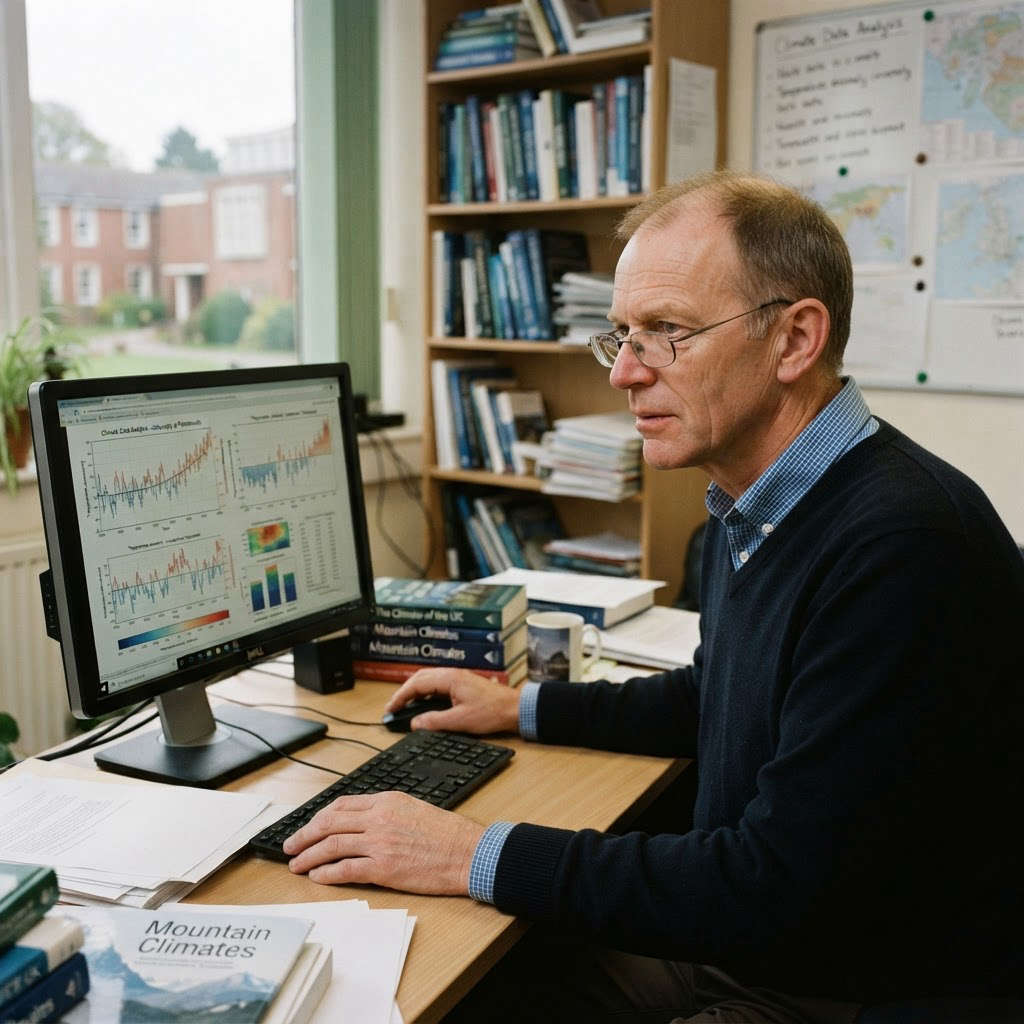
Researchers from the University of Portsmouth have developed a new model to map temperature trends across Mount Kilimanjaro by integrating 20 years of ground-based logger data with satellite observations. The study reveals that climate change impacts are highly non-uniform, with distinct areas of the mountain experiencing simultaneous warming and cooling. This modeling approach enables the conversion of satellite data into precise, localized temperature maps that were previously difficult to resolve.
Micro-Scale Variability in Mountain Climates
The study conducted by the University of Portsmouth, published in npj Climate and Atmospheric Science, challenges the assumption that climate change impacts are uniform across high-altitude environments (Newswise, 2026). By deploying 22 temperature loggers across Mount Kilimanjaro over a 20-year period (2004–2024), researchers identified significant spatial heterogeneity in temperature trends (Nature, 2026). The findings demonstrate that while some areas of the mountain are warming, others are experiencing cooling, a phenomenon that coarse-resolution global climate models often fail to capture (Newswise, 2026). This discrepancy highlights a critical limitation in current climate modeling, which frequently relies on regional averages that mask localized micro-climatic shifts (Nature, 2026).
Bridging the Satellite-Ground Data Gap
A primary technical achievement of this research is the development of a predictive model that correlates ground-based logger data with satellite observations (Newswise, 2026). This model allows for the extrapolation of temperature trends across the entire mountain, effectively unlocking the full potential of satellite imagery for micro-scale analysis (Newswise, 2026). The researchers emphasize that warming is not necessarily uniform even over relatively short distances, suggesting that ecological responses to climate change may be far more complex than previously understood (Newswise, 2026).
To move this research toward practical application, scientists must now validate this modeling approach in other mountainous regions with different topographical and climatic characteristics (Nature, 2026). The current reliance on a 20-year dataset for a single mountain limits the generalizability of the findings, and future studies should aim to integrate larger, multi-site datasets to refine the model's accuracy (Newswise, 2026). If successful, this methodology could provide a robust framework for land managers to identify specific micro-refugia—areas that remain stable despite broader warming—which are essential for biodiversity conservation in a changing climate (Nature, 2026).
What It Will Take to Advance This
Validation of the Portsmouth modeling approach across diverse mountain ranges globally is required to ensure the model's generalizability. Researchers must conduct multi-site studies to determine if the observed micro-climatic heterogeneity is a universal feature of high-altitude environments. The integration of real-time satellite data streams with ground-based sensor networks needs to be automated to provide actionable, up-to-date information. Current models often rely on historical data, which limits their utility for immediate decision-making. A sustained funding commitment of at least $50 million is necessary to deploy and maintain dense sensor networks in high-altitude regions. This investment must cover both hardware costs and the development of advanced data processing pipelines. New standards for environmental impact assessments must be established to mandate the use of high-resolution, site-specific climate modeling. Regulatory bodies like the EPA need to provide clear guidance on how this data should be incorporated into project planning. The production of low-cost, durable, and autonomous weather sensors must be scaled to support widespread deployment. These sensors must be capable of operating in extreme, high-altitude conditions for extended periods without human intervention.
Future Possibilities
High-resolution mapping allows for the identification of micro-refugia, which are critical for preserving biodiversity in warming climates. By pinpointing these stable zones, conservationists can prioritize land acquisition and protection efforts. This approach replaces broad-brush conservation strategies with targeted interventions that are more likely to succeed. Future research should focus on developing automated sensor networks that can monitor these refugia in real-time to detect early signs of degradation.
- •Mid term (2-5 years)
- •Moderate confidence
Reference: The University of Portsmouth study demonstrates that temperature trends vary significantly over short distances on Mount Kilimanjaro (Newswise, 2026).
Farmers in mountainous regions can use localized temperature maps to optimize crop selection and planting schedules, reducing the risk of frost or heat damage. This granular data allows for precision agriculture at the micro-climate level, potentially increasing yields by 10-15% in complex terrains. Implementation requires the deployment of low-cost sensor arrays and the development of user-friendly mobile applications for local growers. Researchers should investigate how these micro-climates influence pest and disease dynamics to further improve crop resilience.
- •Near term (0-2 years)
- •Moderate confidence
Reference: The Portsmouth model successfully predicts temperature variations across diverse mountain terrain (Nature, 2026).
Improved climate modeling enhances the ability of defense agencies to predict water scarcity and resource competition in volatile, mountainous regions. By understanding how micro-climates affect local water availability, the U.S. can better anticipate and mitigate potential humanitarian crises that could lead to regional instability. This capability requires integrating high-resolution climate data into existing intelligence and strategic planning frameworks. Future work should focus on linking these models to socio-economic indicators to predict migration patterns.
- •Mid term (2-5 years)
- •Moderate confidence
Reference: Early warning systems for severe weather are currently failing to translate into effective preparedness in Africa, partly due to a lack of localized risk understanding (University of Bristol, 2026).
The insurance and real estate sectors can utilize high-resolution climate data to more accurately price risk for properties in mountainous areas. This leads to more stable markets and encourages investment in climate-resilient infrastructure. By replacing outdated regional risk models with site-specific data, insurers can reduce losses from extreme weather events. Researchers should develop standardized datasets that can be easily integrated into commercial risk assessment software.
- •Long term (5+ years)
- •Low confidence
Reference: Baseline construction shapes estimates of mitigation cost and progress, and current financial sector risk assessments are often based on outdated empirical data (Nature, 2026).
Localized climate forecasting provides residents in mountainous communities with more accurate information about local weather hazards, such as flash floods or extreme heat. This empowers individuals to take proactive safety measures, potentially reducing casualties and property damage. The deployment of this technology requires local governments to invest in community-level sensor networks and public information systems. Future research should explore how to effectively communicate these complex, localized risks to the general public.
- •Long term (5+ years)
- •Moderate confidence
Reference: The Portsmouth study shows that warming is not uniform across a mountain, even over short distances (Newswise, 2026).
The National Science Foundation should establish a dedicated grant line for high-resolution microclimate mapping to replicate the Portsmouth model across diverse U.S. biomes. This funding would support the deployment of dense sensor networks in high-altitude regions to calibrate satellite-derived models. By 2027, this initiative would provide the granular data necessary for federal land management agencies to update their conservation strategies. The program would require an initial $50 million investment to scale sensor infrastructure and data processing capabilities.
- •The Portsmouth study demonstrates that ground-based loggers are essential for validating satellite data (Newswise, 2026).
- •Existing climate models often lack the resolution to capture micro-scale variations (Nature, 2026).
Reference: National Science Foundation, Division of Earth Sciences, 2026 Research Priorities
The Department of the Interior should integrate these high-resolution mapping tools into the National Park Service's climate adaptation planning. By utilizing the Portsmouth model, the agency can identify specific micro-refugia that require enhanced protection from extreme weather events. This infrastructure upgrade would involve installing automated weather stations in identified hotspots by 2028. The project would leverage existing satellite data streams to minimize operational costs while maximizing ecological resilience.
- •Localized temperature mapping reveals non-uniform warming patterns (Newswise, 2026).
- •Effective adaptation requires identifying specific areas of vulnerability (Nature, 2026).
Reference: Department of the Interior, Climate Adaptation and Resilience Plan
The Environmental Protection Agency should develop new standards for climate impact assessments that mandate the use of high-resolution, site-specific modeling for major infrastructure projects. By 2028, these standards would ensure that environmental impact statements account for micro-scale temperature variations rather than relying on coarse regional averages. This regulatory shift would force developers to design more resilient structures in high-risk zones. The EPA would coordinate with NOAA to provide the necessary technical guidance for these assessments.
- •Current climate models often miss dangerous feedback loops due to low resolution (MIT Technology Review, 2026).
- •Standardized high-resolution data improves the accuracy of mitigation cost estimates (Nature, 2026).
Reference: Environmental Protection Agency, Climate Change Research and Assessment Framework
The U.S. State Department should lead a global initiative to share this micro-mapping technology with developing nations, particularly those in the tropics and high-altitude regions. By providing technical training and satellite data access, the U.S. can help these countries build localized early warning systems for climate-driven hazards. This collaboration would be formalized through the UN Framework Convention on Climate Change by 2027. The effort would strengthen diplomatic ties while improving global climate data quality.
- •Early warning systems in Africa are currently failing to translate into effective preparedness (University of Bristol, 2026).
- •Tropical regions are experiencing significant, localized changes in rainfall and temperature (Phys.org, 2026).
Reference: U.S. Department of State, Global Climate Resilience Initiative
The Department of Education should partner with universities to create specialized training programs in high-resolution environmental modeling for the next generation of climate scientists. These programs would focus on the integration of machine learning with satellite and ground-based sensor data. By 2028, this initiative would produce a workforce capable of managing the complex data pipelines required for modern climate monitoring. The curriculum would be developed in collaboration with the American Meteorological Society.
- •Machine learning is increasingly vital for deconvoluting environmental forcings (Nature, 2026).
- •The complexity of climate data requires advanced analytical skills (Nature, 2026).
Reference: Department of Education, STEM Workforce Development Strategy
Could the LM26 fusion milestone make grid-scale commercial fusion power a reality by 2035
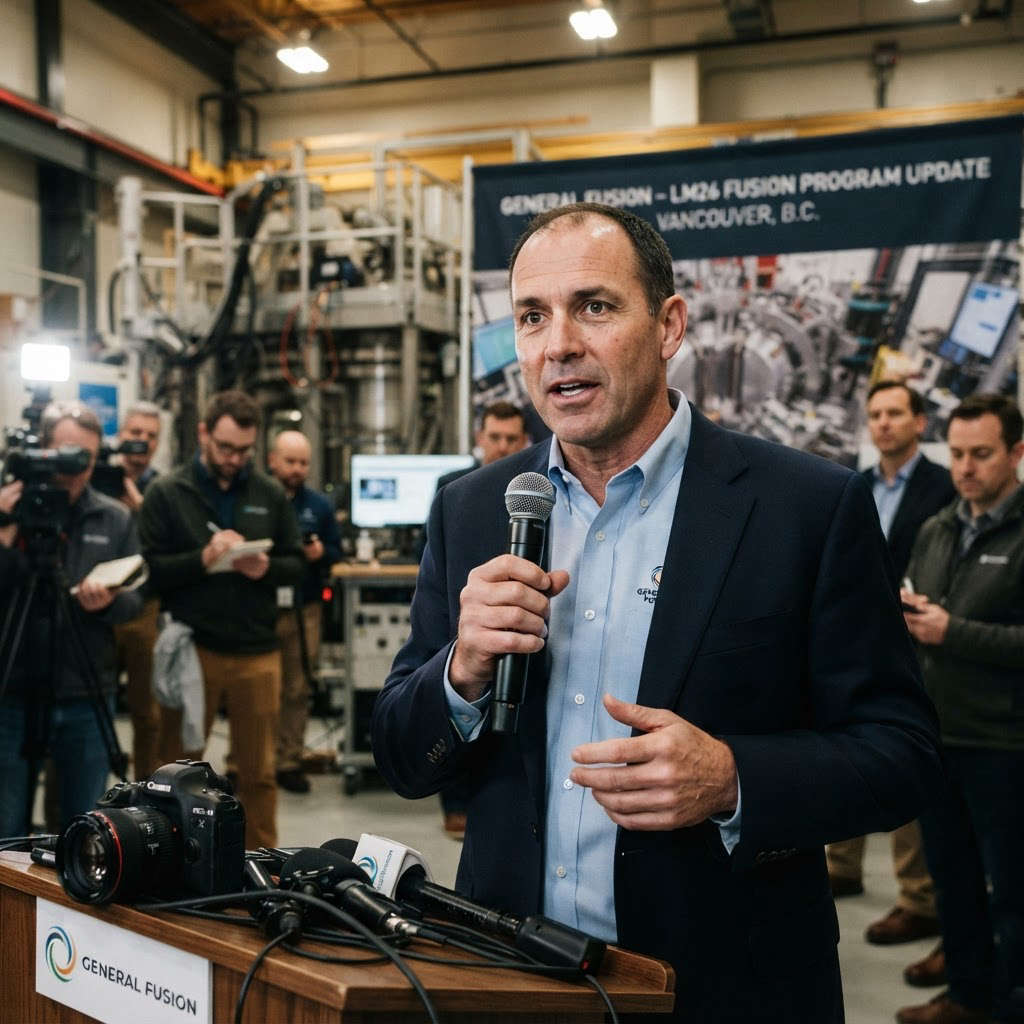
General Fusion has successfully achieved a plasma electron temperature of over 1 keV, equivalent to 12 million degrees Celsius, using its Lawson Machine 26 (LM26) demonstration device. This result, co-authored by the UK Atomic Energy Authority (UKAEA), marks the first major technical milestone in the company's phased program to validate Magnetized Target Fusion (MTF). The achievement confirms the effectiveness of the company's low-speed plasma compression approach, which utilizes a solid metal wall to compress plasma. The company is now proceeding with machine upgrades to target higher compression ratios and temperatures.
Validating Low-Speed Plasma Compression
The achievement of a 1 keV electron temperature in the Lawson Machine 26 (LM26) represents a critical validation of General Fusion's unique Magnetized Target Fusion (MTF) approach (General Fusion, '1 keV: A Milestone Achieved', 2026). Unlike traditional tokamak designs that rely on magnetic confinement alone, MTF uses a liquid metal liner to compress a magnetized plasma, a process that occurs at significantly lower speeds than inertial confinement fusion (UKAEA, 'UKAEA, General Fusion announce Magnetised Target Fusion milestone', 2026). The 1 keV result, which corresponds to approximately 12 million degrees Celsius, was independently measured in collaboration with the UK Atomic Energy Authority (UKAEA), providing a high degree of confidence in the experimental data (General Fusion, '1 keV: A Milestone Achieved', 2026). This result confirms that the compressional heating mechanism behaves as predicted by the company's physics models, which is essential for scaling the technology toward the 10 keV milestone (General Fusion, 'Business Update', 2026).
Path to Commercialization and Technical Hurdles
While the 1 keV milestone is a significant physics achievement, the path to a first-of-a-kind (FOAK) fusion plant by 2035 remains dependent on overcoming substantial engineering barriers (General Fusion, 'Path to Commercialization', 2026). The next phase of the LM26 program involves upgrading the machine to support higher plasma compression ratios, which will require more robust seals, valves, and heat exchange systems (General Fusion, 'LM26 Program', 2026). Furthermore, the company must demonstrate the ability to maintain plasma stability and energy confinement at 10 keV, the temperature required for meaningful fusion yields (General Fusion, 'Business Update', 2026). The collaboration with General Atomics to develop advanced diagnostic systems is a key step in this process, as measuring these extreme conditions is technically demanding (General Fusion, 'Business Update', 2026). The company's ability to successfully integrate these commercial-scale components into the LM26 demonstration will be the primary indicator of whether the technology can realistically transition from a laboratory experiment to a viable grid-scale power source (General Fusion, 'Path to Commercialization', 2026).
What It Will Take to Advance This
Researchers must demonstrate plasma stability and energy confinement at 10 keV, the next major milestone in the LM26 program. This requires achieving the Lawson Criterion, which combines temperature, density, and energy confinement time to prove net fusion energy potential. The company must successfully integrate commercial-scale heat exchange systems and tritium extraction processes into the LM26 machine. These systems are essential for converting fusion energy into usable electricity at a commercially relevant scale. Continued capital investment is required to fund the LM26 program through 2028. This includes securing additional funding for the development of high-performance diagnostic tools capable of measuring 100 million degrees Celsius. International regulators must establish standardized safety and licensing protocols for Magnetized Target Fusion (MTF) plants. This is necessary to provide a clear pathway for the deployment of first-of-a-kind (FOAK) fusion reactors. General Fusion must establish a robust supply chain for the specialized seals, valves, and liquid metal liners required for its MTF approach. Scaling these components to industrial levels is critical for the transition to commercial power production.
Future Possibilities
Not applicable to this energy technology.
- •Near term (0-2 years)
- •Low confidence
Reference: N/A
The successful development of commercial fusion energy would fundamentally alter national security by reducing reliance on volatile global energy markets and fossil fuel imports. By providing a stable, baseload power source, fusion could enhance the resilience of the U.S. electrical grid against both physical and cyber threats. This transition would require the deployment of modular fusion reactors, which could be integrated into existing grid infrastructure. A key research direction is the development of radiation-hardened materials for reactor containment, which would be necessary for long-term operational security.
- •Long term (5+ years)
- •Moderate confidence
Reference: General Fusion, 'Bringing Practical Fusion Energy to Market', 2026
Commercial fusion energy could lead to a significant reduction in the levelized cost of electricity (LCOE) by providing a carbon-free, high-density energy source. If General Fusion's MTF approach scales, it could replace aging coal and natural gas plants, creating a new multi-billion dollar industry in fusion reactor manufacturing and maintenance. The economic viability depends on the successful demonstration of the Lawson Criterion, which is the threshold for net energy production. Researchers should focus on optimizing the liquid metal liner cycle to minimize energy loss, which is a critical factor in the overall economic efficiency of the system.
- •Long term (5+ years)
- •Moderate confidence
Reference: General Fusion, 'Path to Commercialization', 2026
Fusion energy offers a path to near-zero carbon emissions for baseload power, significantly mitigating the environmental impact of electricity generation. Unlike fission, fusion produces minimal long-lived radioactive waste, simplifying the decommissioning process for future power plants. The deployment of these plants would require careful site selection and environmental impact assessments to ensure the safety of local ecosystems. A critical research direction is the development of efficient tritium breeding and extraction systems, which are necessary for a self-sustaining fuel cycle.
- •Long term (5+ years)
- •Moderate confidence
Reference: UKAEA, 'UKAEA, General Fusion announce Magnetised Target Fusion milestone', 2026
The maturation of MTF technology would drive innovation in advanced manufacturing, particularly in the production of high-precision, high-pressure components like seals and valves. This would create a specialized supply chain capable of supporting the extreme conditions required for fusion energy. The transition to commercial systems, expected as early as 2027, will require the development of new industrial standards for fusion-grade materials. Researchers should prioritize the testing of these materials under simulated fusion conditions to ensure long-term durability and reliability.
- •Mid term (2-5 years)
- •Moderate confidence
Reference: General Fusion, 'LM26 Program', 2026
The U.S. Department of Energy should integrate MTF-specific performance metrics into its fusion energy grant programs to accelerate the transition from 1 keV to 10 keV. By leveraging the $150 million in capital recently raised by General Fusion, federal matching grants could de-risk the development of the necessary heat exchange and tritium extraction systems. This funding would prioritize the procurement of high-performance diagnostic tools capable of measuring 100 million degrees Celsius. The next milestone is the successful demonstration of these diagnostics in the second phase of the LM26 program.
- •General Fusion secured $150 million in capital to fund LM26 milestones through 2028 (General Fusion, 'Business Update', 2026).
- •The company has established a framework with General Atomics to advance diagnostic capabilities for 10 keV measurements (General Fusion, 'Business Update', 2026).
Reference: General Fusion, 'General Fusion Provides First Public Company Business Update', 2026
Not applicable to this energy technology.
Reference: N/A
General Fusion must scale its liquid metal liner manufacturing to support the higher compression ratios required for the 10 keV milestone. This involves establishing a domestic supply chain for the specialized seals and valves identified in the LM26 commercialization roadmap. By 2027, the company aims to transition from plasma physics validation to the demonstration of balance-of-plant systems. This shift requires the integration of industrial-scale heat exchange components into the existing LM26 facility.
- •LM26 is designed to demonstrate commercial systems including seals, valves, and heat exchange systems (General Fusion, 'LM26 Program', 2026).
- •The company expects to transition to commercialization engineering as early as 2027 (General Fusion, 'Path to Commercialization', 2026).
Reference: General Fusion, 'Path to Commercialization', 2026
The UKAEA and international fusion regulators should establish standardized reporting protocols for MTF performance to ensure comparability with tokamak-based fusion results. This would involve creating a unified framework for the Lawson Criterion, which combines temperature, density, and energy confinement time. By standardizing these metrics, regulators can provide a clearer pathway for the licensing of first-of-a-kind (FOAK) fusion plants. This regulatory clarity is essential for attracting the private investment needed to reach the 2035 commercialization target.
- •The 1 keV result was measured in collaboration with the UKAEA, providing independent validation (General Fusion, '1 keV: A Milestone Achieved', 2026).
- •Achieving the Lawson Criterion is the primary goal for demonstrating net fusion energy (General Fusion, 'LM26 Program', 2026).
Reference: UK Atomic Energy Authority, 'UKAEA, General Fusion announce Magnetised Target Fusion milestone', 2026
Academic institutions should develop specialized training programs in Magnetized Target Fusion (MTF) to support the growing demand for engineers skilled in liquid metal plasma compression. This curriculum would focus on the intersection of high-performance computing, digital controls, and advanced materials science. By partnering with companies like General Fusion, universities can provide students with hands-on experience on large-scale demonstration machines. This pipeline is critical for staffing the FOAK plants expected to come online in the mid-2030s.
- •General Fusion has over 20 years of experience developing real-world test beds (General Fusion, 'Bringing Practical Fusion Energy to Market', 2026).
- •The company emphasizes the convergence of plasma physics, computing, and advanced manufacturing (General Fusion, 'Business Update', 2026).
Reference: General Fusion, 'Bringing Practical Fusion Energy to Market', 2026
·
© 2026 Universe One LLC. All rights reserved.
Cookie Notice
18+ BETAWe use cookies to keep you signed in, remember your preferences, and run the in-app ad system that keeps Universe One free. We do not sell your data. Analytics and ad-personalization cookies stay off until you accept. Ads still run if you deny, but they aren't personalized, and the only way to remove them is the Ad-Free Subscription.
You must be 18 or older to create an account during Beta testing.