Humanitarian Crises & Foreign Aid
UN Warns of Escalating Drone Attacks Disrupting Humanitarian Aid in Sudan
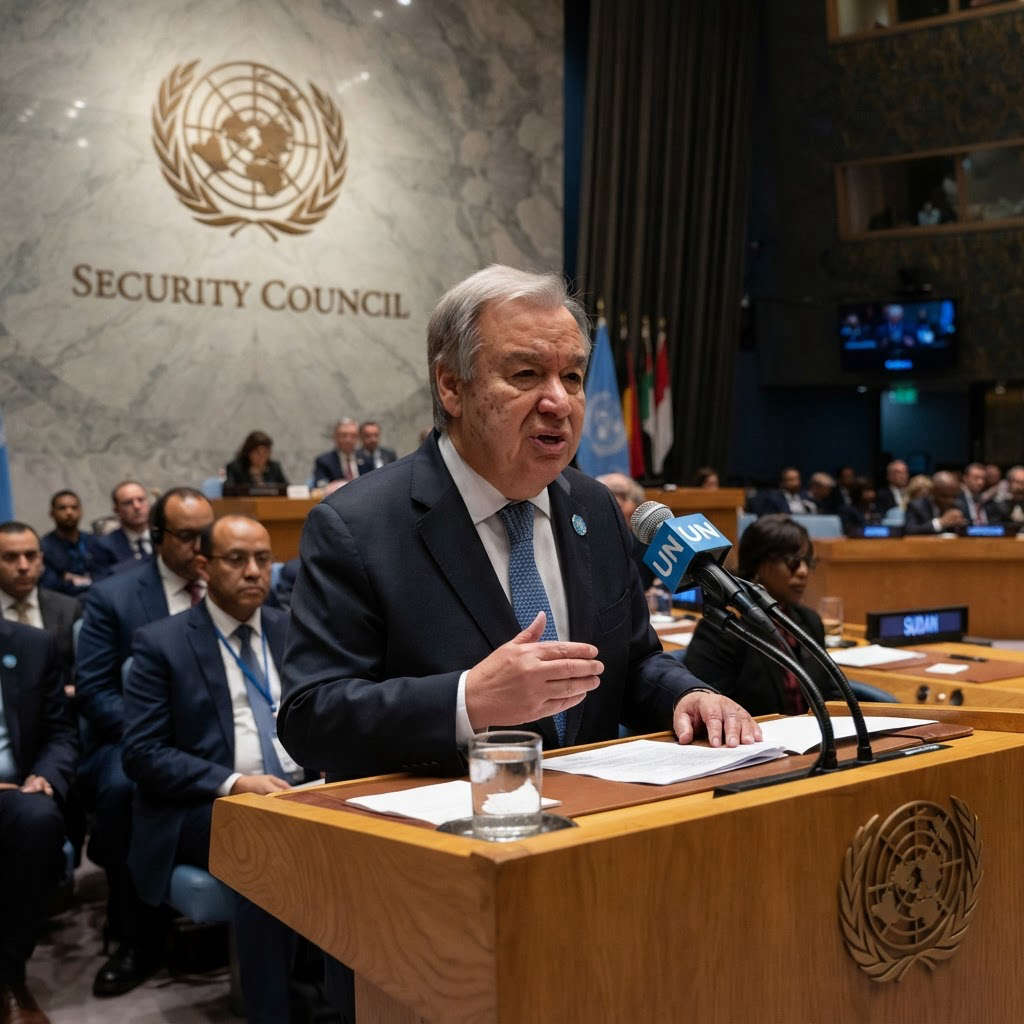
The United Nations has issued a stark warning regarding the intensification of drone strikes across Sudan, which are systematically targeting civilian infrastructure including electricity, water, and fuel supplies. These attacks have severely hampered the delivery of humanitarian aid, leaving hundreds of aid trucks stranded due to critical fuel shortages. UN officials emphasize that these actions constitute violations of international humanitarian law and are exacerbating an already catastrophic displacement and hunger crisis. The international community is being urged to prioritize the protection of civilians and ensure safe, unimpeded access for aid organizations.
The primary actors involved in the current escalation are the rival military factions within Sudan, whose ongoing civil conflict has created a severe humanitarian crisis. The United Nations, specifically the Office for the Coordination of Humanitarian Affairs (OCHA), the World Food Programme (WFP), and the UN Secretary-General António Guterres, are the key international entities attempting to coordinate aid and advocate for civilian protection. Local non-governmental organizations and international aid partners are also on the ground, struggling to maintain operations amidst the violence.
The situation involves the systematic use of drone strikes against civilian infrastructure, including power grids, water facilities, and fuel depots. These attacks have resulted in significant civilian casualties and have effectively paralyzed the humanitarian aid supply chain. The UN has warned that the entire humanitarian system in Sudan is at risk of collapse due to these disruptions and persistent funding shortfalls.
The conflict and the resulting humanitarian crisis are concentrated across Sudan, with specific reports of drone strikes and displacement in North Darfur, West Darfur, the Blue Nile state, and West Kordofan. The crisis also has significant regional implications, affecting neighboring countries as displaced populations flee across borders.
The conflict has been ongoing since 2023, but the most recent developments involve a significant escalation in drone attacks reported throughout late October and early November 2026. The UN issued urgent warnings regarding the potential collapse of the humanitarian system as recently as November 3, 2026.
The stated motivations for the conflict remain rooted in the power struggle between the rival military factions. The targeting of infrastructure is a strategic tactic intended to weaken the opposition by depriving them of resources, though the humanitarian cost is catastrophic. The international community's inability to secure a lasting ceasefire or ensure humanitarian access is driven by the parties' refusal to engage in good faith mediation.
The humanitarian response is managed through the UN's 2026 Humanitarian Needs and Response Plan, which requires billions in funding to address the needs of millions of people. Aid is delivered through a combination of road and air services, though both are severely restricted by insecurity and the destruction of infrastructure. The UN relies on the Central Emergency Response Fund (CERF) and contributions from international donors to sustain these operations, but the current funding gap remains a critical constraint.
Sources
Topics
- Universe One
- Humanitarian Crises & Foreign Aid
- warns
- escalating
- drone
- attacks
- disrupting
- humanitarian
- sudan