Latin America & the Caribbean
Brazil Central Bank Pauses Interest Rate Cuts Amid Fiscal Uncertainty
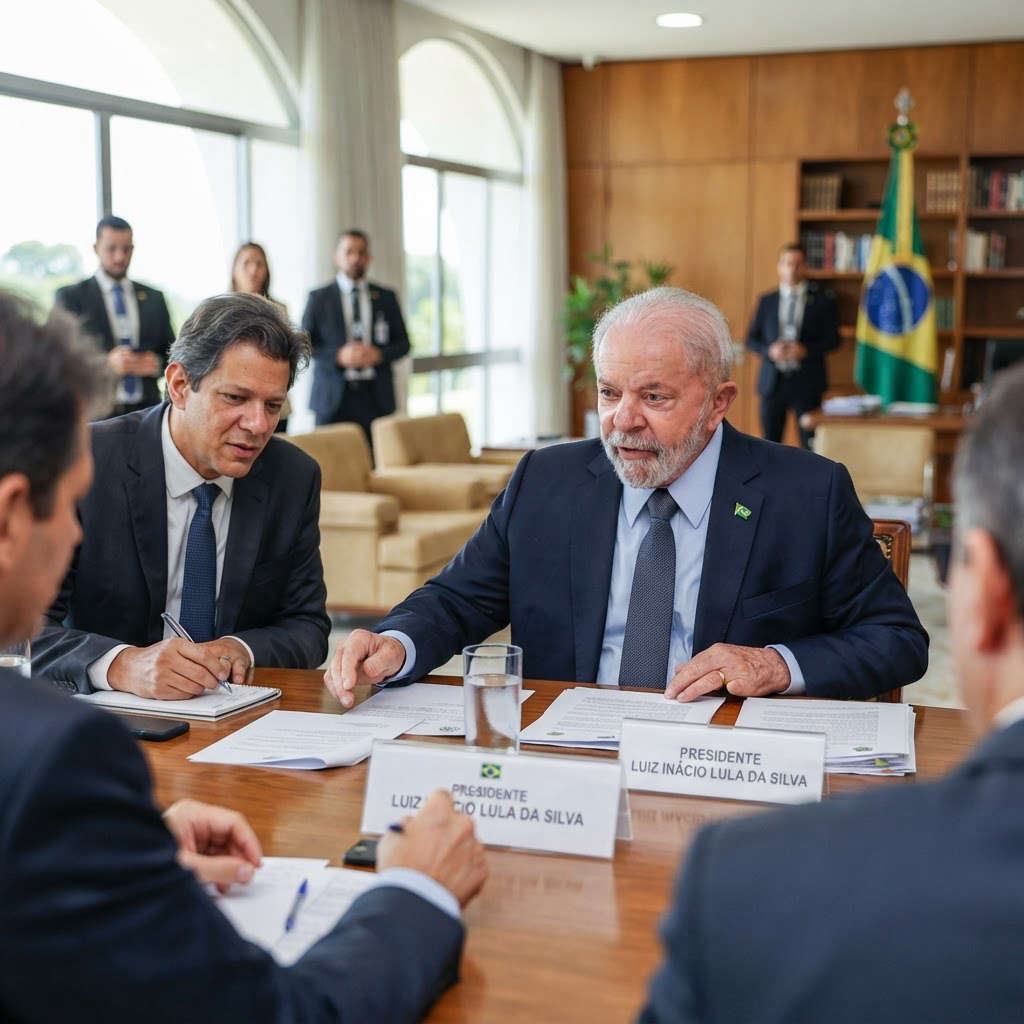
Brazil's central bank has paused its cycle of interest rate cuts, maintaining the benchmark Selic rate at 13.75%. The decision follows a period of market volatility and concerns regarding fiscal policy and inflation expectations following the recent presidential election. Policymakers have indicated a need for a cautious monetary approach in response to these economic conditions. The government continues to evaluate fiscal measures to manage public debt and economic stability.
Key actors include President Luiz Inácio Lula da Silva, who is navigating his fourth term; Finance Minister Dario Durigan, who is managing the government's economic messaging; and the Central Bank of Brazil (Copom), which is responsible for monetary policy. Additionally, influential economists like Lara Resende have proposed radical monetary shifts, while internal factions within the Workers' Party (PT) and presidential advisors are resisting austerity measures.
The Central Bank of Brazil has halted its cycle of interest rate cuts, maintaining the Selic benchmark rate at 13.75%. This decision follows five consecutive 25-basis-point cuts. The move is a response to rising inflation expectations and fiscal uncertainty surrounding the new administration's economic agenda. The government is currently debating various fiscal measures, including potential spending caps and revenue-side adjustments, to address a national debt that has reached approximately 82.9% of GDP.
The events are centered in Brasília, the seat of the Brazilian government, and involve the national financial system. The implications extend to global financial markets, particularly affecting the BRL (Brazilian Real) exchange rate and investor sentiment regarding emerging market assets.
The decision to hold rates was announced on November 4, 2026. The government is expected to finalize its fiscal strategy following President Lula's return from overseas trips later in November 2026. The next monetary policy report is scheduled for release later this month.
The primary motivation for the central bank is to anchor inflation expectations, which have drifted above the 3% target. The government's motivation is to balance the need for fiscal credibility with the political necessity of fulfilling campaign promises regarding social spending. Investors are demanding structural reforms to curb mandatory expenditures, while political advisors fear that such measures could be perceived as a betrayal of the administration's base.
The central bank utilizes the Selic rate as its primary tool to manage liquidity and inflation. The government is exploring legislative and administrative mechanisms to adjust the primary fiscal balance, including potential caps on expenditures and changes to tax-exempt securities. The process is constrained by the need for congressional approval and the political capital of the finance ministry to overcome internal resistance.
Sources
Topics
- Universe One
- Latin America & the Caribbean
- brazil
- central
- bank
- pauses
- interest
- rate
- cuts
- amid
- fiscal
- uncertainty