Europe & NATO
NATO Revises Defense Strategy to Include Conventional Strikes Inside Russian Territory
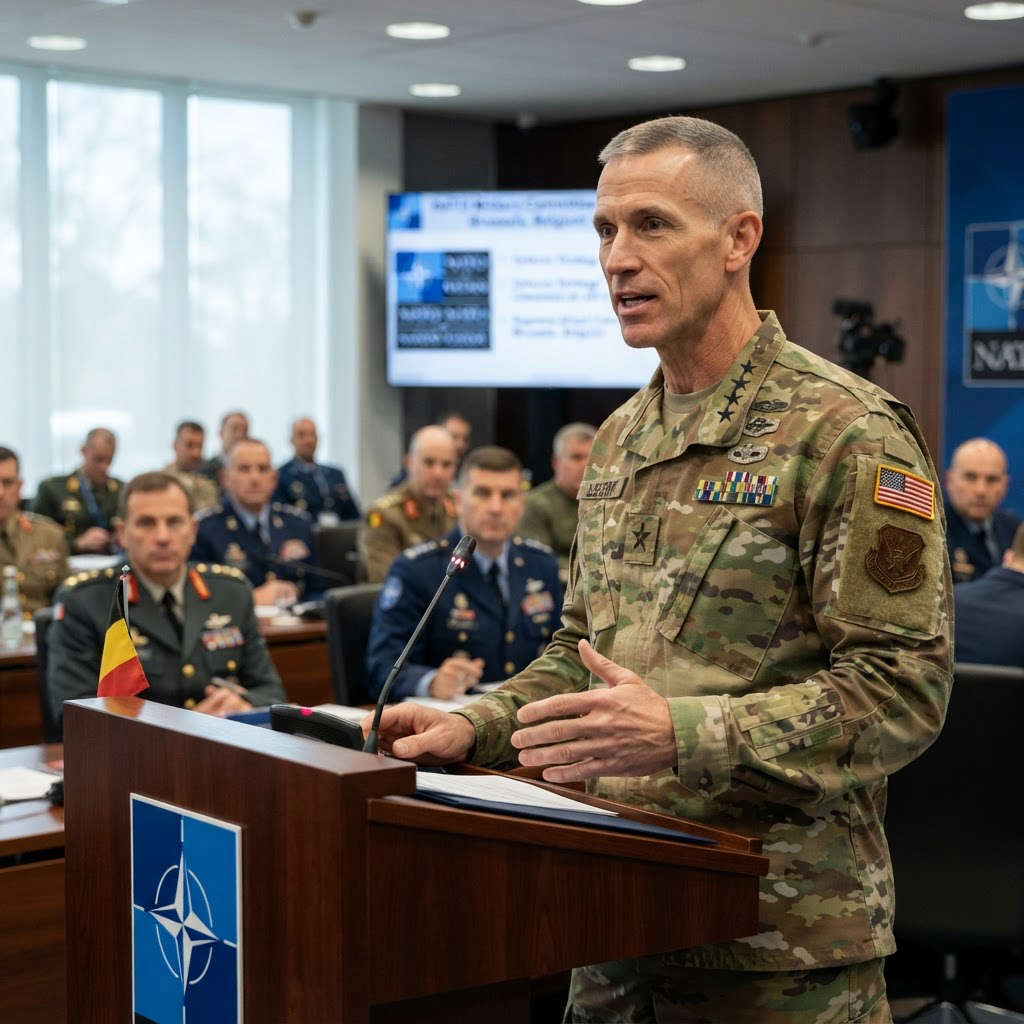
NATO is developing a new defense strategy that considers the use of long-range conventional strikes against military and industrial targets deep within Russian territory in the event of an attack on the alliance. This shift in doctrine, led by Supreme Allied Commander Europe General Alexus Grynkewich, aims to move beyond static border defense by targeting the logistics and infrastructure that sustain Russian military operations. The alliance is currently working to modernize and expand its long-range missile capabilities, including Tomahawk and ATACMS systems, to support this potential operational framework. Military planners emphasize that this approach is intended as a tool of deterrence and does not involve the use of nuclear weapons.
The primary actors involved in this strategic shift are the North Atlantic Treaty Organization (NATO), led by Secretary General Mark Rutte, and the military commanders of the alliance's member states. The United States Department of Defense plays a central role in providing the technological and strategic framework for this transition, as outlined in the 2026 National Defense Strategy. European allies, particularly those on the eastern flank, are the primary stakeholders in the implementation of these new defense measures.
NATO is transitioning from a defensive posture based on static barriers and checkpoints to a doctrine of active prevention or denial. This involves the capability to deliver conventional strikes deep inside Russian territory to neutralize advancing forces and their support infrastructure before they can threaten NATO territory. The alliance is currently modernizing its arsenal, focusing on Tomahawk cruise missiles, ATACMS ballistic missiles, and European-developed systems like Storm Shadow/SCALP and Taurus.
The geographic focus of this new strategy is the NATO eastern flank, which includes countries bordering Russia and Belarus. The operational scope of the new doctrine extends into Russian territory, targeting military assets, logistics hubs, and command centers that support potential invasion forces. The strategic planning is coordinated at NATO Headquarters in Brussels and through various regional commands, such as the 1st German-Netherlands Corps.
The shift in strategy has been evolving over the past five years, informed by the ongoing conflict in Ukraine and regional instability in the Middle East. The current implementation phase is ongoing, with the 2026 National Defense Strategy providing the roadmap. European allies have committed to meeting defense spending targets, with some, like Germany, aiming to fulfill pledges well before the 2035 deadline.
NATO strategists have concluded that static defense is insufficient to deter a modern, conventional Russian invasion. The experience of recent conflicts has demonstrated that air defense alone is a reactive measure that does not address the source of the threat. By adopting a policy of active prevention, NATO aims to break the warfighting system of any potential adversary, thereby increasing the cost of aggression and enhancing the credibility of the alliance's deterrence.
The implementation of this doctrine relies on the NATO Defense Planning Process (NDPP) and the NATO Force Model (NFM). The U.S. is providing the necessary long-range strike capabilities while encouraging European allies to develop their own industrial capacity for low-cost, long-range systems. This process involves continuous review of military assets, increased defense spending, and the integration of advanced space-based targeting and communication capabilities to support the Joint Force.
Why It Matters
This shift represents a fundamental change in how the West approaches security in Europe. It moves the alliance toward a more proactive and potentially escalatory posture, which is intended to deter conflict but carries the inherent risk of miscalculation.
What Happens Next
NATO will continue to integrate these new strike capabilities into its operational planning. Observers should watch for further announcements regarding the procurement of long-range missiles and the conduct of joint exercises that test these new offensive-defensive capabilities.
Key Unknowns
The primary unknown is how Russia will respond to this shift in doctrine. Additionally, the long-term political commitment of all NATO members to sustain the necessary defense spending remains a critical variable.
What to Watch
Watch for upcoming NATO ministerial meetings where defense spending and the operationalization of the new strategy will be discussed. Also, monitor any changes in Russian military posture or rhetoric in response to these developments.
Sources
Topics
- Universe One
- Europe & NATO
- nato
- revises
- defense
- strategy
- include
- conventional
- strikes
- inside
- russian
- territory