Russia & Ukraine
Russia and Ukraine Continue Combat Operations Following Expiration of Local Ceasefire
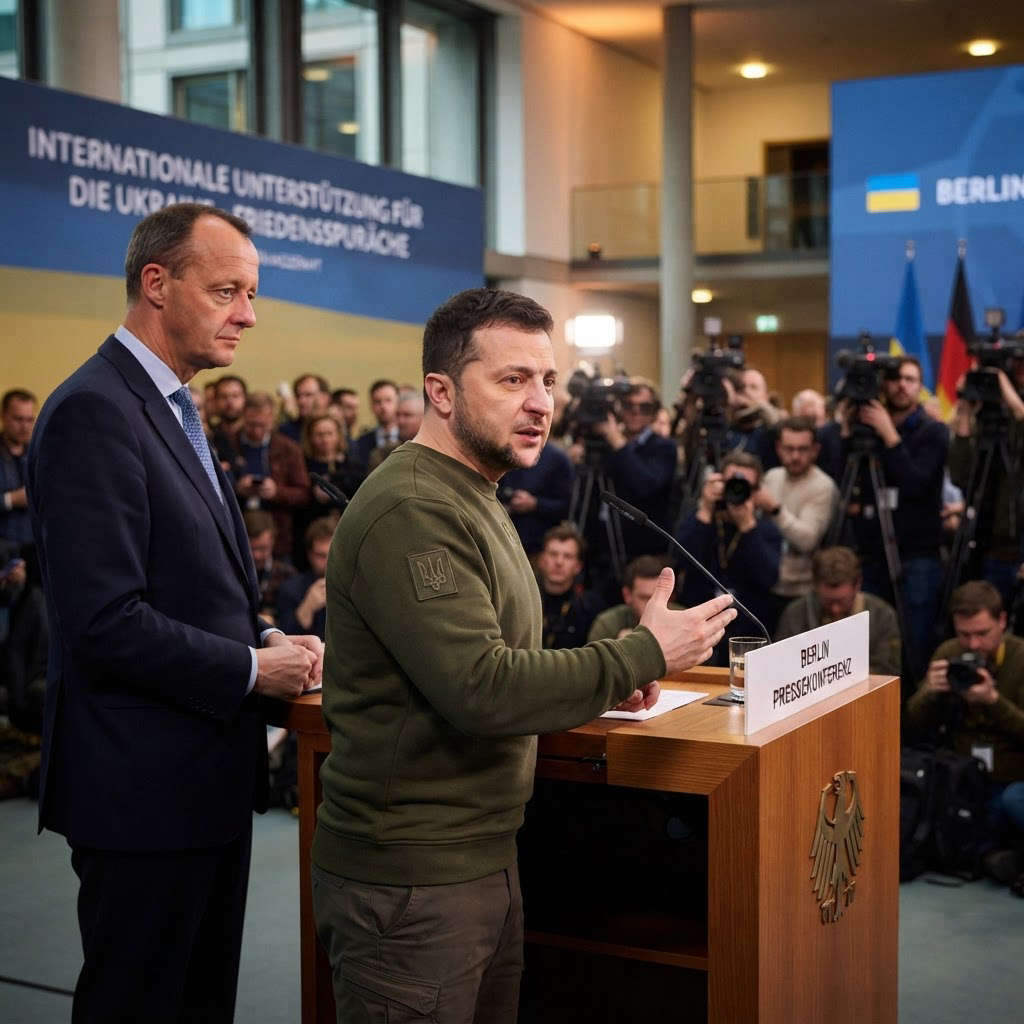
Following the expiration of a local ceasefire in the Kherson region, Russian and Ukrainian forces have continued combat operations. The General Staff of the Armed Forces of Ukraine reported 184 combat engagements across the front line on November 5, alongside ongoing Russian aerial strikes. Meanwhile, representatives from Ukraine, Russia, and the United States are scheduled to meet for trilateral talks in Abu Dhabi on November 10-11. President Zelenskyy has emphasized the importance of continued international support and the necessity of establishing security guarantees.
The primary actors involved in the current escalation include the Russian Armed Forces and the Ukrainian Defence Forces. Diplomatic efforts are being led by the United States, with the involvement of European partners including Germany, France, and the United Kingdom, alongside international bodies like NATO and the World Bank. President Volodymyr Zelenskyy of Ukraine and the Kremlin remain the central figures in the conflict's political direction.
Following the expiration of a local ceasefire in the Kherson region, combat operations have intensified significantly. The General Staff of the Armed Forces of Ukraine reported 184 combat engagements on November 5, with Russian forces utilizing extensive aerial bombardment, including guided aerial bombs. Simultaneously, preparations are underway for a new round of peace negotiations in Abu Dhabi scheduled for November 10-11, which aim to address post-war security and reconstruction.
The conflict is concentrated along the front line in Ukraine, with specific intensity reported in the Kherson, Zaporizhzhia, and Kharkiv regions. The upcoming diplomatic talks are set to take place in Abu Dhabi, reflecting the international scope of the mediation efforts.
The local ceasefire in Kherson ended on Sunday, November 2, 2026. The subsequent surge in combat occurred throughout November 3-5. The next major diplomatic milestone is the scheduled peace negotiation in Abu Dhabi on November 10-11, 2026.
Russia continues its offensive operations with the stated goal of seizing the remainder of eastern Ukraine, while Ukraine maintains its defense to preserve sovereignty and territorial integrity. The US-led diplomatic push aims to establish a framework for post-war security and economic prosperity, though both sides remain far apart on fundamental terms. The recent ceasefire was intended to facilitate humanitarian missions, but its expiration has led to a return to active hostilities as both sides seek to improve their tactical positions ahead of the upcoming talks.
The conflict is being fought through conventional military engagements, including drone strikes, artillery, and aerial bombardment. Diplomatic mediation is being conducted through high-level meetings involving US special envoys and international representatives. The US is leveraging its role as a primary provider of military and financial aid to influence the negotiating positions of both Kyiv and Moscow, while also coordinating with European allies to manage the economic and security implications of the ongoing war.
Why It Matters
The situation represents a critical juncture in the nearly five-year conflict. The failure of the local ceasefire and the subsequent escalation underscore the fragility of diplomatic progress. For the United States, the outcome of the Abu Dhabi talks and the stability of the front line directly impact national security, global energy markets, and the effectiveness of US foreign policy.
What Happens Next
The immediate focus is on the November 10-11 negotiations in Abu Dhabi. The intensity of combat on the front line will likely continue to fluctuate as both sides attempt to gain leverage before the talks. The incoming US Congress will face immediate pressure to define its stance on continued support for Ukraine.
Key Unknowns
It remains unclear whether Russia is genuinely prepared to negotiate a meaningful end to the conflict or if it is using the diplomatic process to buy time for further military mobilization. Additionally, the extent of the new US Congress's willingness to sustain current levels of aid is a significant variable.
What to Watch
Watch for the outcomes of the Abu Dhabi talks, any shifts in the intensity of Russian aerial strikes, and statements from the new US congressional leadership regarding foreign aid priorities.
Sources
Topics
- Universe One
- Russia & Ukraine
- russia
- ukraine
- continue
- combat
- operations
- following
- expiration
- local
- ceasefire