Policing & Criminal Justice Reform
Philadelphia Citizens Police Oversight Commission Holds Public Meeting on Reform Initiatives
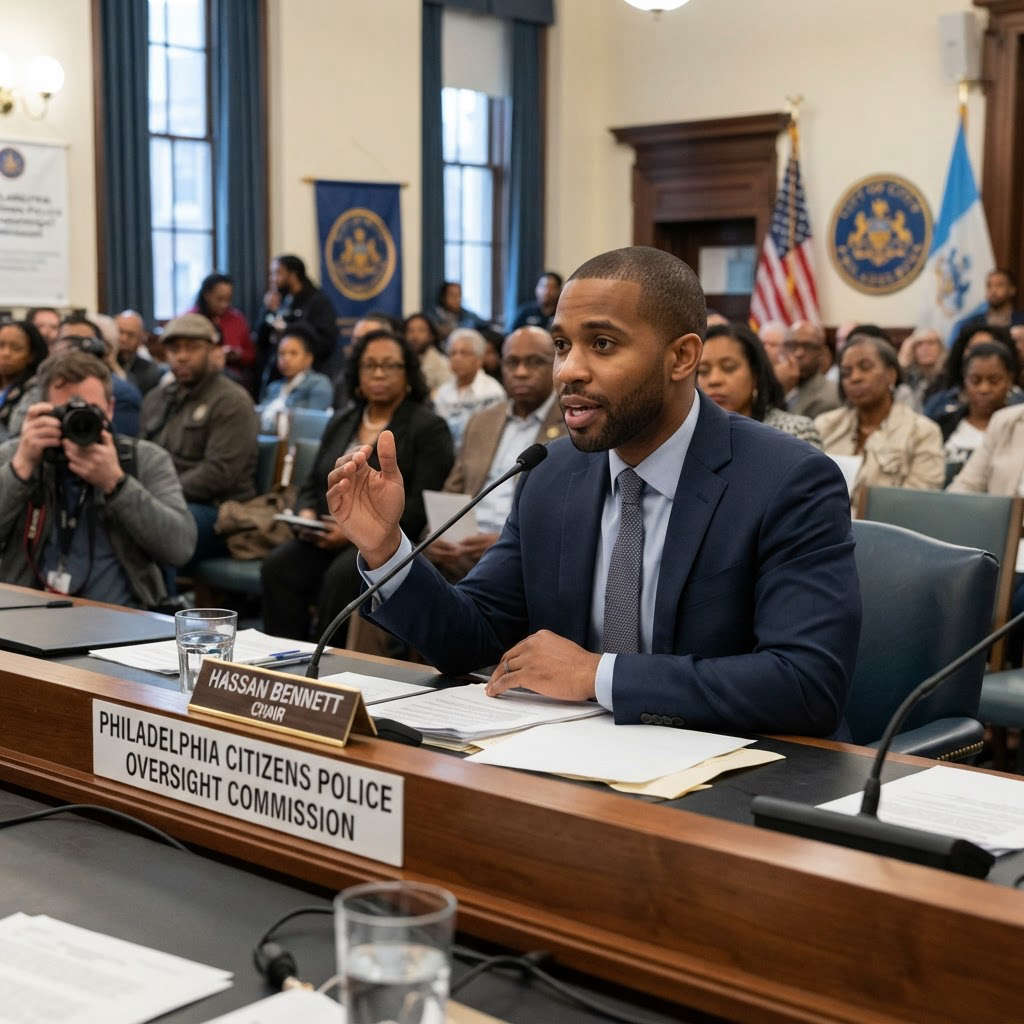
The Philadelphia Citizens Police Oversight Commission is convening a public meeting today to discuss ongoing efforts to enhance transparency and accountability within the Philadelphia Police Department. This commission serves as a civilian-led body tasked with investigating police conduct and recommending policy improvements to ensure equitable service. The meeting provides a platform for community members to offer direct feedback on current policing practices and oversight mechanisms. These local efforts reflect a broader national trend of cities attempting to institutionalize civilian review of law enforcement operations.
This event highlights the ongoing national debate regarding the balance between local police autonomy and civilian oversight, which directly impacts public trust and the administration of justice in American cities.
The key actors involved in the Philadelphia police oversight process include the Citizens Police Oversight Commission (CPOC), which is a civilian-led body, the Philadelphia Police Department (PPD), and the residents of Philadelphia. The CPOC is composed of commissioners appointed to oversee and investigate the conduct, policies, and practices of the PPD. The PPD leadership and rank-and-file officers are the subjects of this oversight, while the City Council and the Mayor's office provide the legislative and executive framework for the commission's operations.
The CPOC is holding a public meeting to facilitate community engagement regarding police accountability. The commission's mandate includes increasing the transparency of the PPD, improving police conduct, and enhancing the quality of internal investigations. This meeting is part of a broader, ongoing effort to ensure that the PPD operates in a manner that is consistent with constitutional standards and community expectations. The commission regularly hosts these meetings to allow for public comment on agenda items and to provide updates on their oversight activities.
This activity is centered in Philadelphia, Pennsylvania, specifically at the offices and public meeting venues utilized by the CPOC. The jurisdiction of the commission is limited to the city of Philadelphia and the operations of the Philadelphia Police Department.
The public meeting is scheduled for November 5, 2026, from 6:00 pm to 7:00 pm. This is part of a recurring schedule of meetings, with another session planned for November 19, 2026. These meetings occur against the backdrop of a decade-long national effort to reform police oversight following the 2020 protests.
The stated motivation for the CPOC's existence and its public meetings is to foster accountability, transparency, and equity in policing. By providing a forum for public comment, the commission aims to bridge the gap between the police department and the community. This is a response to historical and contemporary concerns regarding police conduct, use of force, and the perceived lack of responsiveness in internal disciplinary processes.
The CPOC operates through a combination of investigative authority and public advocacy. They review complaints filed against officers, monitor internal PPD investigations, and issue recommendations for policy changes. The commission utilizes public meetings as a mechanism to gather community input, which informs their oversight priorities and policy recommendations. This process is governed by local municipal ordinances that define the scope of the commission's power and its relationship with the police department.
Effective police oversight is a critical component of maintaining public trust in the justice system. The Philadelphia model represents a significant attempt to institutionalize civilian input in a major U.S. city. The success or failure of this commission serves as a bellwether for similar efforts nationwide.
The commission will continue to hold public meetings and issue reports on their findings. The PPD will be expected to respond to these recommendations, and the City Council will monitor the commission's effectiveness in achieving its stated goals.
Key Unknowns
It remains unclear how much actual influence the CPOC has over PPD policy changes and whether their recommendations lead to measurable improvements in officer conduct or community relations.
Watch for future reports from the CPOC regarding the number of complaints processed, the nature of the policy recommendations issued, and the PPD's rate of compliance with those recommendations.
Sources
- The Case Against Civilian Oversight Boards — National Review
- The push for police reform hits a wall in cities across the country — Politico
Topics
- Universe One
- Policing & Criminal Justice Reform
- philadelphia
- citizens
- police
- oversight
- commission
- holds
- public
- meeting
- reform
- initiatives