Middle East
US and Iran Engage in Diplomacy Amidst Escalating Rhetoric
Summary
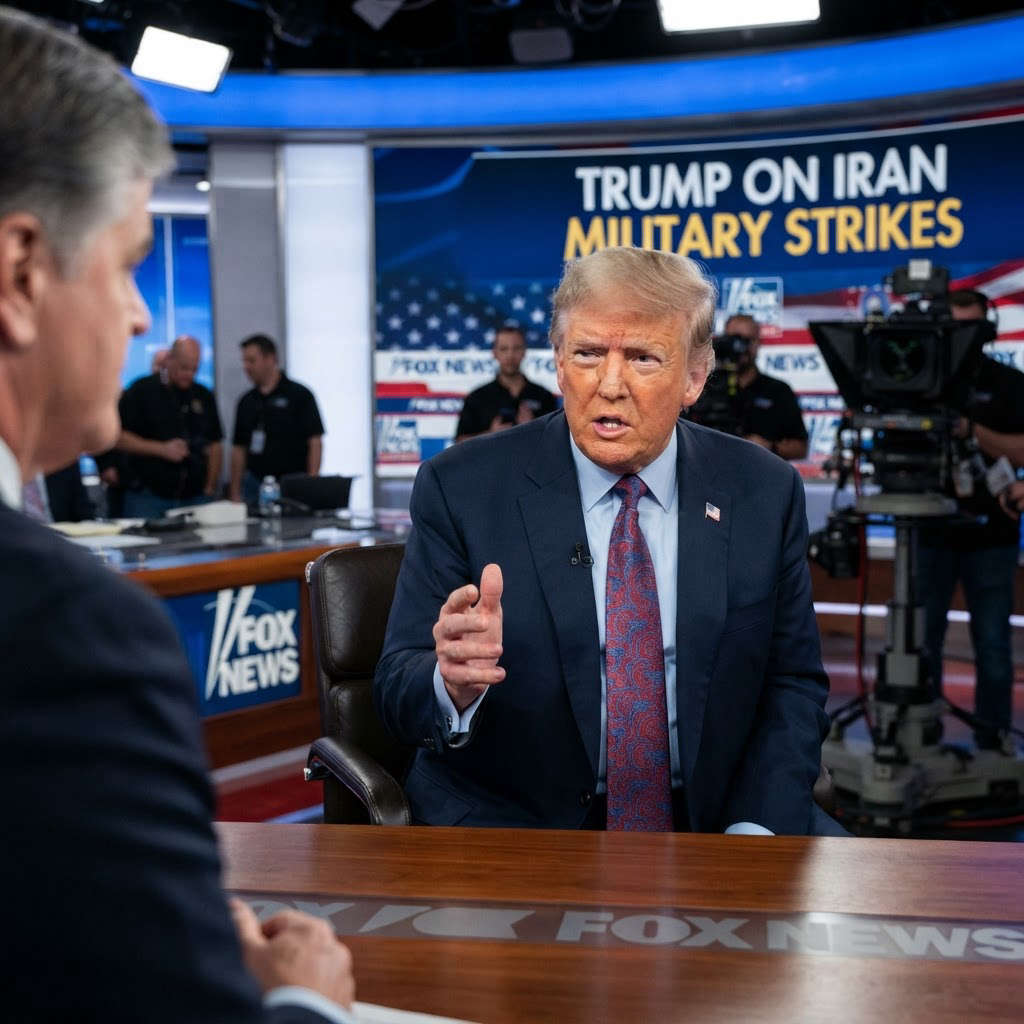
The United States and Iran are currently engaged in mediated negotiations facilitated by Qatar to address ongoing military tensions. While both nations continue to exchange threats and maintain aggressive military postures, including recent limited U.S. strikes on Iranian assets, diplomatic efforts to reach a deal remain active. Reports indicate that Israel has shared intelligence with the U.S. alleging Iranian preparations for chemical weapons use, though U.S. officials are reportedly divided on the credibility of this information. Both sides continue to weigh the potential for a diplomatic resolution against the risk of further military escalation.
The primary actors involved in this escalating situation include the United States administration, led by President Donald Trump and Vice President JD Vance, and the Iranian government, represented by security chief Mohsen Rezaei and military officials. Mediators from Qatar and Oman are actively facilitating communication between the two sides. Additionally, regional actors such as Israel and Hezbollah are closely monitoring the situation, with Israel providing intelligence to the U.S. and Hezbollah signaling its potential involvement if the Iranian regime faces an existential threat.
The situation involves a high-stakes diplomatic and military standoff. The U.S. and Iran are negotiating to avoid a third major military conflict, while simultaneously preparing for the possibility of war. Key points of contention include Iran's nuclear program, its regional military presence, and the security of shipping routes in the Strait of Hormuz. Recent reports indicate that Israel has shared intelligence suggesting Iran may be considering the use of chemical weapons, a claim that Washington officials are currently scrutinizing.
The conflict is centered in the Middle East, specifically involving Iran, the Strait of Hormuz, and the broader region where U.S. and Iranian interests collide. Diplomatic negotiations are being mediated in Doha, Qatar, and Muscat, Oman. Military preparations and potential strike targets are located within Iranian territory, including nuclear facilities such as the site referred to as 'Pickaxe Mountain'.
The current phase of the crisis intensified following the U.S. midterm elections on November 3, 2026. Diplomatic efforts have been ongoing throughout late October and early November. Military planners and intelligence agencies are operating on a timeline that suggests potential actions could be taken shortly after the election period, depending on the outcome of the current negotiations.
The motivations for both sides are complex. The U.S. seeks to curb Iran's nuclear ambitions and regional influence, viewing these as direct threats to national security and the stability of its allies. Iran, conversely, views the U.S. and Israeli presence as an existential threat and is leveraging its military capabilities and regional proxies to deter further attacks. The current diplomatic push is driven by a mutual desire to avoid the high costs of a prolonged, all-out war, though both sides remain deeply suspicious of the other's intentions.
The process involves a combination of back-channel diplomacy, public posturing, and military signaling. Mediators are exchanging proposals in real-time to find a compromise. Simultaneously, the U.S. has deployed aircraft carriers to the region and identified potential targets, while Iran has threatened retaliation without geographical limits and warned that a new war would be longer and more costly than previous rounds. Intelligence sharing, while currently fractured within the U.S. government, remains a critical component of the decision-making process.
Sources
Topics
- Universe One
- Middle East
- iran
- engage
- diplomacy
- amidst
- escalating
- rhetoric