Navajo Nation Becomes First Tribe Authorized to Administer Clean Water Act Permitting
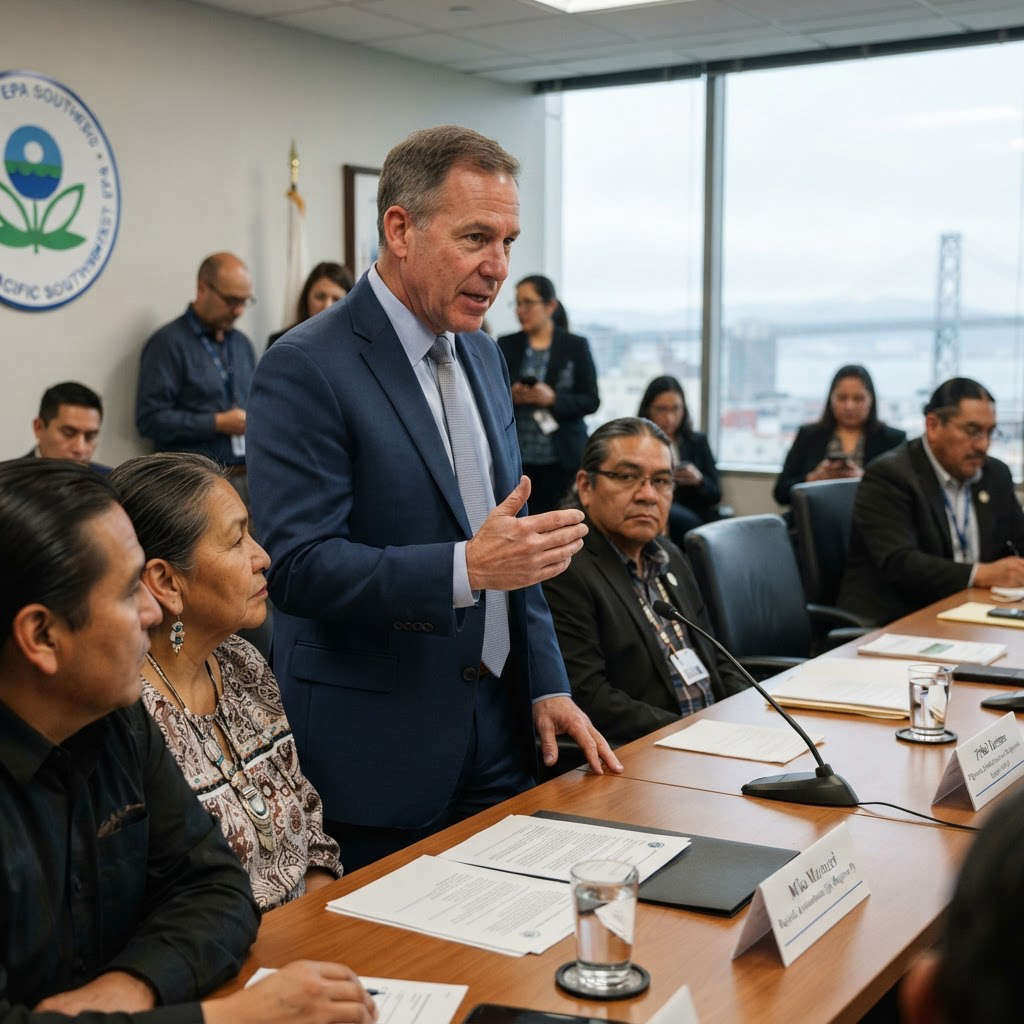
The U.S. Environmental Protection Agency has officially approved the Navajo Nation's application for 'Treatment in a Similar Manner as a State' (TAS) status under the Clean Water Act. This historic authorization allows the Nation to manage its own National Pollutant Discharge Elimination System (NPDES) and sludge management programs. The decision marks the first time a federally recognized tribe has been granted such regulatory authority, shifting oversight from federal agencies to tribal governance. This move is intended to enhance tribal sovereignty and improve local environmental management of water resources.
This development significantly impacts U.S. federal-tribal relations by establishing a new precedent for tribal self-governance in environmental regulation. It directly affects how water quality standards are enforced on the largest reservation in the United States, influencing both regional environmental policy and federal administrative law.
The key actors involved are the U.S. Environmental Protection Agency (EPA), which holds the federal authority to regulate water quality, and the Navajo Nation, the largest federally recognized tribe in the United States. The Navajo Nation government, led by President Buu Nygren, initiated the application process to gain regulatory control over its own lands.
The EPA has approved the Navajo Nation's application for 'Treatment in a Similar Manner as a State' (TAS) status under the Clean Water Act. This allows the Nation to administer the National Pollutant Discharge Elimination System (NPDES) and sludge management programs. This is a significant shift in authority, as the EPA previously held direct regulatory control over these activities on the reservation.
The jurisdiction covers the entire Navajo Nation, which spans parts of Arizona, New Mexico, and Utah. The regulatory authority applies to all waters within the reservation boundaries, including those affected by industrial, agricultural, and municipal discharge.
The EPA announced the approval on October 21, 2026. This follows a multi-year application and review process. The authority is effective immediately, with a transition period for the transfer of existing permits and oversight responsibilities.
The primary motivation for the Navajo Nation is to exercise tribal sovereignty and ensure that environmental regulations are tailored to the specific needs and cultural values of the Navajo people. The EPA's motivation is to fulfill its federal trust responsibility to support tribal self-governance and improve the efficiency of environmental protection programs by empowering local authorities.
The process is governed by Section 518 of the Clean Water Act, which allows tribes to be treated as states for certain regulatory purposes. The Navajo Nation had to demonstrate that it has the legal, technical, and administrative capacity to manage the program. The EPA conducted a rigorous review of the Nation's environmental laws, staffing, and enforcement capabilities before granting the approval.
This development is a landmark moment in federal-tribal relations. It validates the capacity of tribal governments to manage complex federal regulatory programs, potentially setting a precedent for other tribes to seek similar authority. It also shifts the burden of environmental enforcement to the local level, which may lead to more responsive and culturally informed management of water resources.
The Navajo Nation will begin the process of assuming control over existing NPDES permits. The EPA will provide ongoing technical support and oversight to ensure the program remains in compliance with federal standards. Observers will be watching to see how the Nation handles the first round of permit renewals and any potential enforcement actions against non-compliant entities.
Key Unknowns
It remains to be seen how the transition will affect the speed and cost of permitting for businesses on the reservation. Additionally, the long-term financial sustainability of the program, given the costs of technical staffing and monitoring, is a significant question.
Watch for any legal challenges from industry groups or neighboring states that may disagree with the scope of the Nation's new authority. Also, monitor the EPA's periodic reviews of the program to see if the Navajo Nation maintains the required standards of performance.
Sources
- EPA grants Navajo Nation authority to manage water permits — The Washington Times
- Navajo Nation secures historic Clean Water Act permitting authority — Politico
Topics
- Universe One
- Tribal Nations & Territories
- navajo
- nation
- becomes
- first
- tribe
- authorized
- administer
- clean
- water
- permitting