State Attorneys General Elections Shape Future of Reproductive Rights Access
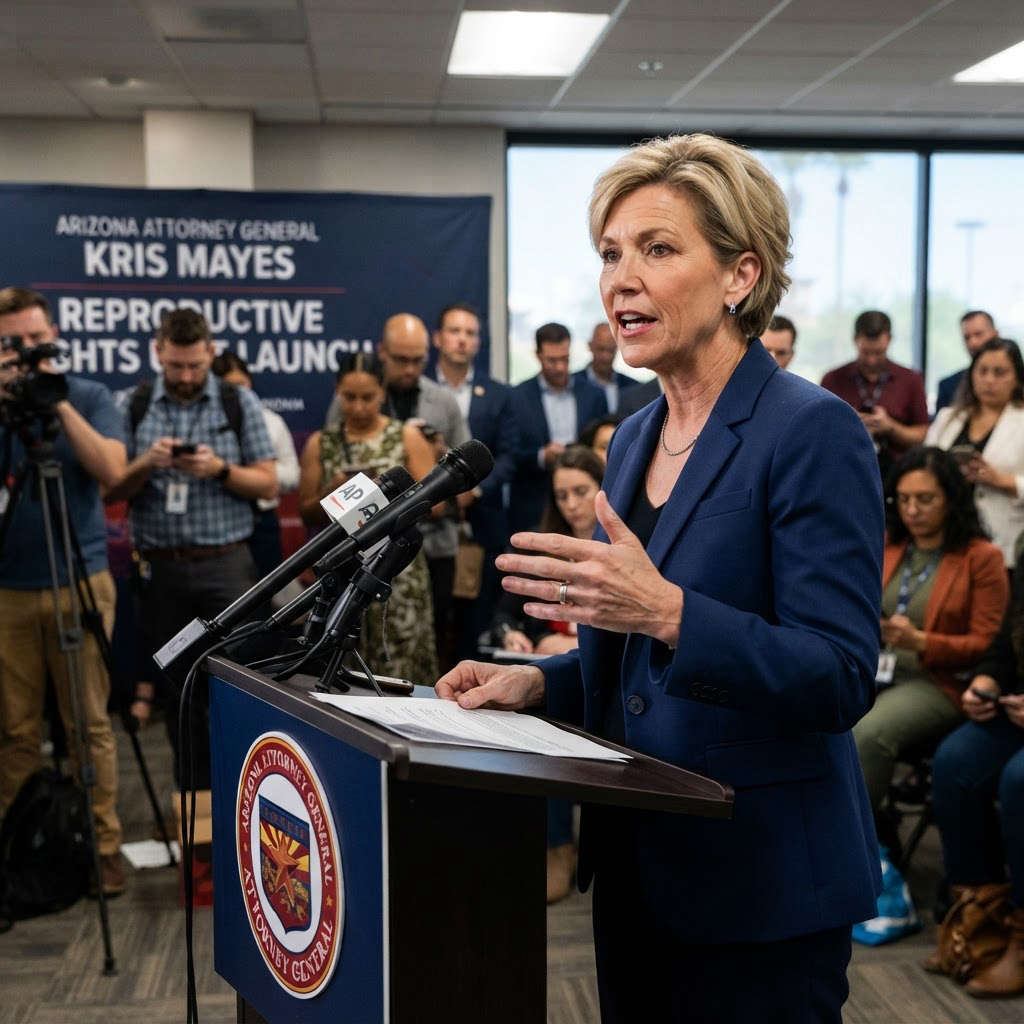
As the 2026 midterm elections conclude, the role of state attorneys general has emerged as a critical factor in the ongoing legal battle over abortion access. These officials hold the authority to defend or challenge state-level restrictions and shield laws in both state and federal courts. With the legal landscape remaining in flux following the Dobbs decision, the outcomes of these races will determine the enforcement of reproductive healthcare policies across the country. Voters in several states are weighing candidates based on their stated commitments to either protect or limit abortion services.
Why This Matters to the United States
State attorneys general are the primary legal actors defending or challenging abortion bans, directly impacting the availability of reproductive healthcare for millions of Americans and shaping the national legal precedent.
The key actors include state attorneys general, who serve as the primary legal defenders or challengers of state abortion laws; the U.S. Supreme Court, which set the current legal framework via the Dobbs decision; and various advocacy groups, such as the ACLU and anti-abortion organizations, which drive litigation and ballot initiatives. Additionally, healthcare providers and patients are directly affected by the shifting legal landscape.
The current development involves the intersection of state-level elections and the ongoing legal battle over reproductive rights. Following the Dobbs decision, which returned abortion regulation to the states, attorneys general have become central figures in defending or challenging state bans, shield laws, and FDA regulations regarding medication abortion. The 2026 midterm elections are expected to influence the future trajectory of these legal battles.
This is a national issue with significant variations by state. States like Idaho, Missouri, and Nevada are currently seeing active ballot measures or litigation, while states with shield laws are attempting to protect providers from out-of-state prosecution. Federal courts, including the Fifth Circuit, are also hearing cases that could have nationwide implications for medication abortion access.
The legal landscape has been in flux since the June 2022 Dobbs decision. Recent developments include ongoing litigation throughout 2026, with significant court rulings and ballot initiatives occurring in the months leading up to the November 2026 elections.
The primary motivation for these actions is the fundamental disagreement over the legality and morality of abortion. Proponents of abortion access seek to protect reproductive freedom through state constitutional amendments and shield laws, while opponents seek to enforce state-level bans and restrict access to medication abortion, citing the authority granted to states by the Dobbs ruling.
Legal mechanisms include state constitutional amendments, which can override legislative bans; federal litigation, which challenges the constitutionality of state laws; and the use of state attorney general authority to enforce or decline to enforce specific statutes. Shield laws are also being used to protect providers from extradition or prosecution by other states.
Top Comments
Congress could pass federal legislation establishing a national standard for reproductive healthcare access, utilizing the Commerce Clause to preempt conflicting state laws, though this faces significant constitutional challenges regarding state sovereignty.
States could adopt market-based insurance reforms that allow for the interstate purchase of reproductive health coverage, increasing competition and access, though this may lead to regulatory fragmentation across state lines.
Local jurisdictions could implement municipal-level ordinances that prioritize the non-enforcement of state abortion bans, utilizing local police discretion, though this risks creating legal conflicts between city and state authorities.
Sources
- State AG races highlight battle over abortion laws — The Washington Times
- Your state’s next attorney general could help determine abortion access — The 19th
- Voters weigh in on abortion as state AG races conclude — Reuters
Topics
- Universe One
- Abortion & Reproductive Rights
- state
- attorneys
- general
- elections
- shape
- future
- reproductive
- rights
- access