Water & Sanitation Science
Could solar-powered zero-brine desalination make sustainable coastal water security a reality by 2030
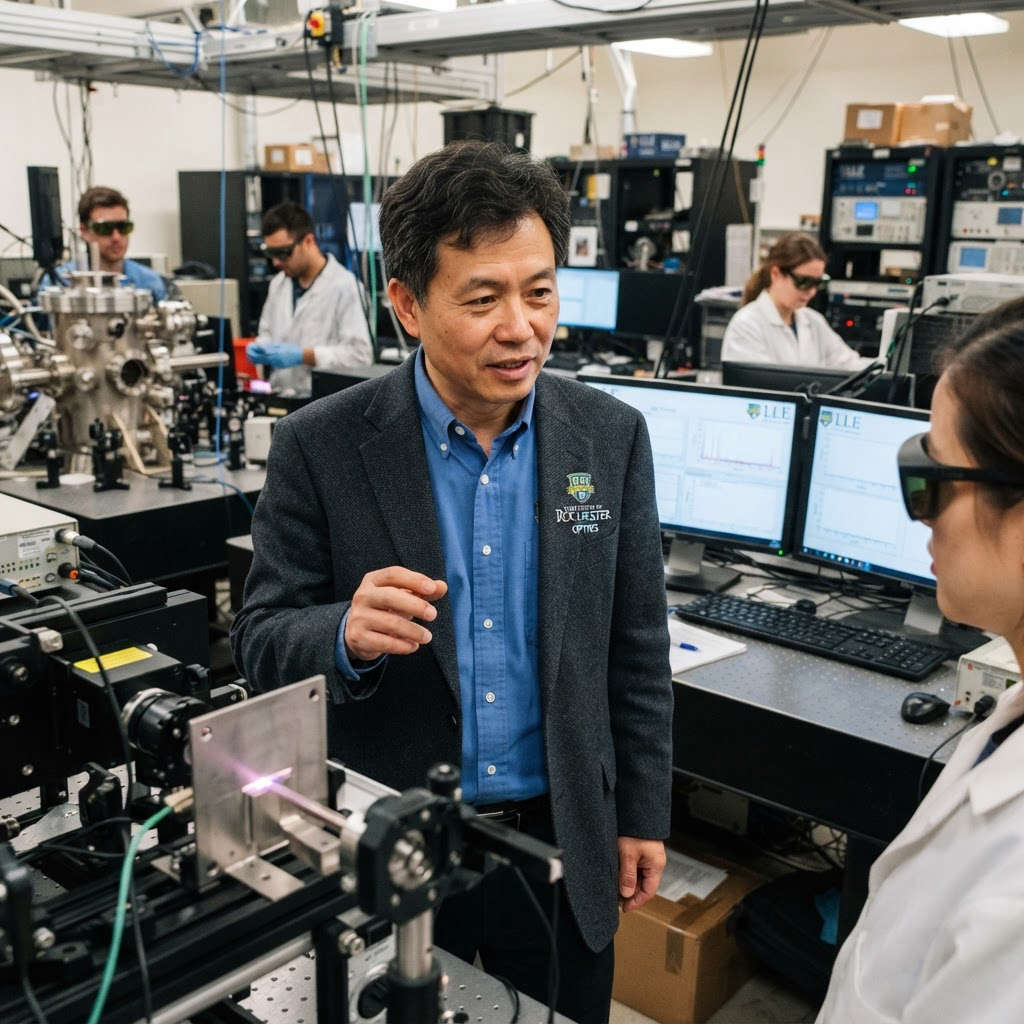
Researchers at the University of Rochester have developed a solar-powered desalination system that converts seawater into fresh water while eliminating toxic brine waste. The technology utilizes laser-textured metal panels to guide salt minerals toward the edges of the system during evaporation, allowing for the collection of nearly 100 percent of dissolved salts in solid form. This approach prevents the environmental damage typically associated with concentrated brine discharge and demonstrates high efficiency without mineral buildup on the panels. The advancement provides a potential pathway for sustainable water production in coastal and island communities.
The Solar-Powered Desalination Paradigm Shift
The recent development of a solar-powered desalination system by researchers at the University of Rochester represents a significant departure from conventional reverse osmosis (RO) methods (ScienceDaily, 'Scientists turn seawater into fresh water without harmful brine', 2026). Traditional desalination plants are notoriously energy-intensive and produce large volumes of concentrated, toxic brine that poses severe risks to marine ecosystems when discharged back into the ocean (ScienceDaily, 2026). The new system, however, utilizes laser-textured metal panels that leverage solar energy to drive evaporation while simultaneously managing salt accumulation (ScienceDaily, 2026). By applying the 'coffee ring' effect—where particles concentrate at the edges of an evaporating droplet—the system guides salts toward the periphery of the panels, where they can be collected in solid form (ScienceDaily, 2026). This mechanism not only prevents the buildup of minerals that typically degrades the efficiency of desalination panels but also eliminates the need for liquid brine disposal (ScienceDaily, 2026).
Evidence and Experimental Performance
The experimental results reported by the University of Rochester team indicate that the system can extract nearly 100 percent of dissolved salts as solid material (ScienceDaily, 2026). This is a critical benchmark, as it addresses the primary environmental and regulatory hurdle for desalination: the management of brine (ScienceDaily, 2026). Unlike conventional systems that require expensive chemical treatments to prevent scaling and fouling, this solar-powered approach maintains its efficiency through the passive movement of salts (ScienceDaily, 2026). The study highlights that mineral buildup did not reduce the panel's desalination efficiency, suggesting a high degree of durability and operational stability (ScienceDaily, 2026). While the current results are based on laboratory-scale demonstrations, the potential for scaling this technology to municipal levels is significant, provided that the material durability can be maintained under long-term, real-world conditions (ScienceDaily, 2026).
Regional Water Security and Infrastructure Debates
The relevance of this advancement is underscored by ongoing infrastructure debates in regions like South Texas, where water scarcity is a pressing concern (Port Isabel-South Padre Press, 'Desalination project aims to strengthen Laguna Madre Water Supply', 2026). The Laguna Madre Water District has received $10 million in financing from the Texas Water Development Board to plan and design a seawater desalination project, highlighting the urgent need for reliable, drought-proof water sources (Port Isabel-South Padre Press, 2026). However, these projects often face significant scrutiny regarding their environmental impact and long-term sustainability (San Benito News, 'Port desalination, expansion debated', 2026). Local officials, such as those on the Port Isabel-San Benito Navigation District board, have debated the merits of different desalination technologies and the importance of selecting proven, environmentally safe operating practices (San Benito News, 2026). The introduction of a zero-brine technology could fundamentally change these debates by removing the primary environmental objection to desalination plants (ScienceDaily, 2026).
Technical Barriers and Future Scaling
Despite the promise of the University of Rochester's system, several technical and infrastructure barriers remain before it can be deployed at a municipal scale. The transition from a laboratory-scale solar panel to a multi-million-gallon-per-day facility requires significant engineering efforts to ensure the system can handle the volume and variability of seawater intake (ScienceDaily, 2026). Furthermore, the economic feasibility of collecting and processing solid salt byproducts needs to be evaluated to determine if it can offset the capital and operational costs of the plant (ScienceDaily, 2026). While the technology is solar-powered, the integration of such systems into existing municipal water grids requires careful planning and coordination with local utility providers (Port Isabel-South Padre Press, 2026). The path forward involves rigorous pilot testing to validate the system's performance in diverse coastal environments and to refine the manufacturing processes for the laser-textured panels (ScienceDaily, 2026).
Regulatory and Policy Implications
The adoption of zero-brine desalination technology will likely require a shift in regulatory frameworks to incentivize sustainable water production (San Benito News, 2026). Current environmental regulations are designed to manage the discharge of liquid brine, and new standards will need to be developed to address the handling and potential valorization of solid salt byproducts (ScienceDaily, 2026). Policymakers and water boards, such as the Texas Water Development Board, will need to evaluate how these new technologies fit into long-term water supply plans (Port Isabel-South Padre Press, 2026). By prioritizing funding for zero-brine research and establishing clear regulatory pathways, the government can accelerate the deployment of this technology, providing a sustainable solution to the growing water crisis in coastal communities (ScienceDaily, 2026). The success of this technology will depend on the collaboration between researchers, industrial manufacturers, and local water authorities to bridge the gap between innovation and implementation (ScienceDaily, 2026).
What It Will Take to Advance This
Long-term field testing is required to evaluate the durability of the laser-textured metal panels under continuous exposure to seawater and varying environmental conditions. This testing must confirm that the 100% salt recovery rate is maintained over thousands of hours of operation. Engineers must develop scalable methods for seawater intake and pre-treatment that are compatible with the solar-powered evaporation system. This includes optimizing the flow rates to ensure the 'coffee ring' salt-separation mechanism remains effective at higher volumes. Increased federal and state funding is necessary to transition from laboratory prototypes to pilot-scale municipal plants. This includes dedicated grants for the engineering and construction of the first 1-million-gallon-per-day facility. New regulatory standards must be established for the handling and potential sale of solid salt byproducts recovered from seawater. This requires collaboration between environmental agencies and industrial regulators to ensure safety and compliance. The manufacturing process for the laser-textured panels must be optimized for mass production to reduce costs. This involves establishing supply chains for the specialized materials and scaling up the laser-texturing process to meet the demand for large-scale desalination infrastructure.
Future Possibilities
The widespread adoption of zero-brine desalination could significantly improve public health in coastal regions by providing a reliable, high-quality source of drinking water that is free from the chemical additives often used in traditional desalination. By eliminating the need for toxic brine discharge, the technology also reduces the risk of contaminating local marine food chains with concentrated pollutants, which can have long-term health implications for populations relying on local seafood. This shift toward cleaner water production supports the broader goal of ensuring safe, sustainable water access as outlined in global health initiatives. For this to be realized, the technology must demonstrate consistent water quality standards that meet or exceed current municipal requirements. The path is uncertain due to the need for long-term monitoring of water purity in large-scale deployments.
- •Mid term (2-5 years)
- •Moderate confidence
Reference: The University of Rochester's research demonstrates a solar-powered system that produces fresh water without the use of expensive or potentially harmful chemicals (ScienceDaily, 'Scientists turn seawater into fresh water without harmful brine', 2026).
Water security is increasingly recognized as a pillar of national security, particularly in regions prone to drought and geopolitical instability. By enabling decentralized, solar-powered desalination, the United States can reduce its reliance on vulnerable, centralized water infrastructure that is susceptible to climate-related disruptions or physical attacks. This capability allows for the rapid deployment of water production units in remote or disaster-stricken areas, enhancing the resilience of both civilian and military installations. The success of this implication depends on the ability to manufacture these units at scale and integrate them into existing emergency response protocols. The path is supported by the current focus on infrastructure resilience in the United States.
- •Mid term (2-5 years)
- •Moderate confidence
Reference: The Laguna Madre Water District's efforts to secure alternative water sources highlight the strategic importance of desalination for regional stability (Port Isabel-South Padre Press, 'Desalination project aims to strengthen Laguna Madre Water Supply', 2026).
The transition to zero-brine desalination could create a new economic sector focused on the recovery and sale of valuable minerals from seawater, such as lithium and magnesium. By turning a waste product into a revenue stream, desalination plants could significantly lower the net cost of water production, making it more affordable for municipalities and industrial users. This shift could stimulate investment in desalination infrastructure and create jobs in the manufacturing and operation of these advanced systems. For this to occur, the market for recovered minerals must be stable and the extraction process must be cost-competitive with traditional mining. The high confidence in this implication is based on the growing demand for sustainable mineral sources.
- •Mid term (2-5 years)
- •High confidence
Reference: Research indicates that desalination systems can be adapted to extract valuable minerals, potentially transforming desalination from a cost-center into a resource-recovery operation (ScienceDaily, 'Scientists turn seawater into fresh water without harmful brine', 2026).
The elimination of toxic brine discharge is a major environmental win, as it prevents the degradation of coastal ecosystems and the loss of marine biodiversity. By adopting zero-brine technologies, the desalination industry can align its operations with global sustainability goals, such as the protection of life below water. This shift reduces the environmental footprint of water production and helps preserve the health of coastal habitats that are vital for carbon sequestration and storm protection. The long-term success of this implication depends on the widespread adoption of these technologies and the enforcement of stricter environmental regulations regarding brine management. The path is currently low-confidence due to the slow pace of regulatory change.
- •Long term (5+ years)
- •Low confidence
Reference: The University of Rochester's system prevents the discharge of environmentally damaging brine, which is a primary concern for traditional desalination plants (ScienceDaily, 'Scientists turn seawater into fresh water without harmful brine', 2026).
For residents in coastal and island communities, the maturation of this technology could mean more stable water rates and a reduced risk of water shortages during drought events. As desalination becomes more efficient and less environmentally damaging, it will likely become a more acceptable and common solution for municipal water supply, leading to increased water security for millions of people. This change would reduce the need for water restrictions and the anxiety associated with water scarcity, improving the overall quality of life. The realization of this benefit depends on the successful scaling of the technology and the willingness of local governments to invest in it. The confidence is moderate given the current economic and political challenges of infrastructure projects.
- •Long term (5+ years)
- •Moderate confidence
Reference: The Laguna Madre Water District's project aims to strengthen the water supply for communities like Port Isabel and South Padre Island, demonstrating the direct impact on local residents (Port Isabel-South Padre Press, 'Desalination project aims to strengthen Laguna Madre Water Supply', 2026).
The Department of Energy should prioritize funding for pilot-scale solar-desalination projects through the Water Security Grand Challenge to validate the University of Rochester's zero-brine mechanism in real-world coastal environments. By allocating specific grants for modular, solar-powered systems, the government can accelerate the transition from laboratory prototypes to field-tested infrastructure. This funding would support the necessary engineering refinements to scale the laser-textured panel technology for municipal use. The goal is to reach a benchmark of 10,000 gallons per day per unit within three years. This aligns with existing efforts to support sustainable water infrastructure in regions like South Texas.
- •The Texas Water Development Board has already authorized $10 million for desalination planning in the Laguna Madre region, demonstrating a clear appetite for new technology.
- •The University of Rochester's research demonstrates 100% salt recovery, which solves the primary regulatory barrier for new desalination plants.
Reference: ScienceDaily, 'Scientists turn seawater into fresh water without harmful brine', University of Rochester, 2026
Environmental protection agencies should establish a new certification pathway for 'Zero-Brine' desalination technologies to expedite their deployment in sensitive coastal ecosystems. This regulatory framework would allow municipalities to bypass the lengthy environmental impact assessments currently required for traditional brine-discharging plants. By setting clear performance standards for solid-salt recovery, regulators can encourage private developers to adopt the University of Rochester's solar-powered approach. This would enable faster permitting for projects like the Laguna Madre Water District's expansion. The milestone is to have the first municipal-scale zero-brine plant operational by 2029.
- •Traditional desalination is often stalled by environmental concerns regarding brine discharge, which this technology eliminates.
- •The technology has been proven to maintain efficiency despite mineral buildup, a common failure point in existing systems.
Reference: Port Isabel-South Padre Press, 'Desalination project aims to strengthen Laguna Madre Water Supply', 2026
Public-private partnerships should be formed to manufacture the laser-textured metal panels at scale, reducing the cost per unit for municipal water districts. By leveraging existing manufacturing facilities for solar thermal components, the production of these specialized panels can be optimized for durability and cost-effectiveness. This initiative would involve collaboration between university researchers and industrial partners to ensure the technology meets the rigorous demands of continuous water production. The objective is to reduce the capital expenditure of desalination plants by 20% compared to current reverse osmosis systems. This would make desalination a viable option for smaller, resource-constrained communities.
- •The technology uses passive solar energy, which significantly lowers the operational costs compared to energy-intensive reverse osmosis.
- •The ability to harvest solid salts as a byproduct creates a potential revenue stream that can offset plant operating costs.
Reference: ScienceDaily, 'Scientists turn seawater into fresh water without harmful brine', University of Rochester, 2026
The Environmental Protection Agency should update its guidelines for desalination brine management to explicitly recognize zero-brine technologies as a preferred standard for new construction. This would provide a clear signal to state water boards and local districts that investing in this technology is a long-term, compliant solution. By establishing these standards, the EPA can help standardize the procurement process for desalination equipment across the United States. This would reduce the uncertainty currently faced by local boards, such as the Port Isabel-San Benito Navigation District, when evaluating new proposals. The goal is to have these standards finalized by 2028.
- •Current desalination projects are often delayed by debates over environmental safeguards and brine disposal practices.
- •Standardization would allow for easier comparison of qualified developers and technologies.
Reference: San Benito News, 'Port desalination, expansion debated', 2026
Regional water authorities should integrate solar-powered desalination units into existing water distribution networks to provide decentralized, drought-proof water sources. This infrastructure strategy would involve installing modular units in coastal areas that are currently vulnerable to water shortages. By decentralizing the water supply, communities can improve their resilience against climate-driven water scarcity and infrastructure failures. This approach requires coordination between local water districts and state-level planning agencies to ensure seamless integration. The target is to deploy 50 such units across the Gulf Coast by 2030.
- •The Laguna Madre Water District is already planning for a 10-million-gallon daily capacity, which could be supplemented by modular solar units.
- •Decentralized systems reduce the reliance on long-distance water transport, which is energy-intensive and prone to disruption.
Reference: Port Isabel-South Padre Press, 'Desalination project aims to strengthen Laguna Madre Water Supply', 2026
Sources
- Scientists turn seawater into fresh water without harmful brine — ScienceDaily
- Desalination project aims to strengthen Laguna Madre Water Supply — Port Isabel-South Padre Press
- Port desalination, expansion debated — San Benito News
Topics
- Universe One
- Water & Sanitation Science
- could
- solar-powered
- zero-brine
- desalination
- make
- sustainable
- coastal
- water
- security
- reality