Semiconductors & Advanced Technology
Taiwan Moves to Criminalize Smuggling of Advanced AI Chips to China
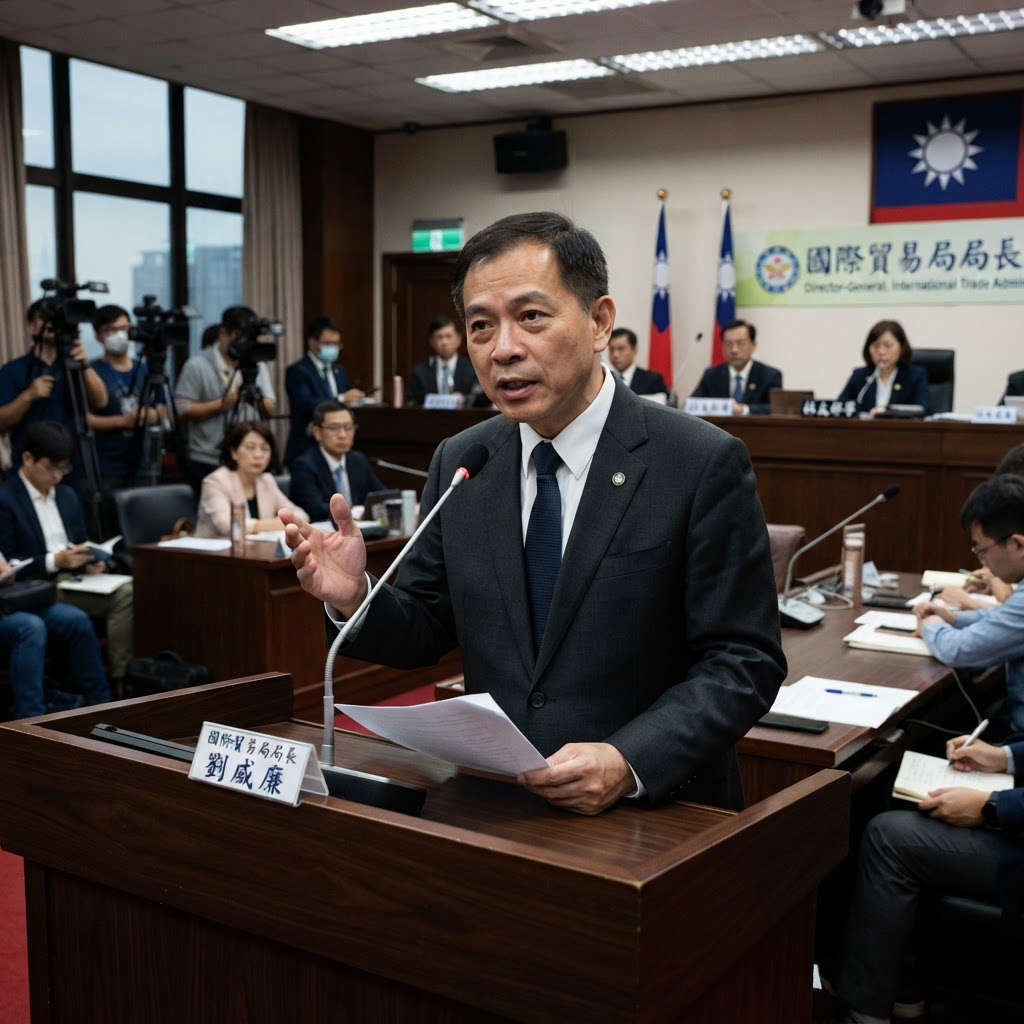
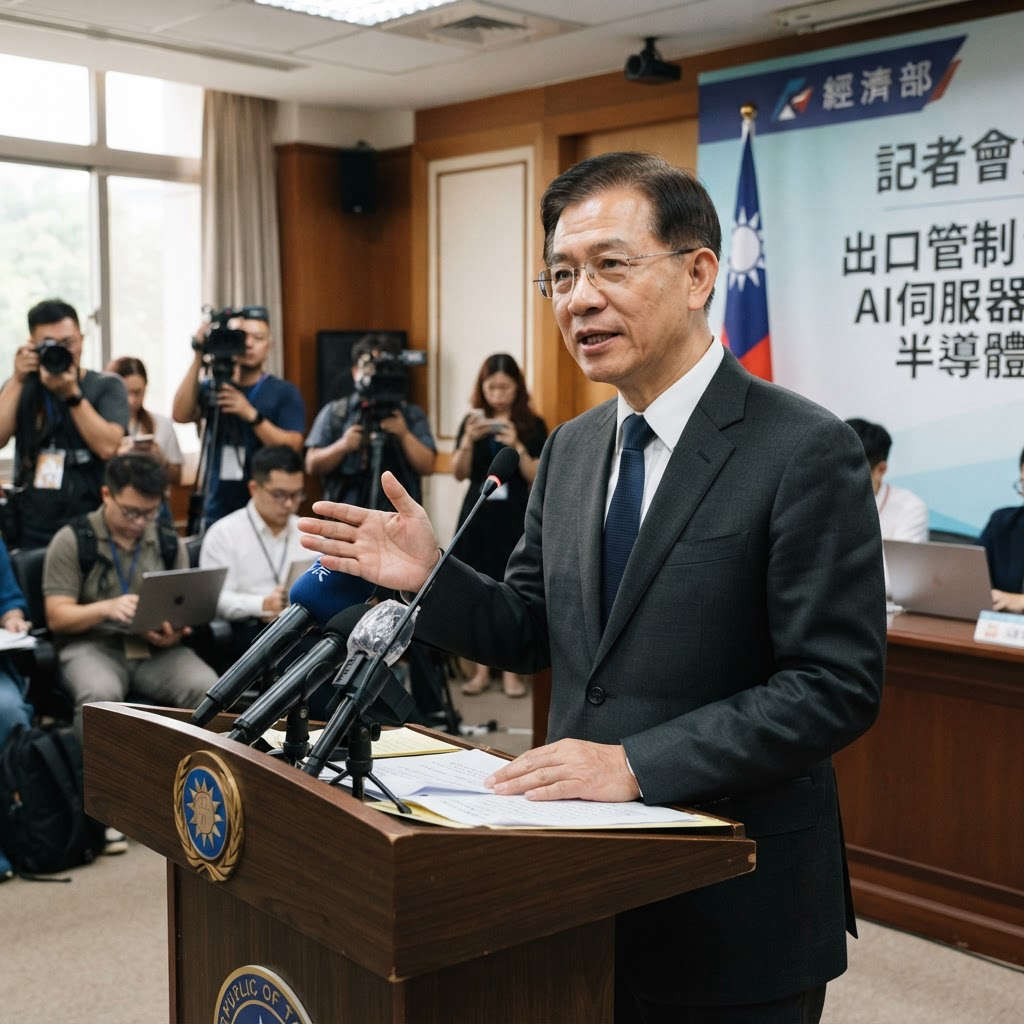
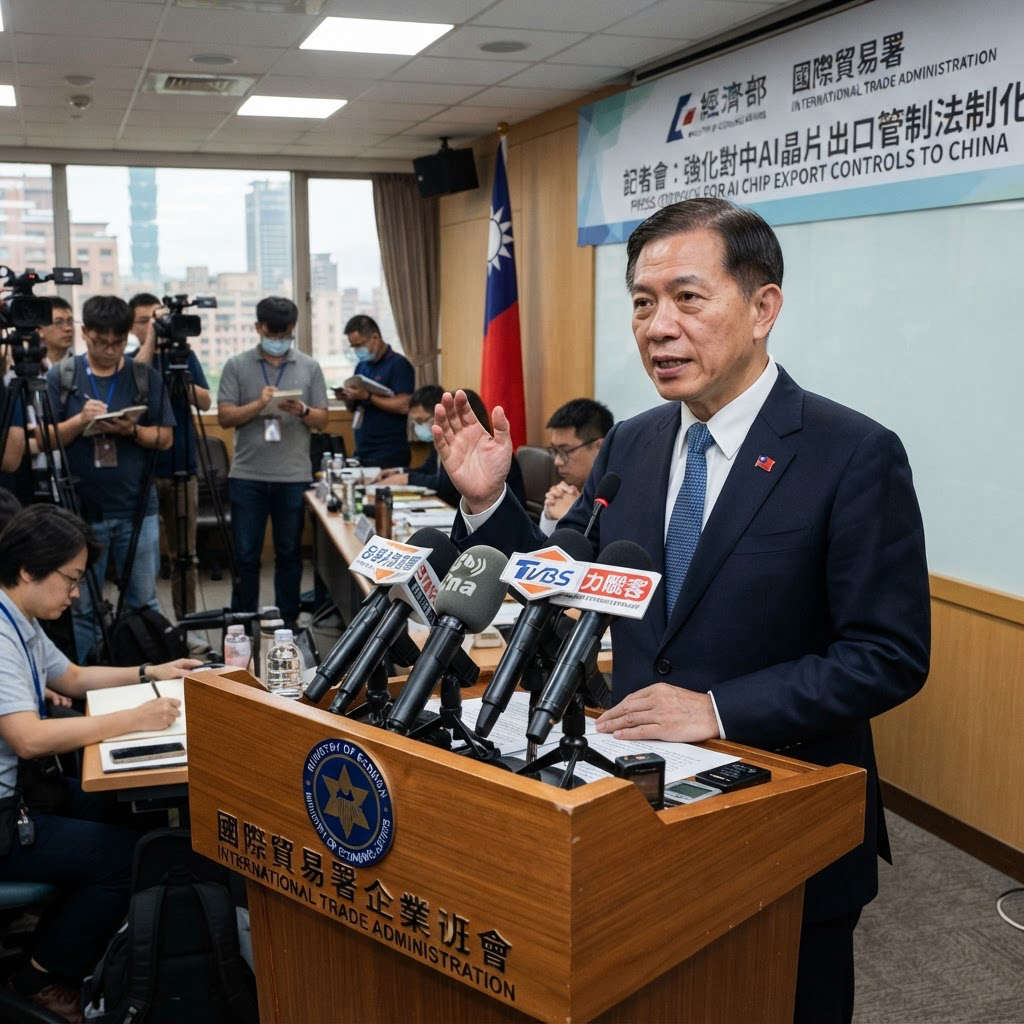
Taiwanese officials announced plans to criminalize the smuggling of high-performance AI chips to China to close existing legal loopholes in export controls. The Ministry of Economic Affairs stated that these measures are necessary to protect Taiwan's technological edge and align with international security standards. While the proposal aims to prevent the diversion of restricted hardware, some industry observers warn that it could complicate operations for Taiwanese firms caught between U.S. export restrictions and Chinese regulatory pressure. The legislative process is expected to face debate over the balance between national security and industrial autonomy.
Why This Matters to the United States
As Taiwan is a critical hub in the global semiconductor supply chain, these measures directly support U.S. efforts to restrict China's access to advanced AI hardware essential for military and intelligence modernization.
The key actors involved include the Taiwanese Ministry of Economic Affairs, specifically the International Trade Administration, which is spearheading the legislative push. On the corporate side, Nvidia is the primary manufacturer whose high-performance AI chips are the focus of the smuggling concerns. Huawei and other Chinese entities are identified as the primary recipients of these diverted technologies. Additionally, the U.S. Bureau of Industry and Security (BIS) plays a critical role by setting the global standards for export controls that Taiwan is now seeking to codify into its own criminal law.
The Taiwanese government is proposing to criminalize the smuggling of advanced AI chips to China. This move is intended to close a legal gap where current regulations are insufficient to deter the diversion of restricted hardware. The proposal follows reports of individuals conspiring to divert U.S.-assembled servers containing restricted Nvidia chips to China. The legislation aims to shift the regulatory framework from simple administrative fines to criminal penalties, reflecting the view that semiconductor export controls are now a core component of national security rather than just trade policy.
The primary jurisdiction is Taiwan, which serves as the global hub for semiconductor manufacturing. The destination for the illicit shipments is China, where these chips are used for military modernization, intelligence collection, and surveillance. The U.S. remains the primary architect of the underlying export control regime, with the policy impact extending globally across the semiconductor supply chain.
The proposal was discussed at a hearing on Monday, November 2, 2026. The legislative process is ongoing, and while the government is pushing for swift action, the divided nature of the Taiwanese legislature may slow the implementation. The U.S. has been incrementally tightening its own export controls since 2022, with the most recent updates occurring in late 2026.
The stated motivation is national security. Taiwan, as a global leader in semiconductor production, faces pressure from the U.S. to ensure its technology is not used to advance the military capabilities of adversarial nations. Conversely, Chinese experts and some industry leaders argue that these controls are a form of economic coercion and that they may inadvertently accelerate China's domestic semiconductor industry by forcing it to innovate independently. There is also a concern among Taiwanese firms that they are caught in a 'crossfire' between U.S. law and Chinese regulatory retaliation.
The mechanism involves amending existing trade laws to include criminal penalties for the unauthorized export of controlled goods. Currently, the Ministry of Economic Affairs can designate controlled goods by public notice, but the enforcement is limited. By elevating these violations to criminal offenses, the government intends to provide law enforcement with the tools to prosecute smugglers effectively. This process is part of a broader effort to align Taiwan's regulatory environment with the stringent export control regimes maintained by the United States and its allies.
Top Comments
The U.S. should provide technical assistance to Taiwan's customs and trade agencies to enhance real-time tracking of high-end semiconductor shipments. This intervention strengthens the integrity of the global supply chain but risks increasing diplomatic friction with Beijing. The benefit is a more secure technological perimeter for U.S. national security interests.
Market-based incentives should be offered to Taiwanese firms to diversify their supply chains away from Chinese markets, reducing their vulnerability to retaliatory fines. This approach relies on private sector adaptation to geopolitical realities, though it carries the risk of short-term revenue loss for affected companies. It ultimately secures U.S. interests by decoupling critical tech from adversarial influence.
Taiwanese authorities could implement a decentralized, blockchain-based ledger for all high-end chip transactions to ensure end-to-end visibility. This mechanism reduces reliance on centralized government oversight, though it requires significant initial investment and industry-wide adoption. It benefits the U.S. by creating an immutable audit trail for restricted technology.
Sources
Topics
- Universe One
- Semiconductors & Advanced Technology
- taiwan
- moves
- criminalize
- smuggling
- advanced
- chips
- china