Military Operations & Deployments
U.S. Military Posture in Middle East Ahead of Post-Midterm Period
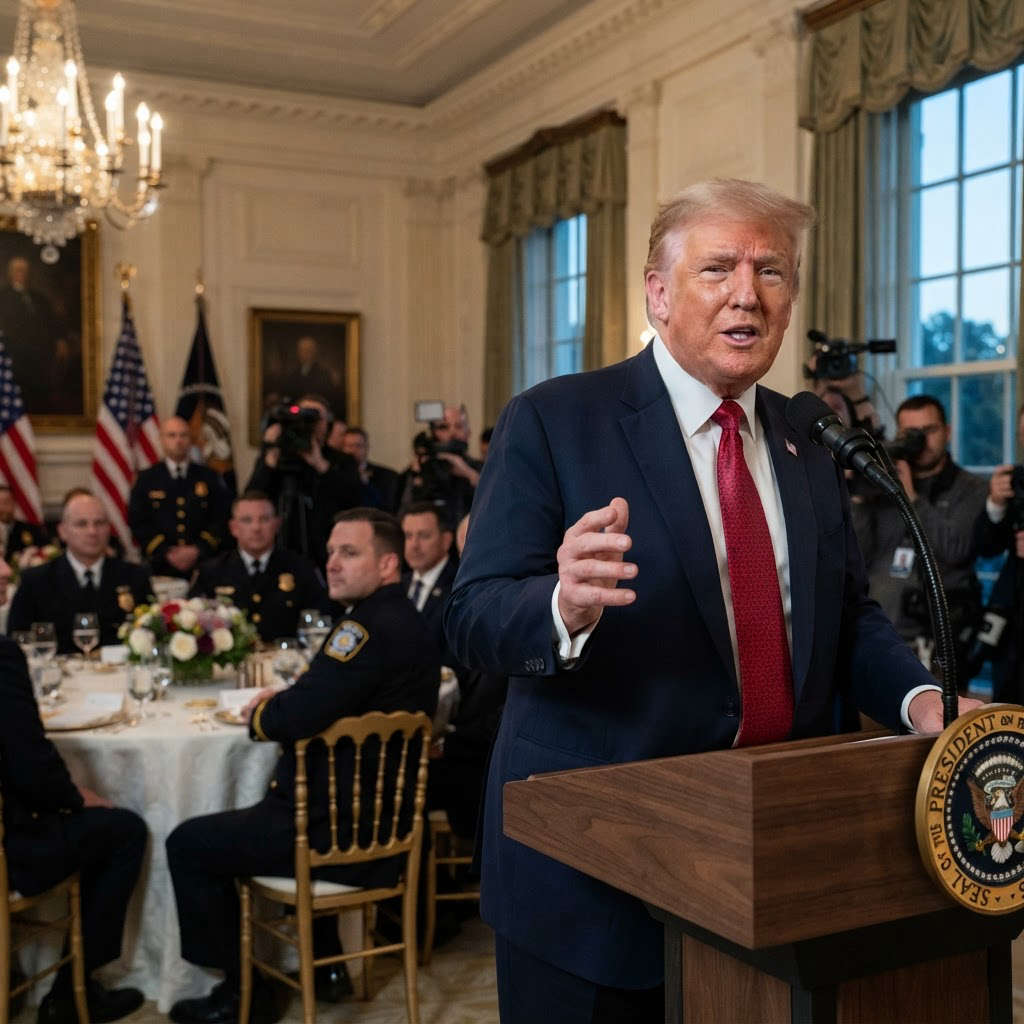
The United States has been deploying additional military assets to the Middle East as officials evaluate potential responses to Iran following the November midterm elections. Independent analysis has confirmed that Iranian strikes on U.S. bases have caused significant damage to infrastructure, including early-warning systems and aircraft hangars, leading to the relocation of some U.S. assets from the Persian Gulf. While the administration has not authorized major operations, officials have warned regional partners to prepare for potential renewed strikes and Iranian retaliation. Tensions remain high as diplomatic efforts to resolve the conflict continue.
This development directly impacts U.S. national security and the safety of thousands of service members stationed in the Middle East. The potential for renewed conflict threatens regional stability and global energy markets, necessitating a clear strategic response from the administration.
The primary actors involved include the United States Department of Defense, the U.S. Central Command (CENTCOM), and the Iranian military leadership, including the Supreme Leader Ayatollah Mojtaba Khamenei. Within the U.S., the administration is managing the response, while regional allies in the Gulf are receiving warnings regarding potential Iranian strikes.
The U.S. is currently engaged in a significant military repositioning across the Middle East. This includes the deployment of additional carrier strike groups and the relocation of Patriot missile systems. This buildup follows an analysis by the Associated Press confirming that previous Iranian strikes successfully targeted U.S. early-warning systems and aircraft hangars, resulting in billions of dollars in equipment damage and forcing the U.S. to move many assets out of the Persian Gulf.
The operations are centered in the Middle East, specifically targeting U.S. military bases and sites within the Persian Gulf region. The repositioning involves assets moving from the continental United States and other global theaters toward the Central Command area of responsibility.
The current buildup and warnings follow the November 3, 2026, midterm elections. The damage to U.S. bases occurred over the preceding months, with the most recent reports of Iranian military planning and U.S. asset movement surfacing in the 48 hours surrounding the election.
The stated motivations for the U.S. buildup are to deter further Iranian aggression and protect U.S. personnel and interests. Iran, conversely, has signaled through its leadership that it views U.S. presence as a threat and has called for updated target lists, citing a desire to respond to perceived U.S. and Israeli actions.
The U.S. is utilizing its carrier strike groups and amphibious readiness groups to project power and provide defensive coverage. The military is also employing satellite imagery and intelligence gathering to assess damage and monitor Iranian movements. The administration is balancing these military actions with diplomatic warnings to Gulf allies to prepare for potential escalations.
Why It Matters
This situation represents a critical juncture in U.S. foreign policy. The degradation of U.S. early-warning systems and the forced withdrawal of assets from the Persian Gulf indicate a shift in the regional balance of power. The U.S. must now decide whether to re-establish its previous posture through force or adapt to a new, more volatile reality.
What Happens Next
The immediate future depends on whether the post-election period results in a de-escalation or a new round of strikes. The arrival of additional carrier strike groups will be a key indicator of the administration's commitment to maintaining a presence in the region.
Key Unknowns
It remains unclear whether the U.S. will authorize a major offensive strike against Iranian infrastructure, as reports on the President's intentions remain speculative. Additionally, the full extent of the damage to U.S. capabilities and the long-term impact on regional alliances are still being assessed.
What to Watch
Watch for official statements from the White House regarding the authorization of new military operations and any reports of further Iranian strikes or diplomatic breakthroughs in the coming days.
Sources
Topics
- Universe One
- Military Operations & Deployments
- military
- posture
- middle
- east
- ahead
- post-midterm
- period