Federal Judge Strikes Down New York State Ban on Body Armor Sales
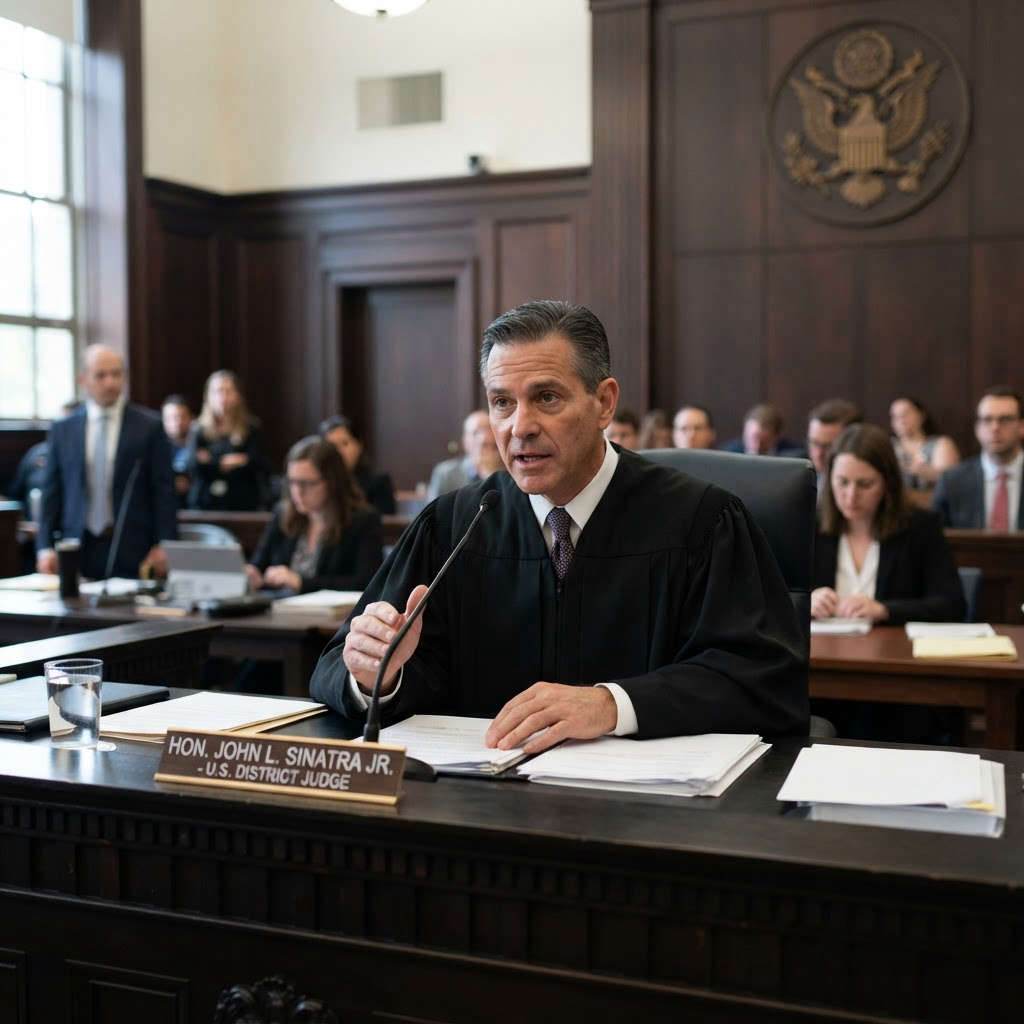
A federal judge in New York has issued a permanent injunction against the state's restrictions on the sale and purchase of body armor, ruling that the law violates the Second Amendment. The court applied the historical-analogy framework established in the Supreme Court's Bruen decision to determine that ballistic protection falls under constitutional protections. This ruling invalidates state-level limits that previously restricted access to body armor to specific professional groups. The decision marks a significant legal development in the ongoing debate over the scope of individual rights to defensive equipment.
This ruling directly impacts state-level authority to regulate defensive equipment and sets a legal precedent that could influence similar challenges to firearm and safety-related legislation across the United States.
The primary parties involved are the plaintiffs, represented by the Policy Coalition, and the defendants, representing the state of New York. The ruling was issued by a U.S. District Court judge, applying the legal standards set by the Supreme Court.
A federal judge has struck down New York's state-level restrictions on the sale and purchase of body armor. The court granted summary judgment to the plaintiffs and issued a permanent injunction against the enforcement of the state's law, which had previously limited access to ballistic protection to specific professional categories.
The ruling applies specifically to the jurisdiction of New York State. The case was heard in a federal district court, which has the authority to invalidate state laws that conflict with the U.S. Constitution.
The ruling was issued on October 29, 2026. This follows a series of legal challenges to state-level firearm and safety regulations in the wake of the Supreme Court's 2022 Bruen decision.
The court's decision was based on the Second Amendment of the U.S. Constitution. Applying the historical-analogy framework from New York State Rifle & Pistol Association v. Bruen, the judge concluded that body armor is protected under the Second Amendment because it is a form of defensive equipment that falls within the plain text of the amendment, and the state failed to provide a sufficient historical tradition of regulating such items.
The court utilized the summary judgment process to resolve the case without a full trial, determining that there were no material facts in dispute. By applying the Bruen test, the court shifted the burden to the state to prove that its regulation was consistent with the nation's historical tradition of firearm and safety regulation, a burden the state failed to meet in the eyes of the court.
This ruling is significant because it expands the scope of what is considered protected under the Second Amendment beyond firearms themselves to include defensive equipment. It signals a potential shift in how courts will evaluate future challenges to state-level safety regulations.
The state of New York is expected to consider an appeal to the Second Circuit Court of Appeals. Meanwhile, the permanent injunction prevents the state from enforcing the current restrictions, effectively opening the market for body armor sales to the general public in New York.
Key Unknowns
It remains unclear whether other states with similar body armor restrictions will face immediate legal challenges or if they will proactively amend their laws to avoid similar injunctions. Additionally, the long-term impact on law enforcement operations and public safety remains a subject of debate.
Watch for the state's formal response and any potential filings for a stay of the injunction. Also, monitor for similar lawsuits in other jurisdictions that maintain restrictions on defensive equipment.
Sources
- Grassroots Judicial Report—October 28 2026 — The Gun Mag
- Federal Judge Strikes Down New York Body Armor Ban — Reuters
Topics
- Universe One
- Gun Policy & Mass Shootings
- federal
- judge
- strikes
- down
- york
- state
- body
- armor
- sales