Global Economy & Markets
U.S. Midterm Elections and October Jobs Report Set to Drive Global Market Volatility
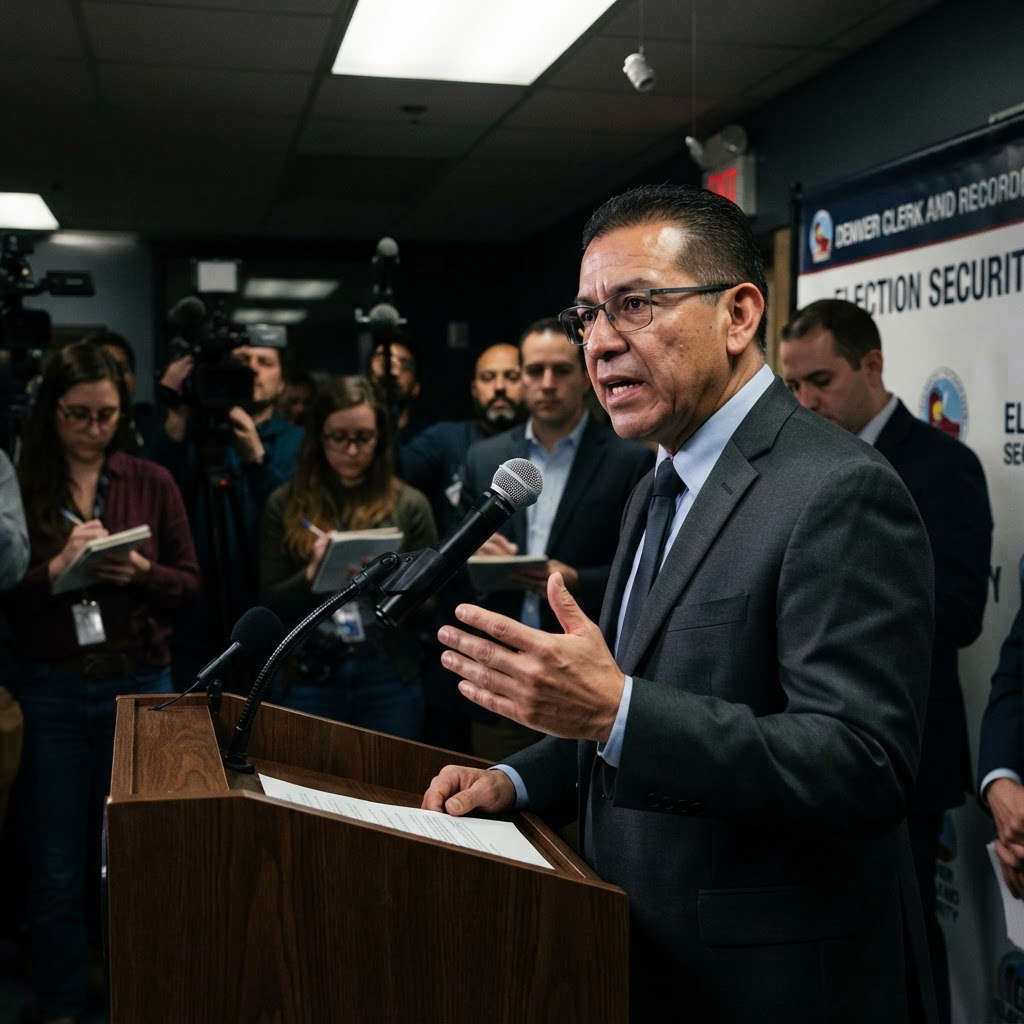
Summary
Global financial markets are bracing for significant volatility this week as the United States prepares for midterm elections and the release of the October nonfarm payrolls report. Analysts suggest that a potential Democratic sweep could introduce uncertainty regarding fiscal policy, debt ceiling negotiations, and existing trade tariffs. Meanwhile, investors are closely monitoring labor market data to gauge the Federal Reserve's future interest rate trajectory. These domestic events are expected to influence currency valuations and bond yields across international markets.
The outcome of the midterm elections and the strength of the U.S. labor market directly dictate federal fiscal policy, interest rate decisions by the Federal Reserve, and the stability of the U.S. dollar in global trade.
The key actors involved include the Federal Reserve, which manages interest rate policy; the U.S. electorate, currently participating in the 2026 midterm elections; Congressional leaders from both parties; and global financial institutions monitoring U.S. fiscal stability. Analysts from firms like ING and Standard Chartered are providing the market intelligence that informs investor behavior.
The primary event is the convergence of the 2026 U.S. midterm elections and the release of the October nonfarm payrolls report. Markets are reacting to the potential for a shift in congressional control, which could alter the trajectory of U.S. fiscal policy, trade tariffs, and debt ceiling negotiations. Simultaneously, the jobs report is being scrutinized for evidence of economic strength or weakness to predict the Federal Reserve's future interest rate decisions.
The events are centered in the United States, with global implications for currency markets (FX), bond yields, and international trade relations. The impact is felt across global financial hubs, including London, Tokyo, and Frankfurt, as investors adjust to the potential for U.S. policy shifts.
The midterm elections are scheduled for Tuesday, November 3, 2026. The October nonfarm payrolls report is due for release on Friday, November 6, 2026. These events occur within a week of other significant global economic decisions, such as the Bank of England's expected rate hike.
The motivation for market focus is the need for clarity on U.S. economic policy. Investors are concerned that a Democratic sweep could lead to gridlock on the debt ceiling and potential damage to AI-related sentiment, while a Republican retention of power might signal a continuation of current tariff-heavy trade policies. The Federal Reserve is balancing the need to control inflation with the risk of triggering a recession, making the jobs data a critical indicator.
Market participants use economic calendars and analyst notes to position their portfolios. The Federal Reserve utilizes interest rate adjustments as its primary mechanism to influence the economy. Congress uses its legislative authority to set fiscal policy, while the executive branch manages trade policy through tariffs and bilateral agreements. The interaction of these mechanisms creates the volatility currently observed in global markets.
This convergence of political and economic events is a bellwether for the U.S. economy's resilience. The outcome will determine whether the U.S. can maintain its growth trajectory or if it will succumb to the pressures of inflation, political polarization, and trade instability.
Following the election results, markets will likely experience a period of adjustment as investors price in the new political reality. The jobs report will then provide the next major data point for the Federal Reserve's December meeting.
Key Unknowns
The primary unknowns are the exact margin of victory in the midterms, the specific content of the jobs report, and how the Federal Reserve will interpret these signals in the context of persistent inflation.
Watch for the official election results, the nonfarm payrolls figure, and any subsequent statements from Federal Reserve officials regarding the pace of future interest rate hikes.
Sources
- Week Ahead for FX, Bonds: U.S. Midterms, Jobs Data in Focus; BOE Expected to Raise Rates — Morningstar
- Weekly Trade — Politico
Topics
- Universe One
- Global Economy & Markets
- midterm
- elections
- october
- jobs
- report
- drive
- global
- market
- volatility