Georgia Constitutional Court Holds Hearings on Ruling Party Lawsuit to Ban Opposition Parties
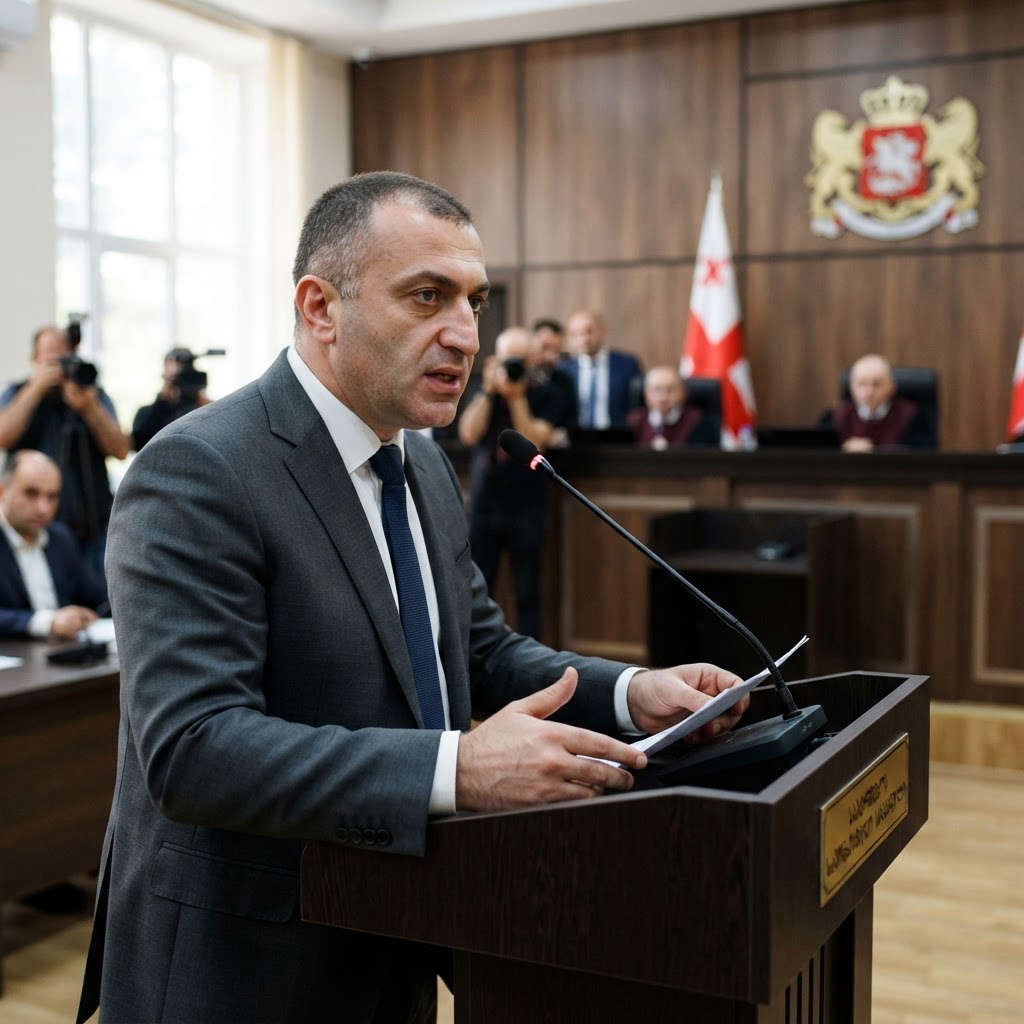
The Georgian Constitutional Court has commenced hearings regarding a lawsuit filed by the ruling Georgian Dream party that seeks to legally ban five major opposition parties. This legal action follows a period of intense political instability and persistent protests that have gripped the nation since late 2024. Opposition leaders have responded by launching a renewed protest campaign to challenge the government's efforts to consolidate power. The proceedings are being closely monitored by international observers concerned about the erosion of democratic norms in the Caucasus region.
The primary actors involved are the Georgian Dream party, which currently holds power and initiated the lawsuit, and the five major opposition parties currently facing the threat of a ban. The Constitutional Court of Georgia serves as the adjudicating body. International stakeholders, including the European Union, the Council of Europe's Venice Commission, and the United States, are closely monitoring the situation due to its implications for regional stability.
The ruling party has filed a lawsuit seeking to legally dissolve five opposition parties, alleging they have engaged in activities that threaten national security and constitutional order. This move is the latest escalation in a long-standing political crisis that has seen near-daily protests in Tbilisi since late 2024. The opposition characterizes the lawsuit as a blatant attempt to eliminate political competition and consolidate power, while the government maintains it is a necessary legal measure to ensure stability.
The events are centered in Tbilisi, Georgia, specifically within the halls of the Constitutional Court and the streets surrounding the Parliament of Georgia, where protests have been concentrated. The jurisdiction is strictly within the Georgian legal system, though the implications extend across the Black Sea region.
The political crisis has been ongoing since late 2024, with the lawsuit to ban opposition parties being formally announced in November 2025. The Constitutional Court officially announced it would hear the case on October 6, 2026, with the actual hearings taking place between October 21 and October 23, 2026. The situation remains fluid as the court deliberates.
The Georgian Dream party claims that the opposition parties have been involved in illegal activities and foreign-backed efforts to destabilize the country. Conversely, the opposition and international observers argue that the government is attempting to stifle dissent and prevent any challenge to its rule, particularly as the country faces pressure regarding its path toward Euro-Atlantic integration. The Kremlin has been accused of supporting the government's measures, further complicating the geopolitical landscape.
The process is being conducted through the Constitutional Court of Georgia, which has the authority to interpret the law and rule on the legality of political organizations. The government is utilizing existing legal frameworks, including the Organic Law on Political Associations of Citizens, to build its case. The opposition is responding through public protests and legal challenges, while international bodies are providing opinions and amicus curiae briefs to influence the proceedings and highlight potential violations of democratic standards.
Sources
- The Georgia Fake Electors Scheme: What Does Legal and Political History Tell Us About These Charges? — The Heritage Foundation
- CrisisWatch Georgia October 2026 — International Crisis Group
- Georgia - Opinion on the amendments of 16 October 2025 to the Organic Law on Political Associations of Citizens — Council of Europe
Topics
- Universe One
- Coups & Political Upheaval
- georgia
- constitutional
- court
- holds
- hearings
- ruling
- party
- lawsuit
- opposition
- parties