Human Rights & Refugees
Federal Court Temporarily Blocks DHS Rule Shortening Refugee Status Termination Notice Period
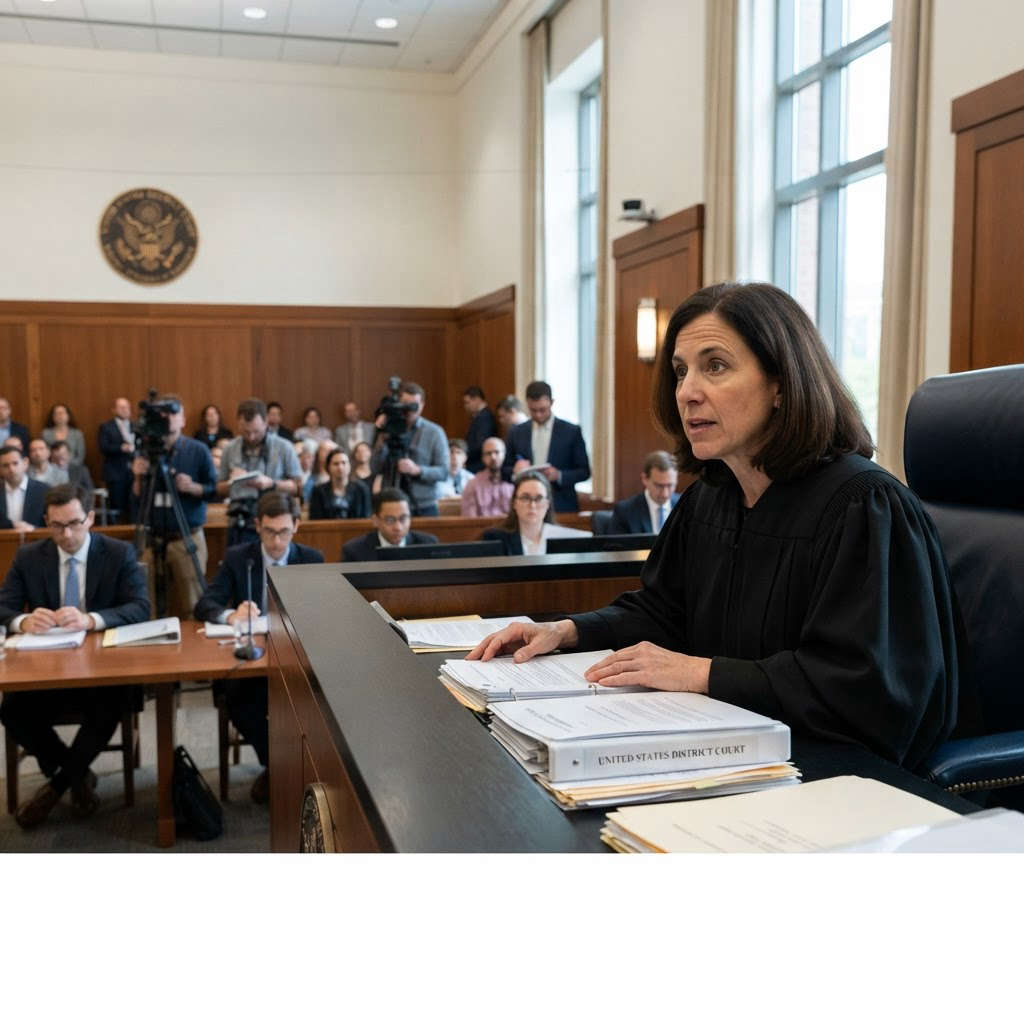
A federal judge in Boston has issued a temporary administrative stay on a Department of Homeland Security interim rule that reduced the response window for refugees facing status termination from 30 days to 10 days. The order, issued on October 27, 2026, pauses the implementation of the rule through November 6, 2026, while the court considers a legal challenge filed by a coalition of resettlement groups and individual refugees. The plaintiffs argue that the shortened timeline violates due process rights and federal law. The rule, which took effect on October 14, 2026, was intended by the administration to expedite administrative procedures for status reviews.
This ruling directly impacts the legal security and due process rights of refugees currently residing in the United States, influencing how the federal government manages immigration status and administrative compliance.
The primary actors involved in this legal and administrative dispute include the Department of Homeland Security (DHS), which issued the interim rule; the Office of Refugee Resettlement (ORR), which manages resettlement services; a coalition of refugee resettlement agencies and nonprofits; and the four individual refugees who filed the lawsuit. The federal court in Boston is the judicial body currently presiding over the case.
The core of the issue is an interim rule announced by DHS on October 14, 2026, which significantly shortened the response window for refugees receiving a notice of intent to terminate their status. The rule reduced the time allowed for a response from 30 days to 10 days. The plaintiffs argue that this change denies refugees their due process rights and violates the Administrative Procedure Act, as it does not provide sufficient time for individuals to secure legal counsel, gather evidence, or prepare a defense against the termination of their status.
The legal challenge is taking place in a federal court in Boston, Massachusetts. The policy itself is a national directive issued by the federal government, affecting refugees across all states participating in the U.S. refugee admissions program.
The interim rule was announced on October 14, 2026. The lawsuit was filed on Monday, October 26, 2026. The court issued the temporary block shortly thereafter. The broader context includes the recent expansion of Refugee Cash Assistance and Refugee Medical Assistance eligibility to 12 months, as announced by ORR on October 1, 2026, which highlights the administration's ongoing efforts to adjust resettlement policies.
The administration's stated motivation for the rule change is to streamline administrative procedures and improve the efficiency of the refugee status review process. Conversely, the plaintiffs and resettlement agencies argue that the 10-day window is arbitrary and punitive, creating an impossible burden for refugees who often lack the resources or language proficiency to navigate complex legal notices within such a short timeframe. They contend that the rule is designed to facilitate rapid status terminations rather than ensure fair adjudication.
The process involves the issuance of a Notice of Intent to Terminate status by DHS. Under the new rule, the recipient has 10 days to respond. The lawsuit challenges the legality of this process, seeking a permanent injunction against the rule. The court's temporary block prevents the government from enforcing the 10-day deadline while the case is litigated. The broader resettlement system is also undergoing changes, such as the new state-centric pilot program announced by HHS on October 19, 2026, which aims to transition more placement and coordination responsibilities to the states.
This case is a critical test of the balance between executive authority in immigration enforcement and the constitutional protections afforded to individuals within the U.S. system. It highlights the tension between administrative efficiency and the fundamental right to due process.
The court will hold further hearings to determine whether to grant a preliminary injunction or a permanent block on the rule. The outcome will set a significant precedent for how the government can modify procedural rules for immigration status.
Key Unknowns
It is currently unclear how many refugees have already been affected by the 10-day rule before the court's intervention, and whether the government will attempt to appeal the temporary block to a higher court.
Watch for the government's formal response to the lawsuit and any subsequent rulings from the Boston federal court that could clarify the scope of the injunction.
Sources
- Boston federal court temporarily blocks new refugee policy — Axios
- HHS Announces State-Centric Refugee Resettlement Pilot Program — Federal Funds Information for States
Topics
- Universe One
- Human Rights & Refugees
- federal
- court
- temporarily
- blocks
- rule
- shortening
- refugee
- status
- termination
- notice