Humanitarian Crises & Foreign Aid
U.S. and International Coalition Issue Urgent Warning Over Impending Famine in Sudan
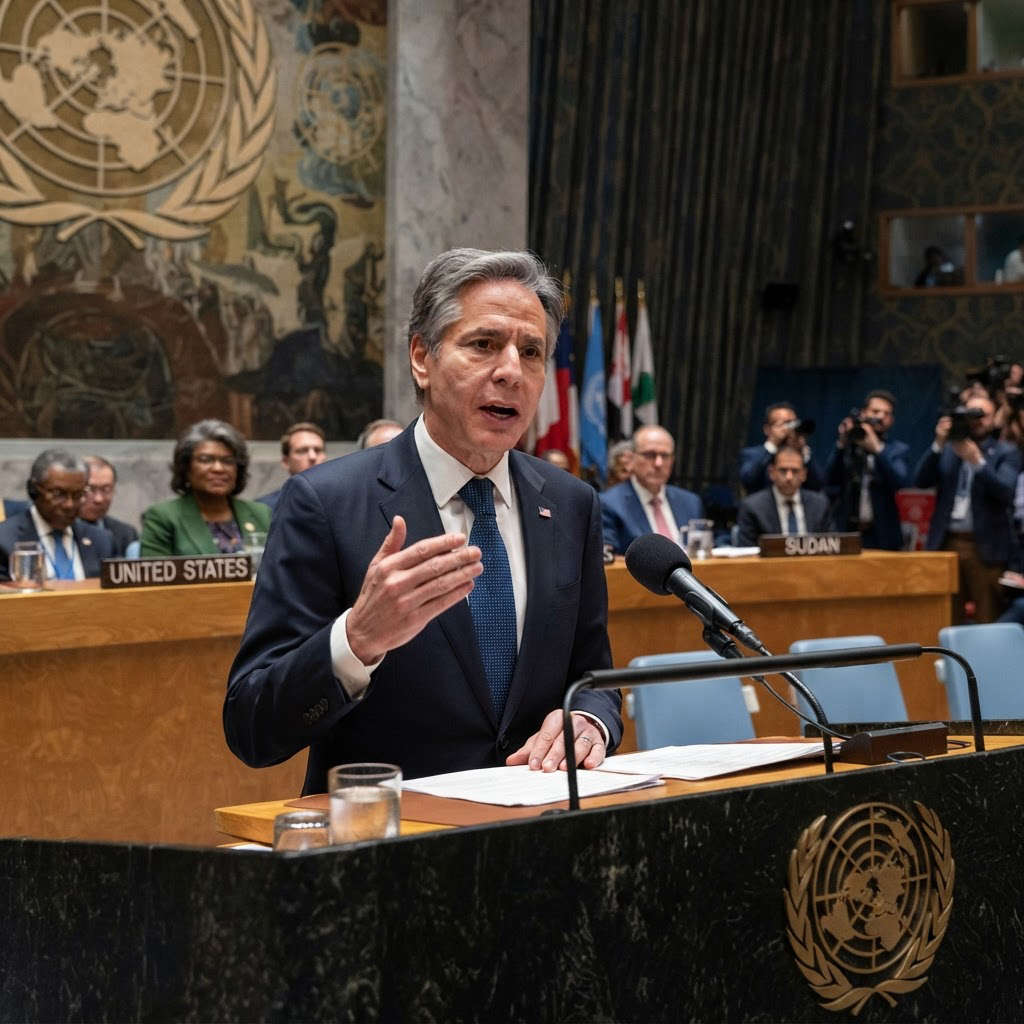
The United States and over 30 international partners have issued a joint statement warning of an alarming deterioration in food security across Sudan. The coalition urges the warring parties to immediately remove all impediments to humanitarian aid, including facilitating cross-border and cross-line access. With an estimated 19.5 million people facing acute food insecurity, the signatories are calling for an urgent scale-up in global funding and support. The conflict remains the primary driver of the crisis, which has displaced millions and severely damaged critical infrastructure.
The primary actors involved in the current humanitarian crisis in Sudan include the Sudanese Armed Forces (SAF) and the Rapid Support Forces (RSF), the two rival military factions whose conflict has driven the country to the brink of famine. The international coalition, led by the United States, includes major European powers, Australia, and various UN agencies such as the World Food Programme (WFP), UNICEF, and the International Organization for Migration (IOM). These organizations are responsible for the delivery of aid and the monitoring of food security levels.
The situation is defined by an alarming deterioration in food security, with an estimated 19.5 million people—roughly 41% of the population—experiencing high levels of acute food insecurity. The Integrated Food Security Phase Classification (IPC) has warned that 5 million people are currently facing emergency levels of hunger. The joint statement issued by the U.S. and its partners demands that the warring parties lift all impediments to humanitarian assistance, including authorizing cross-line and cross-border routes and ensuring the protection of aid workers.
The crisis is nationwide, with significant impacts in Darfur, Blue Nile State, and Omdurman. The conflict has displaced millions, and the destruction of critical infrastructure has severely hampered the ability of humanitarian organizations to reach those in need. The Adre Border crossing from Chad has been a critical, albeit contested, route for aid delivery.
The conflict has been ongoing since 2023, with a significant escalation in humanitarian needs reported throughout 2026. The joint statement was released in late October 2026, following reports that the humanitarian system in Sudan could collapse within weeks due to funding shortfalls and access restrictions. As of late October 2026, the situation remains critical, with ongoing reports of drone strikes and civilian casualties.
The primary driver of the hunger crisis is the civil war, which has disrupted agricultural production, destroyed markets, and displaced the workforce. Additionally, the country has faced challenges from drought and the El Niño weather pattern. The warring parties have been accused of using the obstruction of aid as a tactical weapon, leading to international condemnation and accusations of war crimes.
Humanitarian aid is currently delivered through a combination of road and air routes, though these are frequently blocked or targeted by the warring factions. The international community is attempting to use diplomatic pressure, joint statements, and calls for increased funding to force the parties to comply with international humanitarian law. Financial institutions are being urged to adapt their programs to the current food security situation to provide more flexible support.
Why It Matters
The potential for a full-scale famine in Sudan represents a catastrophic failure of international diplomacy and humanitarian protection. It threatens to destabilize the entire East African region, creating a massive refugee crisis and providing fertile ground for extremist groups to gain influence.
What Happens Next
The international community will likely continue to pressure the warring parties while attempting to scale up funding. If access is not granted, the U.S. and its partners may face difficult decisions regarding the use of alternative, potentially more risky, aid delivery methods or the imposition of further sanctions.
Key Unknowns
It remains unclear whether the warring parties will prioritize the survival of their population over their military objectives. Additionally, the total amount of funding that will actually be mobilized remains uncertain, as previous appeals have been significantly underfunded.
What to Watch
Watch for any changes in the status of the Adre Border crossing and reports of increased access to Darfur. Any further escalation in drone strikes or attacks on civilian infrastructure will be a key indicator of the parties' willingness to adhere to international demands.
Sources
- US, EU and 30 countries warn of famine risk in Sudan, call for aid — Al Jazeera
- Joint Statement on Famine in Sudan — United States Department of State
Topics
- Universe One
- Humanitarian Crises & Foreign Aid
- international
- coalition
- issue
- urgent
- warning
- impending
- famine
- sudan