Diplomacy & Treaties
U.S. and South Korea Announce New Strategic Nuclear Consultative Framework
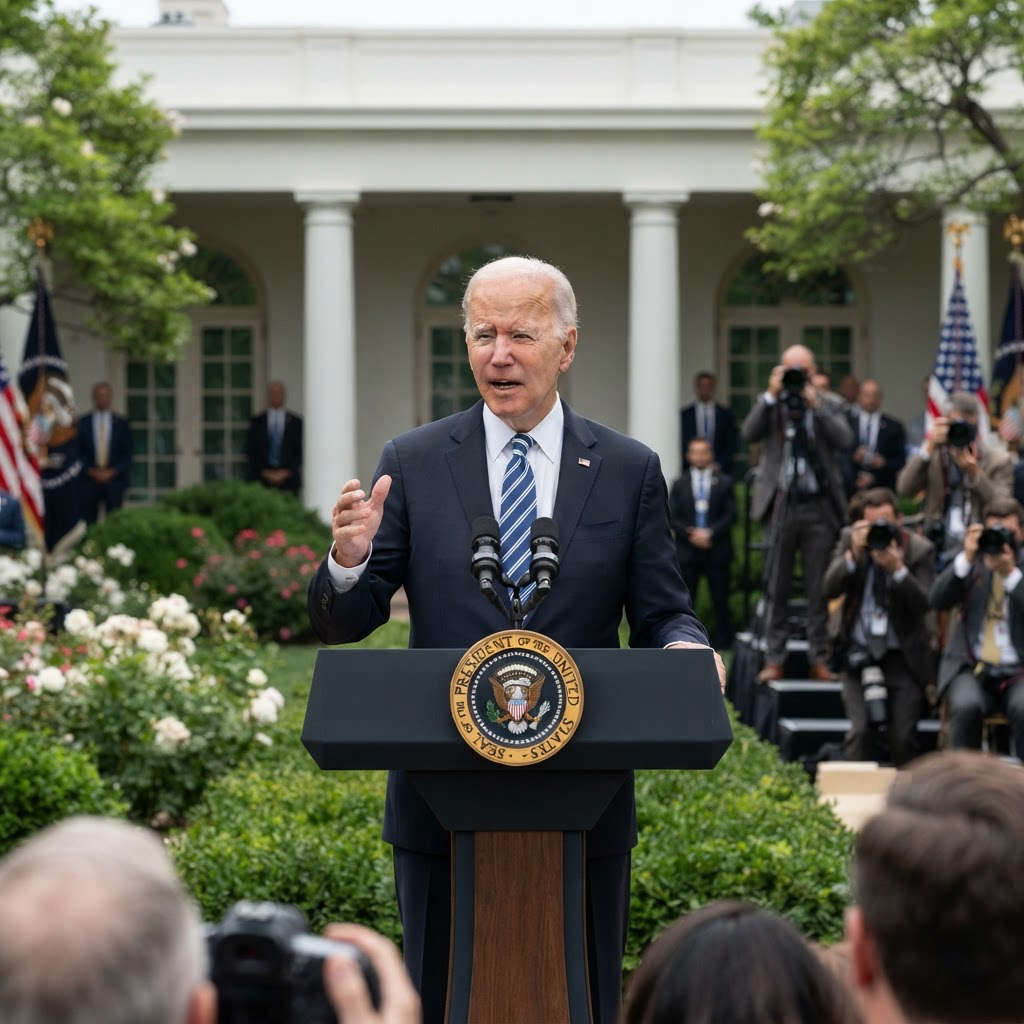
The United States and South Korea have officially launched a new strategic nuclear consultative framework to enhance extended deterrence against regional threats. This agreement establishes a permanent mechanism for joint planning and information sharing regarding nuclear and strategic assets. The initiative aims to solidify the alliance's posture in response to evolving security challenges on the Korean Peninsula. Both nations have committed to regular high-level meetings to coordinate responses to potential nuclear contingencies.
The primary actors involved are the United States Department of Defense and the South Korean Ministry of National Defense. Key figures include the U.S. Secretary of Defense and the South Korean Minister of National Defense, who have spearheaded the negotiations. The Nuclear Consultative Group (NCG) serves as the institutional body responsible for the implementation of this framework.
The framework is a formal, permanent mechanism for extended deterrence coordination. It involves regular, high-level consultations on nuclear and strategic planning, information sharing, and joint exercises. The goal is to ensure that South Korea has a clear understanding of, and input into, the U.S. nuclear umbrella, thereby enhancing the credibility of the deterrent against regional threats.
The jurisdiction covers the Korean Peninsula and the broader Indo-Pacific region. The consultations will take place in both Washington, D.C., and Seoul, with operational coordination occurring across various military command centers in the region.
The framework was officially launched on October 31, 2026. It is designed as a permanent, ongoing structure, with the first high-level consultative meeting scheduled for early 2027. The framework is intended to evolve over time to address changing security conditions.
The stated motivation is to address the growing nuclear and missile capabilities of regional adversaries. Both nations seek to reassure their respective publics of the strength of the alliance and to deter potential aggression by demonstrating a unified, credible, and integrated defense posture. The U.S. aims to prevent nuclear proliferation in the region by providing a robust alternative to independent nuclear development.
The mechanism operates through a tiered structure of working groups and high-level meetings. It facilitates the exchange of classified intelligence, joint planning for nuclear contingencies, and the integration of conventional and nuclear assets in military exercises. The legal authority is derived from the existing Mutual Defense Treaty between the United States and the Republic of Korea, which provides the foundation for this enhanced cooperation.
This development represents a significant shift in the U.S. approach to alliance management in the Indo-Pacific. By formalizing nuclear consultation, the U.S. is signaling a deeper, more institutionalized commitment to regional security. This has profound implications for the regional balance of power and the future of non-proliferation efforts.
The immediate next step is the establishment of the working groups and the scheduling of the first consultative meeting. Observers will be watching for the scope and frequency of joint exercises and the level of transparency regarding the planning process.
Key Unknowns
The extent of the classified information sharing remains a key unknown, as does the specific threshold for triggering joint nuclear responses. The long-term impact on regional diplomatic efforts, particularly with other regional powers, remains to be seen.
Watch for the reaction of regional adversaries, specifically any changes in their missile testing patterns or rhetoric. Also, monitor the U.S. congressional response to the framework, as it may influence the level of funding and political support for the initiative.
Sources
Topics
- Universe One
- Diplomacy & Treaties
- south
- korea
- announce
- strategic
- nuclear
- consultative
- framework