Russia & Ukraine
Intense Combat Continues Near Pokrovsk as Ukraine Reports 264 Daily Frontline Clashes
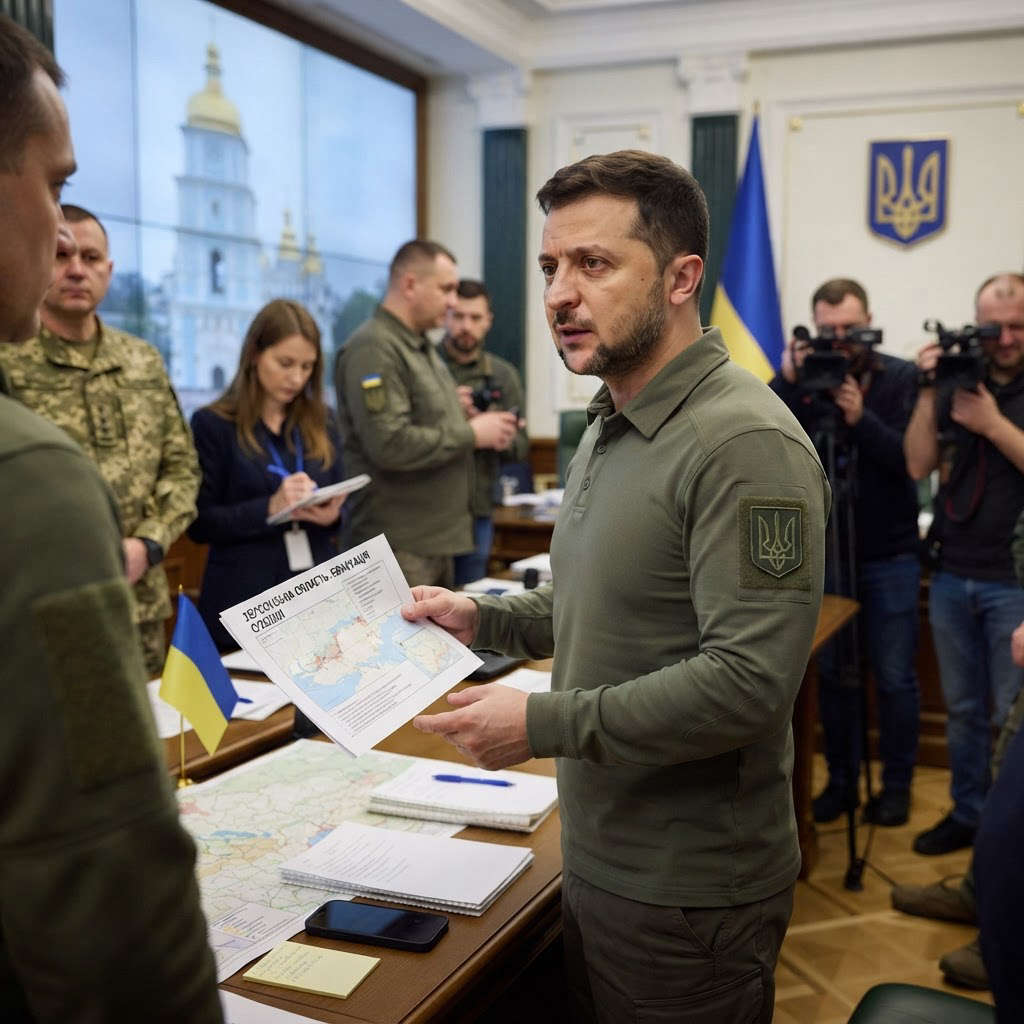
The General Staff of the Armed Forces of Ukraine reported 264 combat engagements along the front line over a 24-hour period, with the highest intensity of fighting occurring near Pokrovsk. Ukrainian forces conducted drone strikes against a solid rocket fuel plant in Rostov Oblast and oil refineries. Meanwhile, a localized humanitarian ceasefire in Oleshky has allowed for aid deliveries and the evacuation of civilians to government-controlled territory. Russian forces continue to report tactical activity in the Kupyansk and Krasny Liman sectors.
The primary actors involved in the current escalation include the General Staff of the Armed Forces of Ukraine, which coordinates defensive operations and long-range strikes, and the Russian Ministry of Defense, which continues offensive maneuvers near Pokrovsk and Kupyansk. International observers, including the Institute for the Study of War (ISW), provide ongoing assessments of the battlefield. The U.S. Department of State remains a key institutional actor through its approval of military aid, specifically the sale of 500 Patriot PAC-3 interceptors.
The conflict has entered a phase of high-intensity combat, with 264 reported clashes in a 24-hour period. Ukraine has intensified its long-range strike campaign, targeting the Kamensky plant in Rostov Oblast—a facility critical for solid rocket fuel production—and oil refineries in the Bashkortostan Republic. Simultaneously, a rare humanitarian ceasefire in Oleshky has allowed for the return of civilians, marking a localized success in de-escalation. Russian forces continue to report tactical gains near the Kupyansk-Yuzhny railway station and in the vicinity of Dobropolye.
Combat is concentrated along the eastern front, specifically in the Donetsk Oblast near Pokrovsk, and the Kharkov direction near Kupyansk. Strikes on Russian industrial infrastructure have occurred deep within Russian territory, specifically in Rostov Oblast and the Bashkortostan Republic. The humanitarian corridor is located in the occupied Kherson Oblast.
The reported developments cover the period from October 30 to November 1, 2026. The high-intensity combat and drone strikes occurred overnight on October 30-31, with the General Staff report issued on the morning of November 1.
Ukraine’s strategy involves a dual approach: maintaining defensive lines against Russian pressure while systematically degrading the Russian military-industrial complex through long-range strikes. Russia’s stated motivation remains the capture of key logistical hubs like Pokrovsk to facilitate further territorial control. The humanitarian ceasefire in Oleshky is framed by Ukrainian leadership as proof that de-escalation is possible when Russia is pressured to comply.
Ukraine utilizes a combination of domestic drone technology and international military aid to conduct strikes. The humanitarian corridor operates through negotiated, localized agreements that bypass the broader diplomatic impasse. Russian offensive operations rely on massed infantry and artillery, despite high reported personnel losses, which the Ukrainian General Staff estimates at over 1.5 million since the start of the invasion.
Sources
Topics
- Universe One
- Russia & Ukraine
- intense
- combat
- continues
- near
- pokrovsk
- ukraine
- reports
- daily
- frontline
- clashes