Russia & Ukraine
Ukraine and Russia Implement Localized Ceasefire in Oleshky for Humanitarian Relief
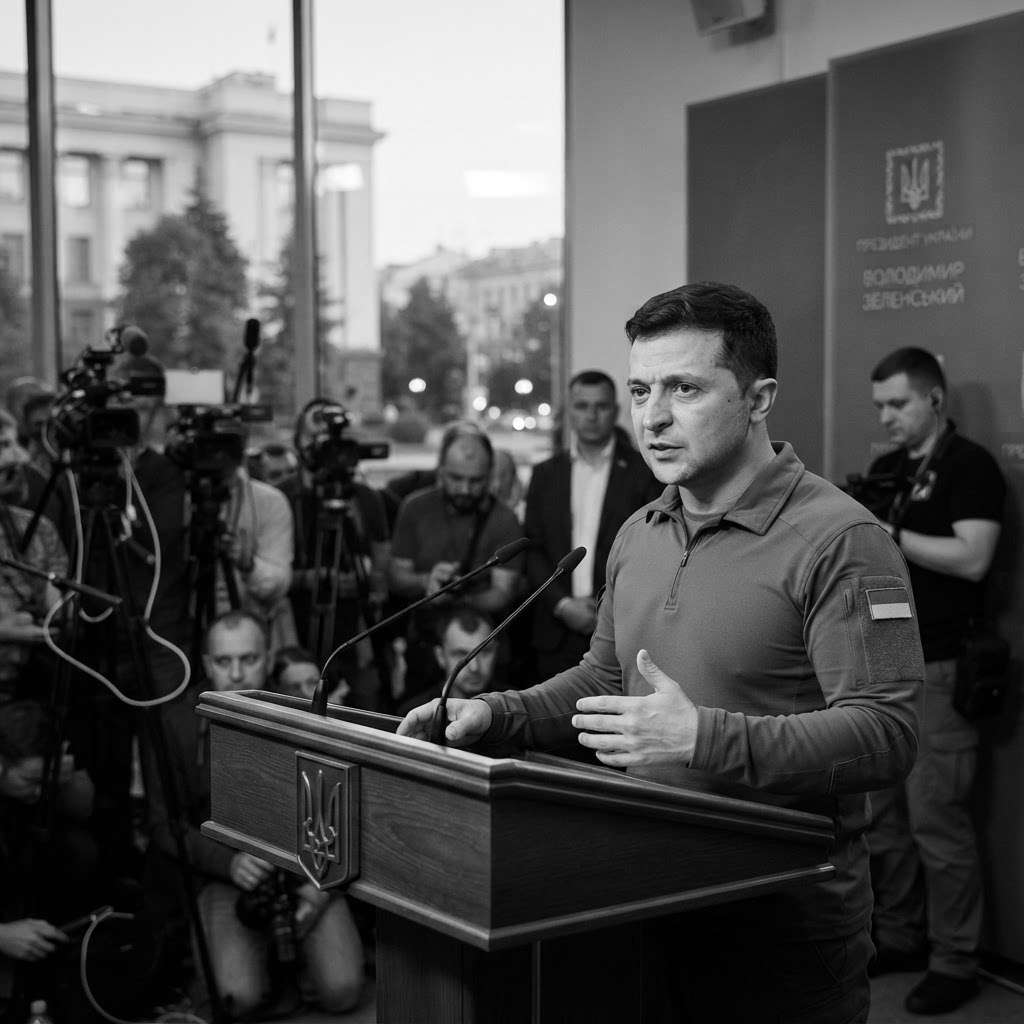
Ukrainian and Russian forces have initiated a localized, temporary ceasefire in the frontline city of Oleshky to facilitate humanitarian aid and civilian evacuations. The agreement, which follows reports of acute shortages of food, water, and medicine, is being viewed by President Zelensky as a potential proof-of-concept for broader de-escalation efforts. While the Kremlin has expressed openness to such humanitarian pauses, it maintains that these local truces do not signal a broader cessation of hostilities. The United States continues to advocate for stability in the region, emphasizing the global impact of supply chain disruptions.
The key actors involved in the Oleshky ceasefire include the Ukrainian government, the Russian military, and the United States, which is acting as a mediator. President Volodymyr Zelensky has publicly supported the initiative, while the Kremlin, represented by spokesperson Dmitry Peskov, has confirmed its willingness to engage in localized humanitarian pauses. The US administration, including the First Lady's office, has been credited with brokering the specific agreement for Oleshky.
A localized, temporary ceasefire has been implemented in the Russian-occupied city of Oleshky to allow for the delivery of humanitarian aid and the evacuation of civilians. This agreement is distinct from the broader conflict, as both sides have explicitly stated that it does not constitute a general cessation of hostilities. The move follows reports of severe shortages of food, water, and medicine in the region.
The ceasefire is specifically focused on Oleshky, a frontline city in the Kherson region of Ukraine that is currently under Russian control. The broader diplomatic efforts, including the upcoming technical-level talks, are scheduled to take place in Abu Dhabi.
The ceasefire was reported to be in effect as of late October 2026, with humanitarian operations ongoing through the start of November. The next round of trilateral technical talks is slated for the first half of November 2026.
The primary motivation for the ceasefire is the dire humanitarian situation in Oleshky, where civilians have faced acute shortages of basic necessities. For Ukraine, the ceasefire is a test of whether de-escalation is possible. For Russia, it serves as a limited humanitarian gesture that does not interfere with its broader military objectives. The US is pushing for these measures to stabilize the region and mitigate the global impact of the war, particularly regarding food security.
The ceasefire was achieved through trilateral diplomatic channels involving the US, Ukraine, and Russia. The mechanism relies on local coordination between military commanders on the ground to ensure safe passage for aid convoys and civilians. The process is fragile and depends on the continued political will of all three parties to maintain the localized pause despite the ongoing intensity of the wider conflict.
This development is significant because it represents a rare instance of cooperation between the warring parties. If successful, it could provide a template for further humanitarian interventions and potentially build the trust necessary for more substantive peace negotiations. However, its limited scope means it does not address the fundamental territorial and political disputes driving the war.
The immediate focus will be on the success of the humanitarian operation in Oleshky. Following this, attention will shift to the trilateral technical talks in Abu Dhabi, where the parties will attempt to address more complex issues. The outcome of these talks will likely determine whether the current localized de-escalation can be expanded.
Key Unknowns
It remains unclear whether the ceasefire will be extended to other frontline cities or if it will be violated by either side. Additionally, the extent to which the US can influence the broader trajectory of the war through these technical-level talks is a major point of uncertainty.
Watch for reports on the successful delivery of aid in Oleshky and any statements from the Kremlin or the Ukrainian government regarding the expansion of the ceasefire. The upcoming Abu Dhabi talks will be the most critical indicator of whether this localized success can lead to a broader diplomatic breakthrough.
Sources
Topics
- Universe One
- Russia & Ukraine
- ukraine
- russia
- implement
- localized
- ceasefire
- oleshky
- humanitarian
- relief