Labor & Employment
Boeing Engineers and Technical Workers Ratify New Four-Year Labor Contract
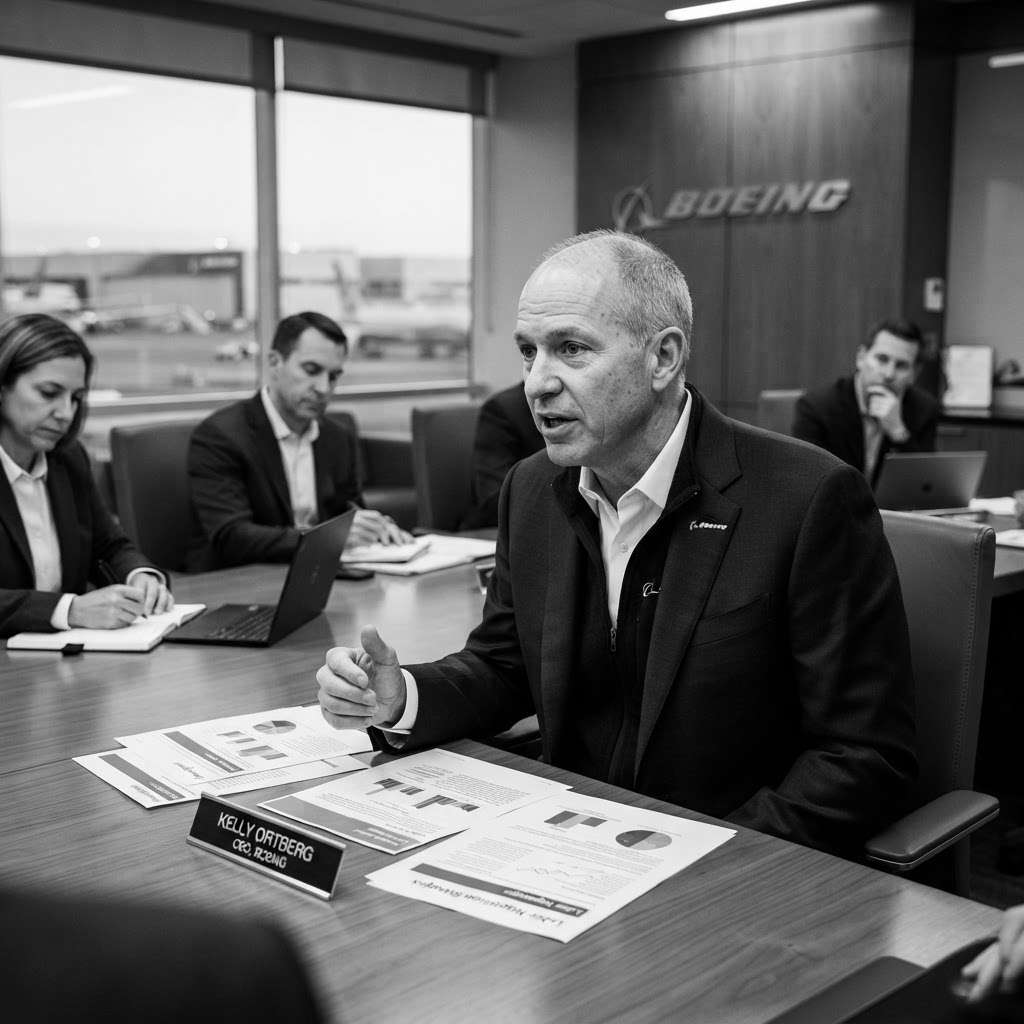
Boeing and the Society of Professional Engineering Employees in Aerospace (SPEEA) have successfully ratified a new four-year labor contract for approximately 17,000 engineers and technical workers. The agreement, which was approved by 67.62% of the professional unit and 53.48% of the technical unit, includes a 10% initial wage increase and annual raises of 4%. This ratification effectively avoids a potential strike that had been authorized by union members following the rejection of an earlier proposal. The contract covers employees essential to aircraft design, testing, and certification programs in the Puget Sound region.
As a major U.S. aerospace manufacturer and defense contractor, Boeing's labor stability is critical to the nation's aviation industry, supply chain, and defense readiness. Avoiding a strike ensures the continued certification and production of key commercial and military aircraft.
The primary actors involved are Boeing and the Society of Professional Engineering Employees in Aerospace (SPEEA). SPEEA represents approximately 17,000 engineers and technical workers, divided into two bargaining units: the Professional Unit (engineers) and the Technical Unit (analytical support staff). Key leadership figures include Boeing's executive management and the union's bargaining committee.
Boeing and SPEEA have ratified a new four-year labor contract. The agreement provides a 10% wage increase upon ratification, followed by annual raises of 4% and potential merit-based increases of up to 6%. This contract replaces the previous agreement that was set to expire on October 6, 2026, and successfully averts a strike that had been authorized by an overwhelming majority of union members in August.
The negotiations and the workforce involved are primarily located in the Puget Sound region of Washington state, which serves as a hub for Boeing's commercial and defense operations. The impact of this agreement extends to Boeing's global supply chain and certification programs.
Negotiations intensified throughout the summer of 2026. After an initial contract offer was rejected by union members on August 21, 2026, both parties returned to the bargaining table. A tentative agreement was reached in September, and the final ratification vote concluded on October 1, 2026.
The primary driver for the labor dispute was a deep-seated mistrust between the workforce and Boeing management, stemming from years of perceived mismanagement and a shift in focus toward shareholder returns over engineering excellence. The union sought significant improvements in pay and benefits to reflect the critical role of engineers in aircraft certification and production. Boeing, meanwhile, aimed to avoid a third major strike in as many years, which would have severely impacted its financial recovery and production ramp-up for the 737 MAX and 777X programs.
The process involved formal collective bargaining sessions, followed by a ratification vote by union members. The union utilized the threat of a strike—authorized by 88% of the professional unit and 90% of the technical unit—as leverage to secure better terms. Boeing responded by implementing strike contingency plans and eventually presenting a sweetened offer that met enough of the union's demands to secure approval. The agreement is governed by the terms of the new four-year contract, which dictates wage structures and working conditions.
Sources
Topics
- Universe One
- Labor & Employment
- boeing
- engineers
- technical
- workers
- ratify
- four-year
- labor
- contract