State & Local Government
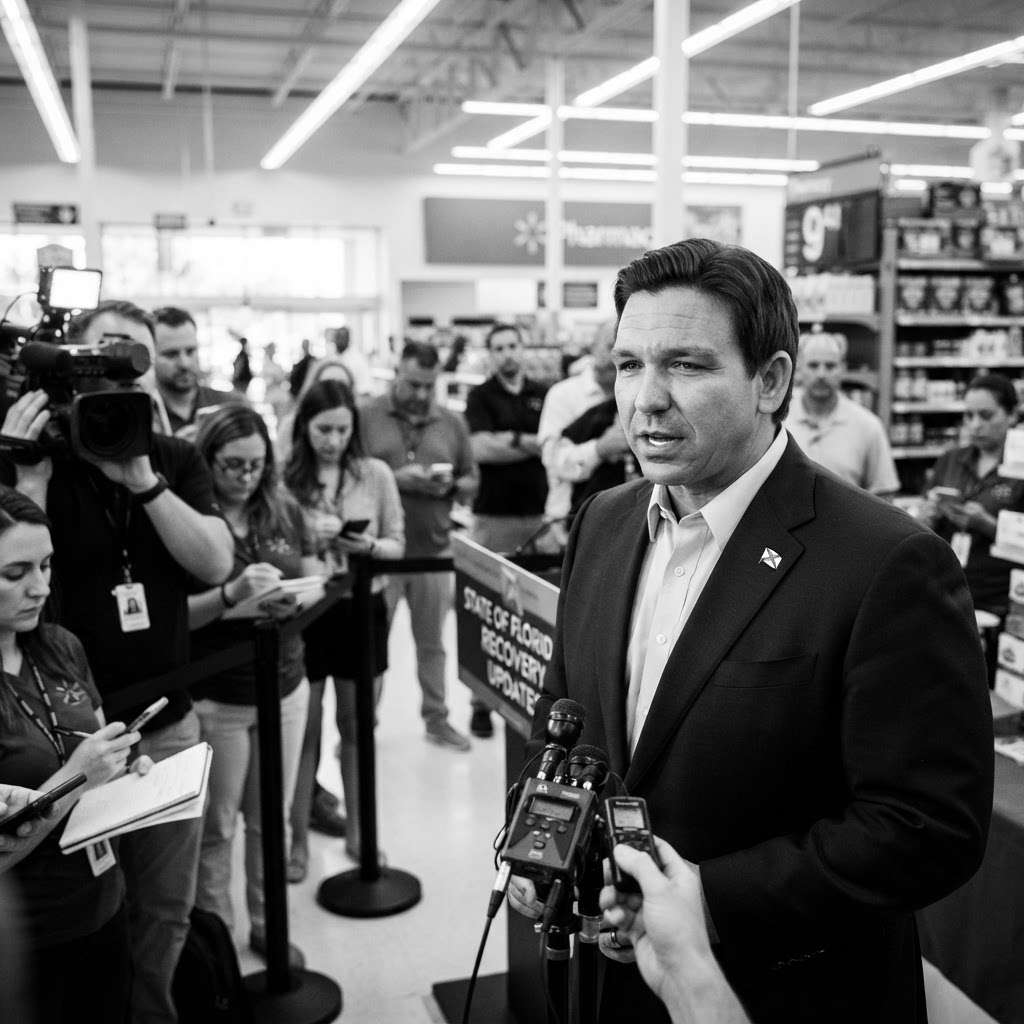
Florida Governor DeSantis Coordinates Ongoing Recovery Efforts Following Hurricane Isaias
Governor Ron DeSantis continues to oversee state-led recovery operations in Florida following the landfall of Hurricane Isaias on October 9, 2026. The state has activated emergency bridge loan programs for small businesses and deployed multiple agencies to restore infrastructure and essential services in affected counties. Federal disaster aid was recently approved to assist households with emergency costs, marking a rapid response from the administration. State officials remain focused on debris management, power restoration, and the long-term stabilization of impacted communities.
The recovery efforts in Florida involve significant federal-state coordination and the allocation of federal disaster funds, directly impacting the economic stability and safety of U.S. citizens in the affected region.
The primary actors involved in the response to Hurricane Isaias include Florida Governor Ron DeSantis, the Florida Division of Emergency Management (FDEM) led by Executive Director Jared Perdue, and various state agencies including the Florida National Guard, the Florida Department of Law Enforcement (FDLE), and the Florida Department of Transportation (FDOT). At the federal level, the Trump administration and FEMA are responsible for the approval and distribution of disaster aid. Local business owners, residents, and utility providers are the primary stakeholders affected by the storm's impact and the subsequent recovery efforts.
Following the landfall of Hurricane Isaias as a Category 2 storm on October 9, 2026, the state of Florida initiated a comprehensive recovery operation. Governor DeSantis issued Executive Order 26-202, which declared a state of emergency for 27 counties, facilitating the mobilization of state resources. Key recovery actions include the activation of the Florida Small Business Emergency Bridge Loan Program, which provides $10 million in assistance, the deployment of 5,000 National Guard personnel, and the expedited repair of critical infrastructure such as bridges and power grids. The federal government has also approved disaster aid to assist households with emergency costs.
The impact of Hurricane Isaias was concentrated in the Florida Panhandle, with landfall occurring near Destin. The state of emergency covers 27 counties, including areas such as Santa Rosa, Okaloosa, and Leon. Recovery efforts are being coordinated from the State Emergency Operations Center in Tallahassee, with field operations occurring in impacted communities like Jay, Milton, and Santa Rosa Beach.
Hurricane Isaias made landfall on October 9, 2026. The state of emergency was declared on October 6, 2026, in anticipation of the storm's arrival. Recovery efforts have been ongoing since the storm passed, with updates provided by the Governor's office throughout mid-October. Federal disaster aid was approved on October 29, 2026.
The state's response is driven by the need to restore essential services, ensure public safety, and mitigate the economic impact of the storm on local businesses and residents. The Governor's office emphasizes the importance of rapid resource staging and inter-agency coordination to minimize the duration of power outages and infrastructure disruptions. The federal government's decision to fast-track aid is framed as a necessary measure to support residents in the immediate aftermath of the disaster.
The recovery process utilizes the Florida Emergency Management Act, which grants the Governor broad authority to invoke emergency powers, including the suspension of certain regulations to expedite debris removal and infrastructure repairs. The Florida Small Business Emergency Bridge Loan Program operates through the Florida Department of Commerce, providing short-term, interest-free loans to bridge the gap between the storm's impact and the receipt of long-term federal or insurance assistance. Coordination is managed through the State Emergency Response Team (SERT), which integrates state agencies, local governments, and private sector partners to execute missions ranging from search and rescue to utility restoration.
The response to Hurricane Isaias highlights the critical nature of state-federal cooperation in disaster management. The speed of aid delivery and the effectiveness of state recovery programs directly influence the economic and social stability of the affected region.
Ongoing recovery efforts will focus on long-term infrastructure stabilization and the processing of federal and state aid applications. The state will likely conduct an after-action review to assess the effectiveness of the emergency response and identify areas for improvement in future hurricane seasons.
Key Unknowns
The total long-term economic cost of the storm remains to be fully assessed, as does the full extent of the damage to private property and local infrastructure. The long-term impact of the aid distribution on the upcoming elections remains a subject of political analysis.
Watch for updates on the progress of power restoration, the utilization rates of the emergency bridge loan program, and any further federal announcements regarding additional disaster relief funding.
Sources
- Trump fast-tracks Florida disaster aid days before tight elections — Politico
- Governor Ron DeSantis Issues Updates on State Response and Recovery Efforts for Hurricane Isaias — Executive Office of the Governor
Topics
- Universe One
- State & Local Government
- florida
- governor
- desantis
- coordinates
- ongoing
- recovery
- efforts
- following
- hurricane
- isaias