Cabinet & Federal Appointments
White House Continues Submission of Executive Nominations to U.S. Senate
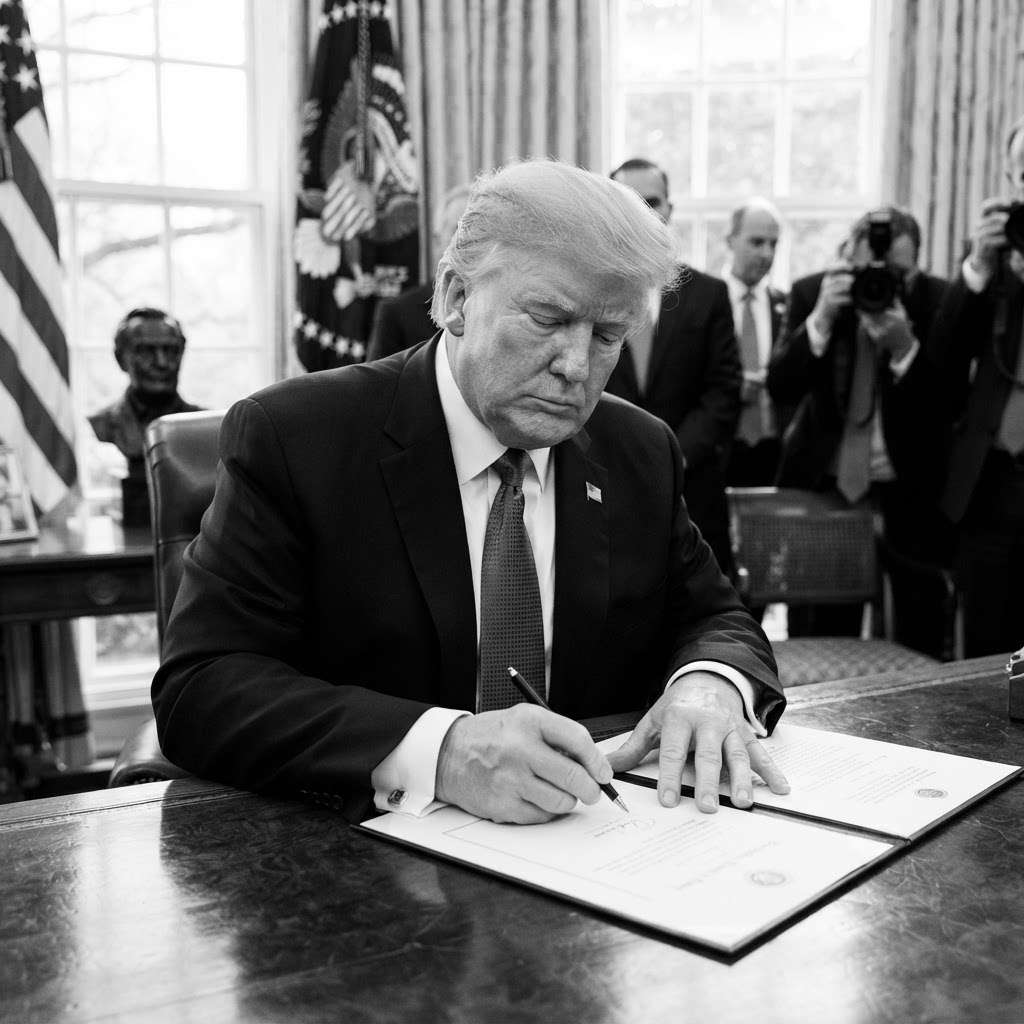
The White House has maintained a steady pace of transmitting executive and judicial nominations to the U.S. Senate throughout the latter half of 2026. These submissions include a variety of sub-cabinet positions, federal judgeships, and specialized envoy roles requiring legislative confirmation. The Senate remains the constitutional body responsible for providing advice and consent on these appointments through its committee review process. This ongoing activity reflects the administration's effort to fill vacancies across federal agencies and the judiciary as the term progresses.
The timely confirmation of federal appointees is critical to the effective operation of the executive branch and the judiciary, directly impacting the implementation of national policy and the administration of justice across the United States.
The primary actors involved in the federal appointment process are the President of the United States, who holds the constitutional authority to nominate individuals, and the United States Senate, which is tasked with providing 'Advice and Consent' under Article II, Section 2, Clause 2 of the Constitution. Key institutions include the various Senate committees—such as the Committee on the Judiciary, the Committee on Foreign Relations, and the Committee on Health, Education, Labor, and Pensions—which conduct the initial vetting and hearings for nominees. Additionally, the White House Office of Presidential Personnel plays a central role in identifying and vetting candidates before their formal submission to the Senate.
The process involves the formal submission of nominations for executive branch positions, including Cabinet secretaries, sub-cabinet officials, ambassadors, and federal judges. Once a nomination is received, it is referred to the relevant Senate committee for review. This review typically includes background checks, public hearings, and a committee vote. If reported favorably, the nomination proceeds to the full Senate for a confirmation vote. In recent years, the process has been characterized by increased partisan scrutiny and the use of procedural tools to either expedite or delay confirmations.
The process is centered in Washington, D.C., specifically within the West Wing of the White House and the chambers and committee rooms of the U.S. Capitol. The jurisdiction for these appointments is national, as they affect the administration of federal law and policy across all fifty states and U.S. territories.
The timeline for confirmations varies significantly depending on the position and the political climate. While some nominations are confirmed within weeks, others may languish for months or be withdrawn if they fail to gain sufficient support. The current legislative session, as of November 2026, represents a critical period for the administration to finalize its staffing goals before the end of the year.
The stated motivation for the appointment process is to ensure that the executive branch is staffed with individuals who share the President's policy vision and possess the necessary qualifications to lead federal agencies. From the Senate's perspective, the confirmation process serves as a vital check on executive power, ensuring that nominees are vetted for competence, ethics, and adherence to the law. The tension between these two objectives often leads to the political friction observed in the confirmation process.
The mechanism for confirmation is governed by the U.S. Constitution and the standing rules of the Senate. The process begins with the formal transmission of a nomination from the White House to the Senate. Once received, the nomination is numbered and referred to the appropriate committee. Committees may hold hearings to question the nominee, after which they vote on whether to report the nomination to the full Senate. A simple majority vote is generally required for confirmation, though procedural hurdles such as the cloture process can be used to manage debate. Recess appointments and the use of acting officials serve as alternative, albeit temporary, methods for staffing positions when the Senate is not in session or is unable to reach a consensus.
The staffing of the federal government is fundamental to the execution of national policy. Vacancies in key positions can lead to administrative bottlenecks, reduced oversight, and a diminished capacity to respond to domestic and international challenges. The efficiency of the confirmation process is therefore a direct indicator of the government's ability to function effectively.
The Senate will continue to process pending nominations through the remainder of the legislative session. The administration will likely prioritize the confirmation of high-impact roles, while the Senate will continue its vetting process for judicial and sub-cabinet nominees. The outcome of these efforts will determine the composition of the federal government as it enters the next phase of the administration's term.
Key Unknowns
It remains unclear how many of the currently pending nominations will reach a floor vote before the end of the year. Additionally, the potential for further turnover within the White House staff and the administration could lead to new vacancies, further complicating the confirmation landscape.
Observers should monitor the activity of key Senate committees for upcoming hearing schedules and committee votes. Furthermore, any announcements regarding the withdrawal of nominations or the appointment of acting officials will provide insight into the administration's strategy for managing staffing challenges.
Sources
- Trump’s White House inner circle is shrinking — Semafor
- Donald Trump's Cabinet, 2025-2026 — Ballotpedia
Topics
- Universe One
- Cabinet & Federal Appointments
- white
- house
- continues
- submission
- executive
- nominations
- senate