EPA Proposes Sweeping Revisions to Federal Methane Regulations for Oil and Gas Sector
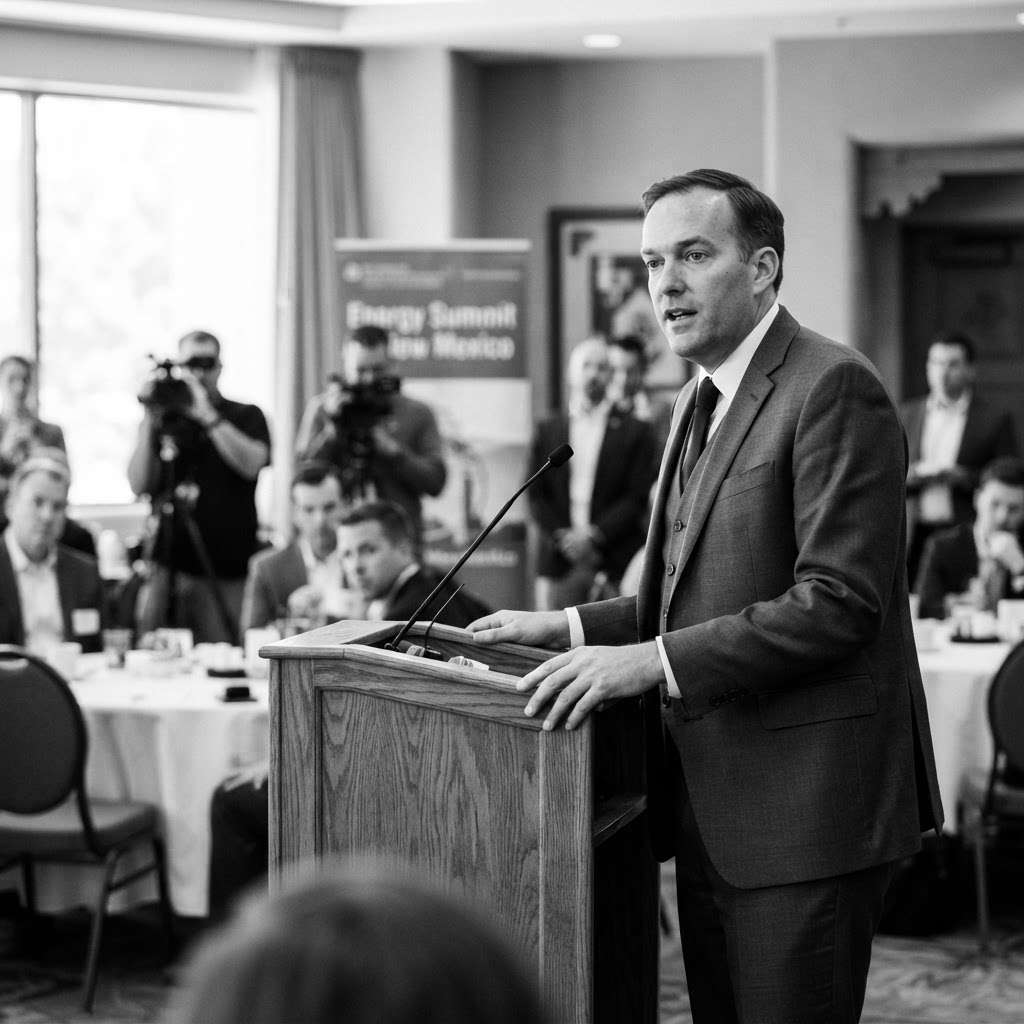
The Environmental Protection Agency has initiated a formal proposal to revise methane emission standards for the oil and natural gas industry, aiming to reduce compliance costs by an estimated $45 billion. The proposed changes include the elimination of the 'Super Emitter Program' and the introduction of more flexible regulatory categories for marginal well sites. These revisions seek to address industry concerns regarding the feasibility of 2024-era standards while maintaining oversight of emissions. The agency is currently preparing for a public comment period before any final rule can be implemented.
This regulatory shift directly impacts the U.S. energy sector's operational costs and national methane emission levels, influencing both domestic energy production and federal environmental policy commitments.
The primary actors involved are the Environmental Protection Agency (EPA), led by Administrator Lee Zeldin, and the oil and natural gas industry, represented by trade associations such as the New Mexico Oil and Gas Association. Environmental advocacy groups, including the Environmental Defense Fund (EDF), are actively opposing the proposed changes, while various state governments are monitoring the situation for its impact on local regulatory frameworks.
The EPA is proposing a second round of revisions to the 2024 methane rules (formally known as OOOOb and OOOOc). The proposal aims to eliminate the Super Emitter Program, which utilizes third-party satellite and remote-sensing data to identify large methane leaks. Additionally, the agency plans to create separate regulatory categories for marginal wells and replace the current ban on routine flaring of 'associated gas' with standards based on 'efficient' flaring. The agency projects these changes will save the industry approximately $45 billion.
The regulations apply to oil and natural gas operations across the United States. The impact is particularly significant in major producing states such as New Mexico and Colorado, where the balance between energy production and environmental protection is a central policy issue.
Administrator Zeldin previewed the proposal on October 7, 2026. The EPA has been working on these revisions throughout 2026, following an interim final rule issued in July 2025 that extended compliance deadlines. The proposal is expected to be formally published in the Federal Register shortly, triggering a public comment period.
The EPA states that the 2024 regulations were 'burdensome' and 'unworkable,' particularly for smaller operators and marginal wells. The agency argues that the current rules would force many existing sources to close, negatively impacting domestic energy supply. Conversely, critics argue that the rollback prioritizes industry profits over public health and environmental protection, noting that marginal wells account for a significant portion of total methane emissions.
The EPA is utilizing its authority under the Clean Air Act to propose these revisions. The process involves drafting new standards, which must then undergo a public comment period and potential White House review. Once finalized, the rules will likely face legal challenges in federal court, as has been the pattern with previous major environmental regulations. The agency is also considering alternative, more 'targeted' changes to flaring curbs to address specific industry complaints.
This development represents a significant shift in U.S. environmental policy, signaling a move toward deregulation in the energy sector. It highlights the ongoing tension between the need for domestic energy security and the commitment to reducing greenhouse gas emissions.
The EPA will formally publish the proposal, initiating a public comment period. Following this, the agency will review the comments and issue a final rule. Legal challenges are highly probable, which could delay or alter the implementation of these changes.
Key Unknowns
The exact timeline for the formal publication and the finalization of the rule remains uncertain. Additionally, the extent to which the courts will uphold these revisions against potential legal challenges is a major variable.
Monitor the Federal Register for the formal proposal, the duration and intensity of the public comment period, and any subsequent filings in federal court by environmental groups or industry stakeholders.
Sources
- Daily on Energy: EPA days away from proposing methane rule rewrite for oil and gas — Washington Examiner
- EPA proposes sweeping rollback of oil and gas methane rules, projecting $45 billion in industry savings — Energies Media
- EPA Proposes Major New Revisions to Burdensome, Unworkable Biden-era Oil and Natural Gas Regulations — US EPA
Topics
- Universe One
- Environment & Climate Policy
- proposes
- sweeping
- revisions
- federal
- methane
- regulations
- sector