Redistricting & Election Law
Federal Appeals Court Rejects DOJ Emergency Bid to Block California Ballot Counting
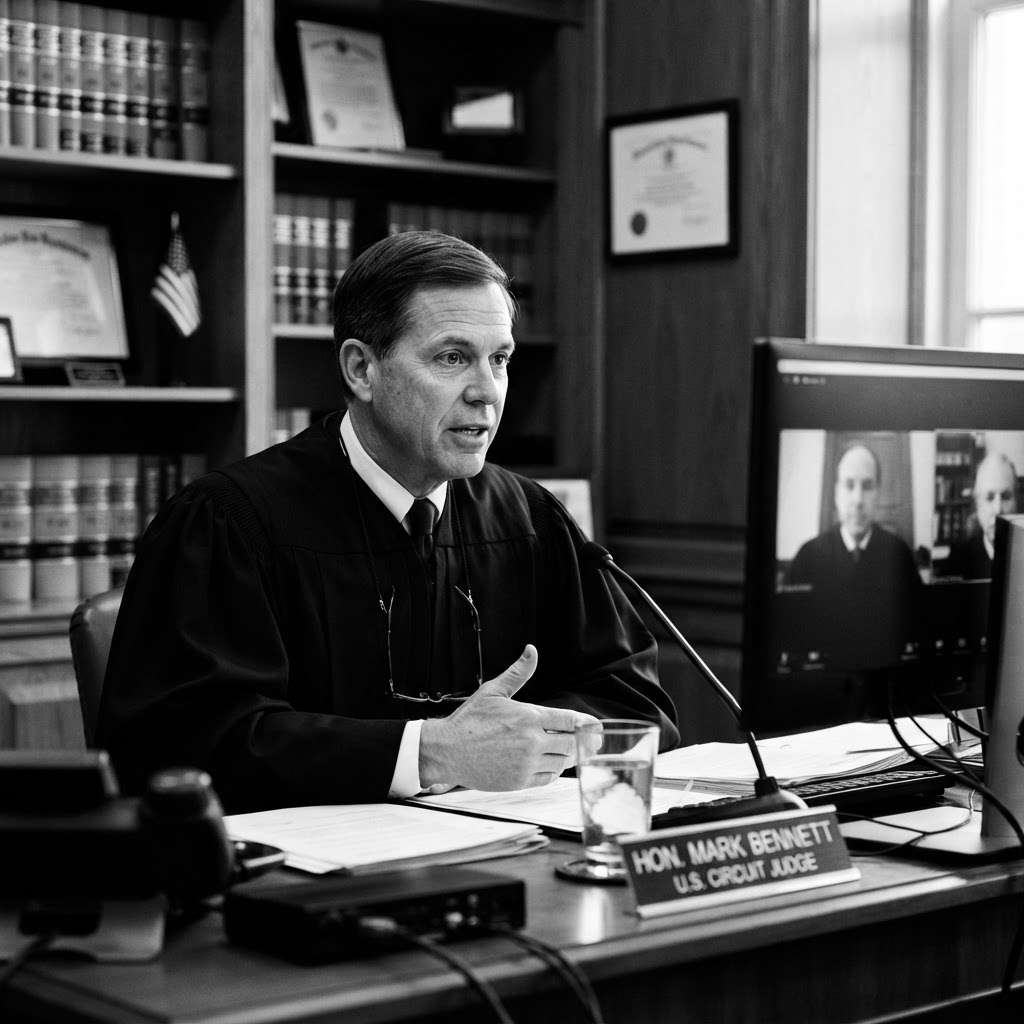
The U.S. Court of Appeals for the 9th Circuit has dismissed an emergency request from the Department of Justice to force California to sequester and stop counting approximately 20,000 ballots from voters identified as potential non-citizens. The court ruled that the administration's claimed emergency was self-constructed due to its own delays in filing and failure to allow the district court sufficient time to rule. The case has been remanded to the district court, where a hearing is scheduled to address the merits of the underlying legal dispute. This decision maintains the current status of ballot processing in California as the November 3 midterm elections approach.
This case directly impacts the integrity and administration of federal elections in the nation's most populous state, setting a significant precedent for the limits of federal intervention in state-run election processes.
The primary actors in this litigation are the United States Department of Justice (DOJ), representing the federal government's interest in enforcing federal election statutes, and the State of California, represented by its election officials. The case is being heard in the U.S. District Court for the Central District of California under Judge David O. Carter, following a ruling by a three-judge panel of the U.S. Court of Appeals for the 9th Circuit, which included Judges Mark Bennett and Gabriel Sanchez.
The DOJ filed an emergency request for a Temporary Restraining Order (TRO) to force California to sequester and stop tabulating approximately 20,000 ballots from individuals the DOJ claims are 'likely non-citizens.' The DOJ argues that California's failure to act on this list violates federal law, specifically 18 U.S.C. § 611, which prohibits non-citizens from voting in federal elections. California officials contend that the state's existing procedures are sufficient and that the DOJ's request is an unprecedented and unworkable interference in state election administration.
The dispute is centered in California, specifically concerning the processing of mail-in ballots in various counties, including Los Angeles. The legal proceedings are taking place within the federal court system, specifically the 9th Circuit and the Central District of California.
The DOJ filed its request for an expedited ruling on October 21, 2026, demanding a decision by noon on October 22. When the district court did not rule within that 15-hour window, the DOJ appealed to the 9th Circuit. The 9th Circuit issued its ruling on October 26, 2026, rejecting the DOJ's appeal. A hearing on the merits of the TRO is scheduled for October 27, 2026, in the district court, with the California election certification deadline set for December 3, 2026.
The DOJ asserts that it has a duty to enforce federal law and prevent ineligible voters from participating in federal elections. It argues that the presence of 20,000 potential non-citizens on the voter rolls constitutes an imminent threat to election integrity. Conversely, California officials and the 9th Circuit panel argue that the DOJ's emergency is 'self-constructed' due to the government's own delay in filing the suit. They further argue that the DOJ's interpretation of § 611 is overly broad and that the Elections Clause of the U.S. Constitution grants states primary authority over election administration.
The DOJ attempted to use an emergency appeal to bypass the district court's timeline, citing the Purcell principle—a Supreme Court doctrine that generally discourages federal courts from changing election rules close to an election to avoid voter confusion. The 9th Circuit panel, however, used the same principle to justify its refusal to intervene, noting that the DOJ's requested changes would cause the very confusion the principle is intended to prevent. The case now proceeds to a hearing where the district court will evaluate the evidence and the legal arguments regarding the DOJ's authority to mandate ballot sequestration.
Sources
Topics
- Universe One
- Redistricting & Election Law
- federal
- appeals
- court
- rejects
- emergency
- block
- california
- ballot
- counting