Oceanography
Could collaborative taxonomy workshops make rapid deep-sea biodiversity cataloging a global standard by 2030
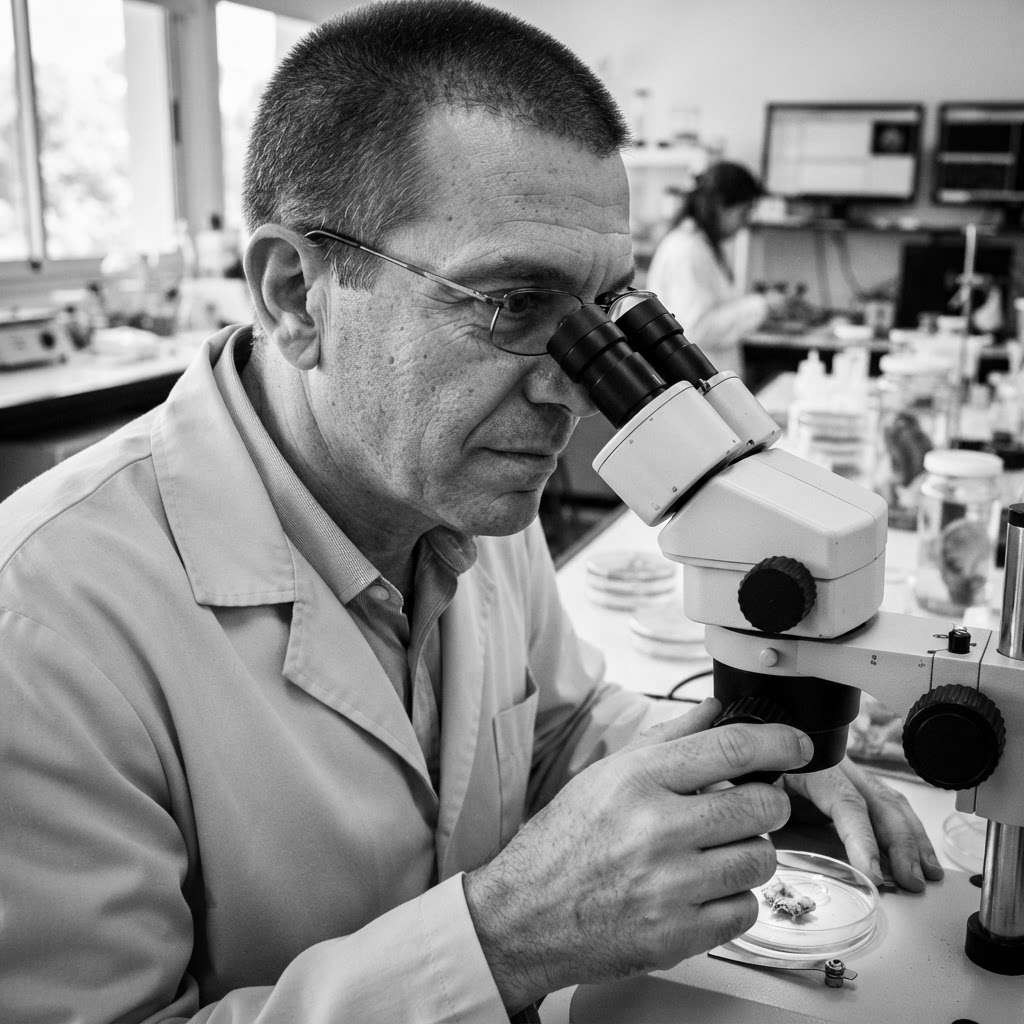
An international team of biologists recently identified 57 new marine species and five new genera collected from Argentina's Mar del Plata Canyon. The findings resulted from a focused Species Discovery Workshop held in July 2026, which utilized specimens from recent Schmidt Ocean Institute expeditions and historical samples. This collaborative approach significantly accelerated the traditional taxonomic process by bringing together 20 experts to analyze deep-sea life in a concentrated two-week period.
The Shift Toward Collaborative Taxonomy
The recent identification of 57 new marine species and five new genera from Argentina's Mar del Plata Canyon represents a significant departure from traditional, often isolated, taxonomic research (Discover Wildlife, 2026). By organizing a focused Species Discovery Workshop in July 2026, the Ocean Census Network and the Schmidt Ocean Institute successfully compressed what would typically be years of individual research into a two-week collaborative effort (Discover Wildlife, 2026). This model prioritizes the rapid processing of specimens collected during deep-sea expeditions, ensuring that biodiversity data is generated and shared with the global scientific community in a timely manner (ScienceAlert, 2026).
Integrating Historical and Modern Data
A critical component of this success was the integration of modern samples with historical data from the National Scientific and Technical Research Council’s (CONICET) Talud Continental I-III expeditions conducted in 2012 and 2013 (Discover Wildlife, 2026). By re-examining these older samples alongside new collections, the team of 20 taxonomists and early-career researchers was able to provide a more comprehensive view of the region's biodiversity (Discover Wildlife, 2026). This approach not only maximizes the value of past research investments but also provides a more robust baseline for understanding the ecological dynamics of the South Atlantic (Discover Wildlife, 2026).
Evidence and Methodological Limitations
The evidence for these discoveries is based on the physical examination of specimens and the application of modern taxonomic classification techniques (Discover Wildlife, 2026). While the workshop model is highly efficient, it relies heavily on the availability of expert taxonomists, a group that is currently facing a global shortage. Furthermore, the reliance on remotely operated vehicles (ROVs) like the SuBastian means that the quality of data is dependent on the precision of deep-sea imaging and sampling capabilities (ScienceAlert, 2026). While the discovery of 57 species is a major milestone, the reproducibility of this rapid-workshop model in other, less-studied regions remains to be tested, particularly where historical data is sparse or non-existent.
Scaling the Discovery Pipeline
The practical path from this result to real-world use involves scaling the workshop model to other regions and integrating it with emerging technologies like environmental DNA (eDNA) (ScienceDaily, 2026). eDNA protocols, which allow for the identification of species from tiny fragments of genetic material in water samples, offer a scalable, non-invasive way to build baseline knowledge of deep-sea environments (ScienceDaily, 2026). By combining the precision of physical specimen identification with the breadth of eDNA monitoring, future expeditions can dramatically expand our understanding of deep-water ecosystems (ScienceDaily, 2026). This integrated approach is essential for informed marine park planning, environmental monitoring, and conservation efforts, particularly as the pressure to explore and potentially exploit deep-sea resources increases (ScienceDaily, 2026).
What It Will Take to Advance This
Comprehensive genetic sequencing of the 57 newly identified species is required to confirm their phylogenetic placement and evolutionary history. This data must be integrated into global biodiversity databases to ensure accessibility for the wider scientific community. The development of automated, AI-driven image recognition tools is necessary to assist taxonomists in the initial sorting and identification of deep-sea specimens. This would significantly reduce the manual labor currently required for taxonomic classification. A dedicated, multi-year funding mechanism is needed to support the recurring costs of international Species Discovery Workshops. This includes funding for travel, laboratory equipment, and the long-term maintenance of specimen collections. International agreements must be established to standardize the protocols for sharing and reporting deep-sea biodiversity data. This will ensure that findings from collaborative workshops are recognized and utilized by global regulatory bodies. The expansion of the global fleet of research vessels equipped with advanced ROV and eDNA sampling capabilities is essential to increase the frequency and scale of deep-sea exploration missions.
Future Possibilities
Rapid identification of deep-sea species accelerates the discovery of novel bioactive compounds for pharmaceutical development. By cataloging new cnidarians and echinoderms, researchers can quickly screen for unique chemical properties that may lead to new antibiotics or anti-cancer drugs. This process replaces the slow, trial-and-error methods of the past with a high-throughput, data-driven pipeline. Success depends on the continued funding of collaborative taxonomic workshops and the integration of these findings into drug discovery databases.
- •Mid term (2-5 years)
- •Moderate confidence
Reference: Deep-sea ecosystems are known to harbor unique biological communities with potential for medical applications (ScienceDaily, 2026).
Enhanced mapping and characterization of deep-sea environments improve the U.S. military's situational awareness in contested maritime regions. Understanding the biological and geological baseline of the seafloor is critical for underwater surveillance and infrastructure protection. As these collaborative models scale, the U.S. can better monitor its vast ocean territory and detect unauthorized activities. This requires sustained investment in autonomous exploration technologies and data-sharing partnerships.
- •Mid term (2-5 years)
- •Moderate confidence
Reference: NOAA Ocean Exploration works to explore unknown areas of the ocean, supporting innovations in exploration and mapping (NOAA, 2026).
The standardization of rapid taxonomic identification reduces the costs and time associated with environmental impact assessments for offshore industries. By providing a clear, scientifically backed baseline of biodiversity, companies can navigate regulatory requirements more efficiently. This creates a more predictable environment for investment in offshore energy and deep-sea infrastructure. The path to this outcome requires the adoption of these workshop models by international regulatory bodies.
- •Mid term (2-5 years)
- •High confidence
Reference: Collaborative taxonomy demonstrates the power of concentrated effort to fast-track identification (Discover Wildlife, 2026).
Global biodiversity documentation efforts are significantly accelerated, providing the data necessary to protect vulnerable deep-sea habitats from climate change and industrial disruption. By identifying species before they are potentially lost, scientists can advocate for more effective marine protected areas. This long-term effort relies on the global adoption of the Ocean Census model and the continued support of international research partnerships. The ultimate success depends on the ability to translate this data into actionable conservation policy.
- •Long term (5+ years)
- •Low confidence
Reference: Ocean Census aims to document deep-sea marine life across the world before it is potentially disrupted (ScienceAlert, 2026).
Public engagement with ocean science increases as high-profile discoveries like the 'Patrick Star' lookalike capture the imagination of the general population. This heightened interest can lead to greater support for ocean conservation and scientific research, influencing public policy and individual behavior. As these discoveries become more frequent, the ocean's role in the global climate and its hidden biodiversity become more integrated into the public consciousness. This shift requires consistent, accessible communication of scientific findings.
- •Long term (5+ years)
- •Moderate confidence
Reference: The deep-sea expedition captured the public's imagination when it was first live-streamed (ScienceAlert, 2026).
National science agencies like the NSF should establish dedicated grant lines for 'Rapid Taxonomy Workshops' to mirror the success of the Ocean Census model. By providing $5-10 million in annual funding, the government can incentivize the formation of international expert cohorts to process backlogged deep-sea samples. This funding would cover travel, laboratory access, and high-throughput sequencing costs, effectively reducing the time-to-publication for new species from years to months.
- •The workshop model successfully identified 57 species in two weeks (Discover Wildlife, 2026).
- •Collaborative taxonomy is proven to be more efficient than isolated research (Schmidt Ocean Institute, 2026).
Reference: Discover Wildlife, 'Deep-sea scientists discover 57 new species in a canyon nearly twice as deep as the Grand Canyon', Magda Patynska, 2026
Bioprospecting initiatives should integrate these rapid identification workflows to accelerate the discovery of novel marine-derived compounds. By linking taxonomic workshops with pharmaceutical screening facilities, researchers can identify unique chemical properties in newly discovered cnidarians and echinoderms within weeks of collection. This pipeline would prioritize species with high potential for medical applications, such as anti-inflammatory or anti-cancer agents, directly benefiting the biotechnology sector.
- •Deep-sea ecosystems harbor unique biological communities (ScienceDaily, 2026).
- •Rapid identification allows for faster baseline knowledge of biodiversity (ScienceDaily, 2026).
Reference: ScienceDaily, 'Giant squid discovery uncovers a hidden deep-sea world off Australia', 2026
The development of standardized, portable 'field-to-lab' processing kits will enable researchers to perform initial taxonomic assessments on research vessels. By deploying modular, automated imaging and DNA-sequencing stations, expeditions can generate preliminary species data in real-time. This infrastructure would allow for larger-scale exploration missions, increasing the throughput of species discovery by an order of magnitude compared to current manual methods.
- •eDNA protocols allow for non-invasive biodiversity monitoring (ScienceDaily, 2026).
- •Collaborative workshops demonstrate the power of concentrated taxonomic effort (Discover Wildlife, 2026).
Reference: Discover Wildlife, 'Deep-sea scientists discover 57 new species in a canyon nearly twice as deep as the Grand Canyon', Magda Patynska, 2026
International regulatory bodies should adopt the Ocean Census workshop model as a standard for environmental impact assessments in deep-sea mining zones. By mandating that exploration permits include a requirement for rapid, collaborative taxonomic reporting, regulators can ensure that biodiversity data is available before industrial activity begins. This standard would provide a transparent, verifiable baseline for protecting deep-sea habitats, aligning with global conservation goals.
- •Ocean Census aims to document life before potential disruption (ScienceAlert, 2026).
- •Baseline knowledge is essential for informed marine park planning (ScienceDaily, 2026).
Reference: ScienceAlert, 'Viral Deep-Sea Expedition Found a Real-Life Patrick From SpongeBob, And 57 New Species', Jess Cockerill, 2026
Universities should implement specialized training programs in deep-sea taxonomy that emphasize collaborative, multi-disciplinary research. By partnering with institutions like the Schmidt Ocean Institute, these programs can provide students with hands-on experience in identifying rare deep-sea specimens. This training will build a robust global workforce capable of managing the massive influx of data expected from future deep-sea exploration initiatives.
- •The workshop provided hands-on training for early-career researchers (Discover Wildlife, 2026).
- •Investment in scientific capacity is a key outcome of these workshops (Discover Wildlife, 2026).
Reference: Discover Wildlife, 'Deep-sea scientists discover 57 new species in a canyon nearly twice as deep as the Grand Canyon', Magda Patynska, 2026
Sources
- Deep-sea scientists discover 57 new species in a canyon nearly twice as deep as the Grand Canyon — Discover Wildlife
- Viral Deep-Sea Expedition Found a Real-Life Patrick From SpongeBob, And 57 New Species — ScienceAlert
- Scientists identified 57 new deep-sea species from Argentina's Mar del Plata Canyon, including a translucent sea cucumber nicknamed Loki after remotely operated vehicles explored the depths — The Times of India
Topics
- Universe One
- Oceanography
- could
- collaborative
- taxonomy
- workshops
- make
- rapid
- deep-sea
- biodiversity
- cataloging
- global