Global Markets Experience Volatility Following U.S. Midterm Election Results
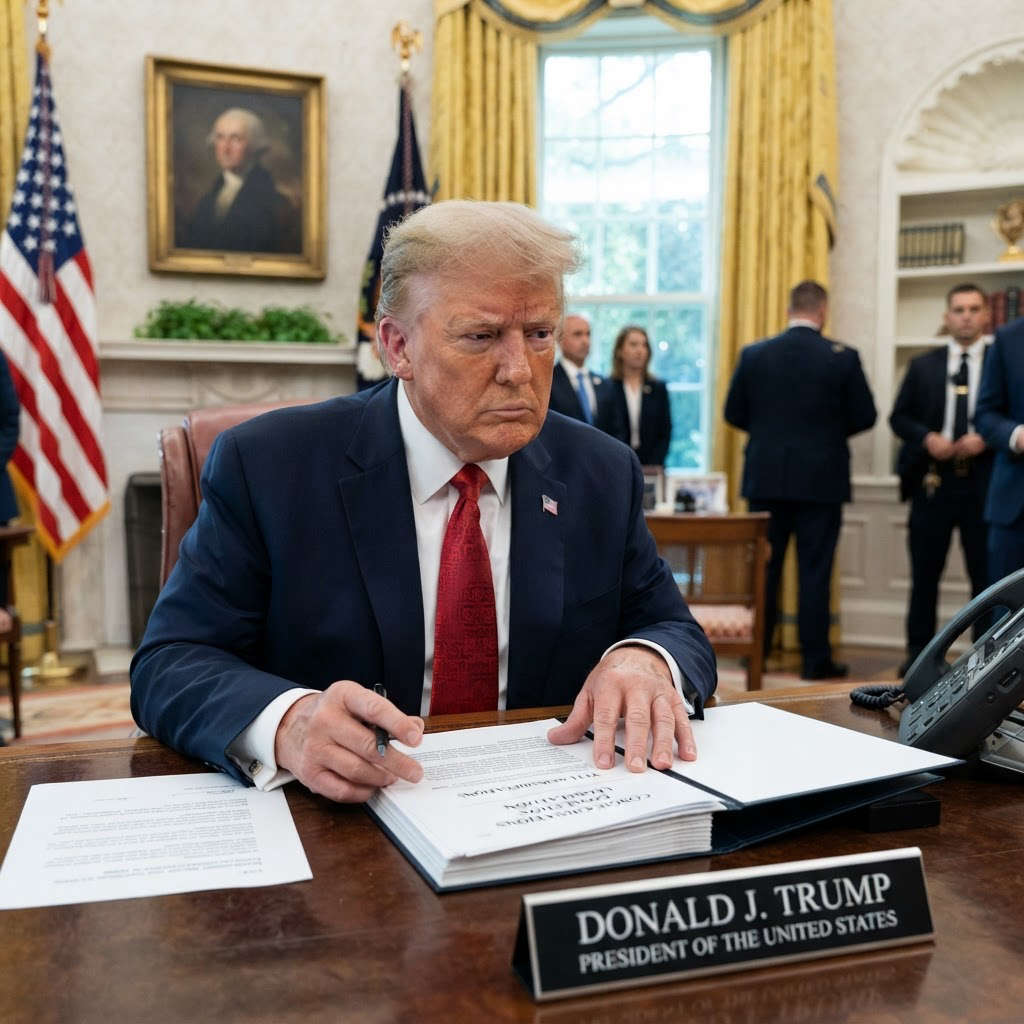
Global stock markets experienced increased volatility and declines following the U.S. midterm elections, where Democratic control of Congress led to investor concerns regarding potential increased regulation of the artificial intelligence industry. Major indices, including Japan's Nikkei 225, recorded significant losses as market participants reassessed tech-sector exposure. While some reports indicate a broader selloff, global equity funds have continued to see net inflows. Financial analysts and institutions have noted that these market movements reflect uncertainty regarding future policy and corporate earnings.
The primary actors involved include global institutional investors, major central banks (including the Federal Reserve and the European Central Bank), and national finance ministries such as the Republic of Korea's Ministry of Finance and Economy. Technology corporations, particularly those heavily invested in AI infrastructure, are the central focus of the market reassessment.
Global stock markets have experienced a significant downturn and increased volatility. This is largely attributed to a reassessment of the 'AI trade' following U.S. midterm election results that signaled a potential shift in political sentiment against the artificial intelligence industry. Investors are moving capital into defensive sectors, leading to a decline in tech-heavy indices.
The impact is global, with significant market declines reported in Tokyo (Nikkei 225), Shanghai, and Hong Kong. European and U.S. markets have also faced downward pressure, prompting emergency meetings in financial hubs like Seoul to discuss policy responses and monitor capital flows.
The volatility intensified following the U.S. midterm elections on November 3, 2026. By November 6, 2026, finance ministries and central banks were actively convening to review the situation and discuss potential policy interventions.
The primary driver is a shift in investor confidence regarding the sustainability of AI-related capital expenditure. Investors are questioning whether the costs of meeting AI demand are eroding cash flow faster than they build revenue. The U.S. midterm election results have acted as a catalyst, with market participants interpreting the political climate as potentially less favorable to the AI industry's rapid expansion.
Market mechanisms are responding through a rotation of capital from high-growth technology stocks into defensive sectors like utilities, consumer staples, and healthcare. Central banks and finance ministries are utilizing their monitoring authority to track real-time capital flows and are preparing potential policy responses to ensure financial stability. The process involves continuous assessment of economic indicators, such as manufacturing PMIs and inflation data, to gauge the broader health of the global economy.
Sources
- Global Markets Face Volatility as Investors Reassess AI Sector Exposure — Wall Street Journal
- Investors dive for bonds as tech slump pounds stocks — Reuters
Topics
- Universe One
- Global Economy & Markets
- global
- markets
- experience
- volatility
- following
- midterm
- election
- results