Bulgaria Elects Iliana Iotova as President Following Presidential Runoff
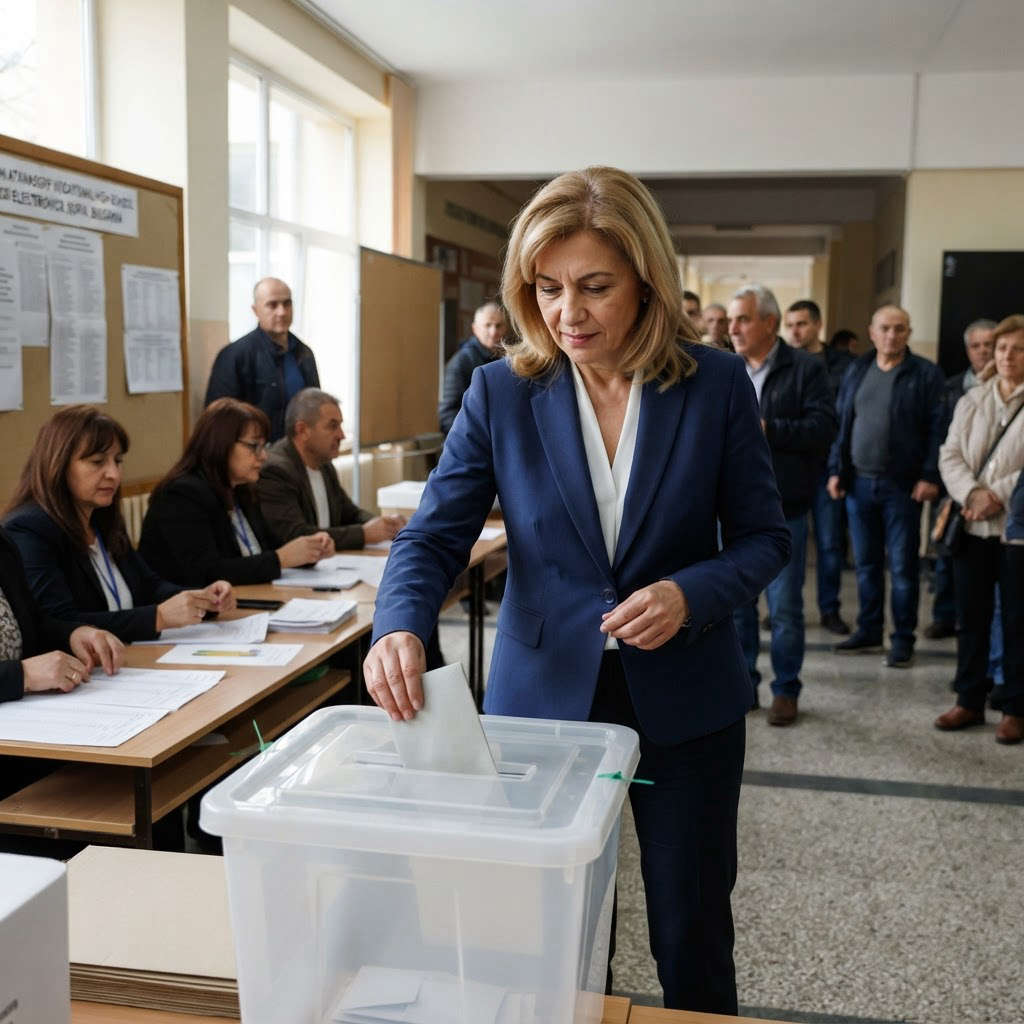
Bulgaria's Central Election Commission confirmed that incumbent President Iliana Iotova won the November 1 presidential runoff election. Iotova secured approximately 57.6% of the vote, defeating challenger Andrey Gyurov. She is the first woman to be directly elected to the presidency in Bulgaria. Official results were finalized following the processing of all polling station protocols.
The key actors in this election include the president-elect Iliana Iotova, who previously served as vice president and acting president, and her opponent Andrey Gyurov. The Central Election Commission (CEC) managed the administrative aspects of the election, while the Bulgarian government and various political parties influenced the campaign discourse. International observers and regional analysts have also been closely monitoring the process.
Bulgaria held a two-round presidential election to select a new head of state. The process concluded with a runoff on November 1, 2026, where Iotova secured a decisive victory. The election was marked by debates over the country's foreign policy, particularly regarding the war in Ukraine and relations with Russia, as well as concerns over domestic political stability and the integrity of the voting process.
The election took place across Bulgaria, with voting occurring in domestic polling stations and at diplomatic missions abroad. The geopolitical context of the election is heavily influenced by the Black Sea region, where recent security incidents have heightened tensions.
The first round of the election was held on October 25, 2026, followed by the runoff on November 1, 2026. The official certification of the results is scheduled for November 11, 2026.
The election was necessitated by the resignation of former President Rumen Radev, who stepped down to pursue a role in parliamentary politics. The campaign was driven by deep divisions regarding Bulgaria's alignment with the European Union and NATO versus potential renewed dialogue with Moscow. Voters were also motivated by a desire for stability following years of fragmented governments and political uncertainty.
The election was conducted through a two-round system, with machine voting utilized in polling stations with more than 300 voters. The CEC oversaw the process, including the distribution of machines and the tabulation of results. Legal challenges were filed by the opposition regarding the conduct of the election, which are currently being processed through the judicial system.
Sources
Topics
- Universe One
- World Elections & Leadership Changes
- bulgaria
- elects
- iliana
- iotova
- president
- following
- presidential
- runoff