Toxicology & Environmental Health
Could lithium-mediated electrochemical reduction make permanent PFAS mineralization a standard reality by 2030
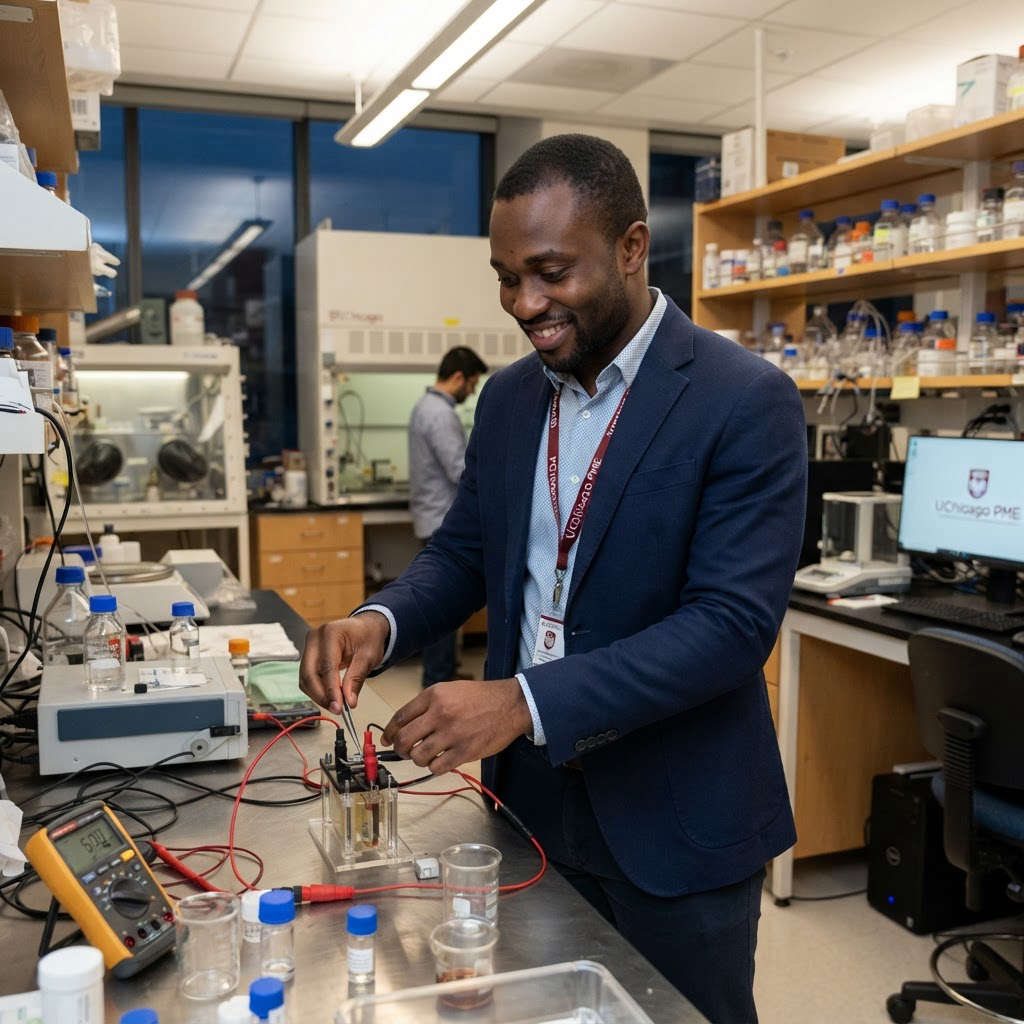
Researchers have demonstrated a new lithium metal-mediated electrochemical reduction method capable of efficiently degrading and defluorinating persistent per- and polyfluoroalkyl substances (PFAS). This process mineralizes PFAS into inorganic fluorides, which can subsequently be upcycled into non-PFAS fluorinated products. The technique addresses the long-standing challenge of breaking the exceptionally strong carbon-fluorine bonds that make these substances resistant to conventional treatment.
Mechanism of Lithium-Mediated Mineralization
The recent advancement in lithium-mediated electrochemical reduction represents a significant shift in the approach to PFAS degradation. Unlike traditional electrochemical oxidation, which relies on hydroxyl radicals or direct electron transfer at the anode, this method utilizes a reactive metal-based reaction to break the exceptionally stable carbon-fluorine bonds (Nature Chemistry, 2026). By employing lithium metal as a mediator, the process achieves high-efficiency defluorination, converting persistent PFAS into inorganic fluoride ions (Nature Chemistry, 2026). This mineralization is critical because it eliminates the risk of forming shorter-chain PFAS by-products, which are often more mobile and difficult to remove from water sources (Fraunhofer IKTS, 2026). The ability to upcycle the released fluoride into non-PFAS fluorinated products adds a circular economy dimension to the technology, potentially offsetting operational costs (Nature Chemistry, 2026).
Scaling and Practical Implementation
While the laboratory-scale results are promising, the transition to real-world application faces several technical and economic hurdles. Current electrochemical methods, including those using boron-doped diamond (BDD) electrodes, often suffer from high energy consumption and the need for expensive electrode materials (ACS, 2022; ACS ES&T Water, 2023). The lithium-mediated approach must demonstrate its stability and efficiency in complex water matrices, such as landfill leachate or industrial wastewater, where competing ions and organic matter can interfere with the reaction (ACS ES&T Water, 2023). Furthermore, the development of routinely applicable analytics for the ultra-trace levels required by legal limits (ng/L range) remains a significant challenge for the widespread adoption of any destructive technology (Fraunhofer IKTS, 2026). Future research must focus on optimizing the current density and electrode longevity to ensure that the process is both energy-efficient and scalable for municipal water treatment facilities (Chemical Science, 2026). The path forward involves rigorous pilot-scale testing to validate the mass balance of fluorine and ensure that no harmful by-products are generated during continuous operation (SERDP-ESTCP, 2025).
What It Will Take to Advance This
Comprehensive mass balance studies are required to confirm the complete mineralization of PFAS into fluoride ions and CO2 across various complex water matrices. Researchers must demonstrate that no toxic intermediate by-products are formed during the lithium-mediated reduction process in real-world conditions. The stability and longevity of the electrodes used in the electrochemical reduction process must be significantly improved to withstand continuous operation. Additionally, the energy efficiency of the system needs to be optimized to make it competitive with existing water treatment technologies. Increased public and private investment is necessary to transition from laboratory-scale experiments to pilot-scale demonstrations. Funding should specifically target the development of modular, scalable reactor designs that can be integrated into existing water treatment infrastructure. Regulatory bodies must establish clear performance standards and certification processes for electrochemical PFAS destruction technologies. This includes defining acceptable mineralization efficiencies and monitoring protocols for effluent water quality. The manufacturing supply chain for specialized electrodes and reactor components must be scaled to reduce costs and ensure availability. Infrastructure for the collection and pre-concentration of PFAS, such as foam fractionation, must be integrated with the destruction units to create efficient treatment trains.
Future Possibilities
The maturation of this technology could significantly reduce human exposure to PFAS, which are linked to various metabolic and endocrine disruptions. By enabling the effective removal of these substances from drinking water, we can mitigate the long-term health risks associated with chronic ingestion. This would require the integration of electrochemical reactors into existing water treatment plants, replacing or augmenting current filtration methods. Future research should focus on longitudinal studies to measure the reduction in PFAS body burden in populations served by treated water systems.
- •Near term (0-2 years)
- •Moderate confidence
Reference: Electrochemical methods have demonstrated the ability to reduce PFAS concentrations in tap water to below 0.06 µg L-1 (ScienceDirect, 2026).
PFAS contamination at military installations, particularly from aqueous film-forming foams (AFFF), poses a significant environmental and liability challenge. Deploying electrochemical destruction systems would allow the Department of Defense to remediate contaminated sites on-site, reducing the need for transporting hazardous waste. This would enhance operational readiness and ensure compliance with evolving environmental regulations. Future research should prioritize the development of mobile, containerized electrochemical units capable of treating high-concentration AFFF waste streams.
- •Mid term (2-5 years)
- •Moderate confidence
Reference: The SERDP-ESTCP program is actively funding the development of treatment trains for AFFF concentrate using electrochemical oxidation (SERDP-ESTCP, 2025).
The ability to mineralize PFAS on-site could drastically lower the costs associated with hazardous waste disposal and environmental remediation. By converting waste into harmless by-products, industries can avoid the long-term liabilities and regulatory fines associated with PFAS pollution. This technology could create a new market for water treatment services and specialized electrochemical components. Future research should focus on life-cycle assessments to quantify the economic benefits of on-site mineralization compared to traditional disposal methods.
- •Mid term (2-5 years)
- •High confidence
Reference: Electrochemical oxidation has been identified as a promising destructive technology for PFAS-enriched foam, offering a path to reduce disposal costs (ACS ES&T Water, 2023).
Widespread adoption of electrochemical mineralization would prevent the accumulation of persistent PFAS in the global water cycle, protecting aquatic ecosystems and biodiversity. This would effectively stop the 'forever chemical' cycle, ensuring that water sources remain safe for future generations. The technology's ability to handle short-chain PFAS, which are currently difficult to remove, is a major environmental advantage. Future research should investigate the impact of large-scale electrochemical treatment on local water chemistry and the potential for energy-efficient, solar-powered systems.
- •Long term (5+ years)
- •Low confidence
Reference: Electrochemical mineralization has been shown to consistently destroy more than 90% of TFA, the shortest-chain PFAS (Fraunhofer IKTS, 2026).
As this technology matures, it could lead to the development of decentralized, point-of-use water purification systems for households in highly contaminated areas. This would empower individuals to ensure the safety of their own drinking water, independent of municipal infrastructure. Such systems would need to be compact, low-maintenance, and energy-efficient to be practical for residential use. Future research should focus on the miniaturization of electrochemical reactors and the development of user-friendly monitoring tools for PFAS levels.
- •Long term (5+ years)
- •Moderate confidence
Reference: Proof-of-concept studies have demonstrated the effectiveness of electrochemical removal in controlled, clean environments (ScienceDirect, 2026).
The National Science Foundation (NSF) and the EPA should prioritize grant allocations for lithium-mediated electrochemical reduction to transition from laboratory-scale proof-of-concept to pilot-scale testing. By leveraging existing frameworks like the EPA's SBIR program, which has previously supported electrochemical mineralization research, agencies can accelerate the development of these high-efficiency systems. This funding would specifically target the optimization of electrode stability and the reduction of energy consumption per liter of treated water. The goal is to reach a TRL 5 demonstration within 36 months, building on the foundational success reported in Nature Chemistry (2026).
- •The EPA's SBIR program has a proven track record of funding innovative PFAS destruction technologies like those from Onvector LLC and OxByEl (EPA, 2023).
- •Lithium-mediated reduction has demonstrated high efficiency in defluorination, a key metric for environmental safety (Nature Chemistry, 2026).
Reference: Nature Chemistry, 'Electrochemical reduction of PFAS' (2026)
Public health agencies should integrate these electrochemical mineralization technologies into municipal water treatment infrastructure to reduce human exposure to PFAS. By establishing a standardized protocol for the deployment of these reactors, cities can ensure that drinking water meets the ng/L range limits currently being discussed by international regulators. This translation requires collaboration between environmental engineers and public health officials to monitor the long-term efficacy of fluoride ion removal. The successful implementation would replace current, less effective adsorption methods that merely transfer PFAS to other media.
- •Electrochemical methods have shown the ability to reduce PFAS concentrations in tap water to below 0.06 µg L-1 (ScienceDirect, 2026).
- •Total oxidation processes have been shown to leave only harmless CO2 and fluoride ions (Fraunhofer IKTS, 2026).
Reference: ScienceDirect, 'Electrochemical per- and polyfluoroalkyl substances (PFAS) removal from tap water' (2026)
Industrial manufacturers should scale the production of specialized electrodes required for lithium-mediated electrochemical reduction to lower the cost of implementation. By utilizing existing electrochemical manufacturing supply chains, companies can produce the necessary components at a scale that makes the technology economically viable for landfill leachate and industrial wastewater treatment. This scale-up must be supported by public-private partnerships that de-risk the initial capital expenditure for water treatment facilities. The objective is to achieve a cost-per-liter reduction that competes with traditional carbon-based filtration systems.
- •Electrochemical oxidation has been successfully tested in pilot-scale studies for PFAS-contaminated water (ACS ES&T Water, 2023).
- •Newer reactive electrochemical membranes have shown significantly lower energy consumption compared to traditional boron-doped diamond electrodes (ACS, 2022).
Reference: ACS ES&T Water, 'Electrochemical Oxidation for Treatment of PFAS in Contaminated Water and Fractionated Foam' (2023)
Regulatory bodies should establish new performance standards for electrochemical PFAS destruction technologies to ensure consistent environmental safety. These standards would define the required mineralization efficiency and the acceptable levels of by-products, providing a clear benchmark for technology developers. By creating a certification process for these systems, regulators can facilitate the adoption of proven technologies by municipal and industrial users. This regulatory framework would be modeled after existing water quality standards, ensuring that the transition to electrochemical destruction is both safe and effective.
- •The EU has initiated procedures to ban PFAS, creating a regulatory environment that demands effective destruction technologies (Fraunhofer IKTS, 2026).
- •Standardized analytics for ultra-trace levels are currently being developed to support legal compliance (Fraunhofer IKTS, 2026).
Reference: Fraunhofer IKTS, 'Current research: Electrochemical destruction of PFAS' (2026)
Universities and technical colleges should develop specialized training programs for environmental engineers and water treatment plant operators focused on electrochemical water treatment systems. This curriculum would cover the operation, maintenance, and safety protocols for electrochemical reactors, ensuring a skilled workforce is available to manage the deployment of these technologies. By partnering with industry leaders, these programs can provide hands-on experience with the latest electrochemical mineralization equipment. This investment in human capital is essential for the long-term success and widespread adoption of advanced water treatment solutions.
- •The complexity of electrochemical PFAS degradation requires specialized knowledge of electrode interfaces and reaction parameters (Chemical Science, 2026).
- •Ongoing research into electrochemical technologies is creating a need for experts in environmental process engineering (Fraunhofer IKTS, 2026).
Reference: Chemical Science, 'Advances in electrochemical technologies for PFAS destruction' (2026)
Sources
- Electrochemical reduction of PFAS — Nature Chemistry
- Current research: Electrochemical destruction of PFAS — Fraunhofer IKTS
- Electrochemical per- and polyfluoroalkyl substances (PFAS) removal from tap water: Proof-of-concept and laboratory scale pilot — ScienceDirect
Topics
- Universe One
- Toxicology & Environmental Health
- could
- lithium-mediated
- electrochemical
- reduction
- make
- permanent
- pfas
- mineralization
- standard
- reality