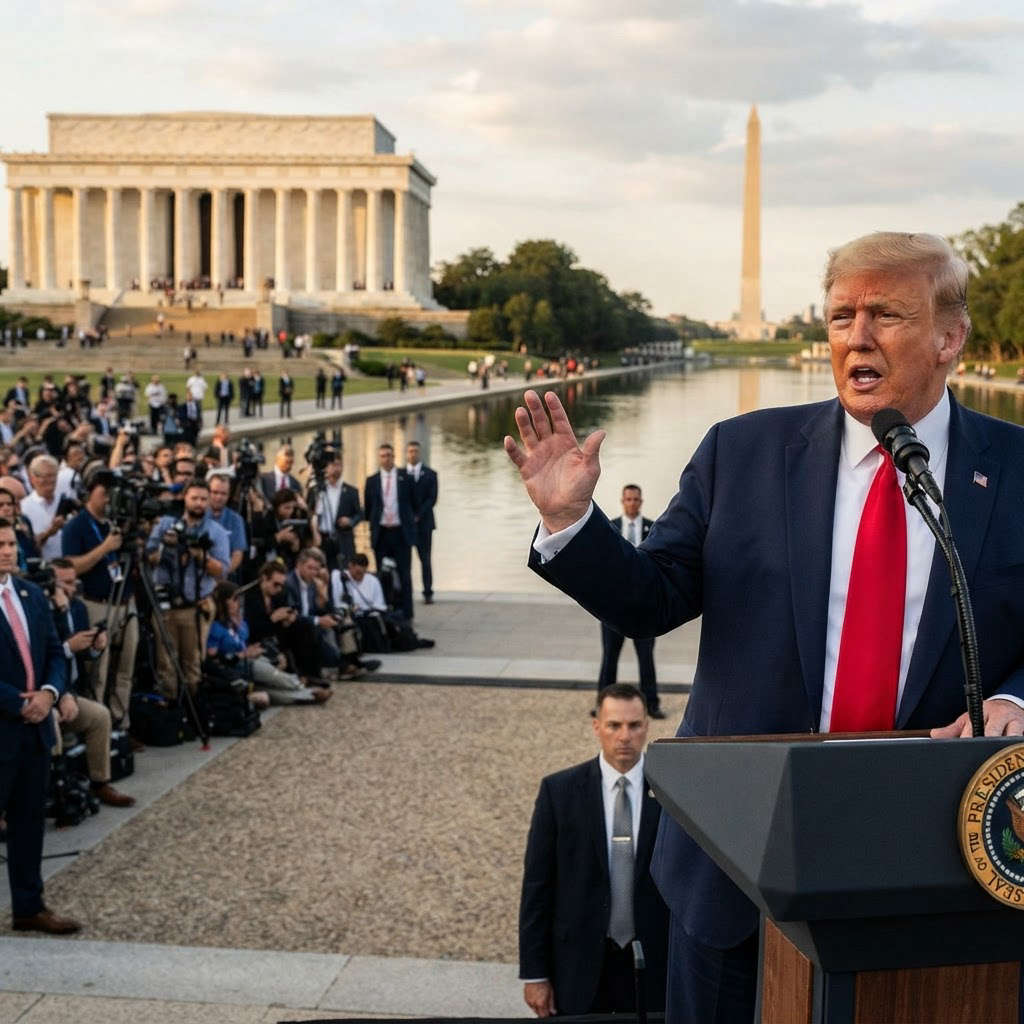
President Donald Trump is moving to nominate a Texas Supreme Court justice who lost their reelection bid in the November 3, 2026, midterm elections to a life-tenured federal judgeship. Senate records indicate the nomination process has begun following the justice's electoral defeat. This action occurs as the administration continues to process judicial nominations.
This appointment directly impacts the composition of the federal judiciary, which holds life-tenured authority over constitutional interpretation and federal law enforcement, influencing US legal standards for decades.
The key actors involved are President Donald Trump, the unnamed Texas Supreme Court justice, and the members of the U.S. Senate Judiciary Committee. The President holds the constitutional authority to nominate federal judges, while the Senate Judiciary Committee is responsible for vetting and recommending these nominees for confirmation.
President Trump is moving to nominate a Republican Texas Supreme Court justice who was recently defeated in the November 2026 midterm elections to a lifetime federal judgeship. This action is part of a broader effort to secure judicial appointments before the new Congress takes office. The nomination has been noted in Senate records, though no formal announcement has been made by the White House.
The nomination concerns a federal judicial seat, likely within the jurisdiction of the Texas-based federal courts. The process is centered in Washington, D.C., within the Senate Judiciary Committee chambers.
The justice lost their reelection bid on November 3, 2026. Senate records regarding the nomination were made public on November 5, 2026, indicating the process is currently underway.
The administration's motivation is to solidify conservative influence within the federal judiciary. By nominating a known conservative jurist, the President aims to ensure that judicial philosophy remains aligned with his administration's goals, even as the political landscape shifts following the midterm elections.
The process follows the constitutional mandate under Article II, Section 2, which grants the President the power to nominate federal judges with the advice and consent of the Senate. The Senate Judiciary Committee reviews the nominee's qualifications and record before a full Senate vote. This mechanism allows the executive to shape the judiciary, provided they can secure the necessary support in the Senate.
Sources
Topics
- Universe One
- Cabinet & Federal Appointments
- president
- trump
- moves
- nominate
- texas
- supreme
- court
- justice
- federal
- bench