Emerging National Story
Democrats Secure Congressional Majorities Following 2026 Midterm Elections
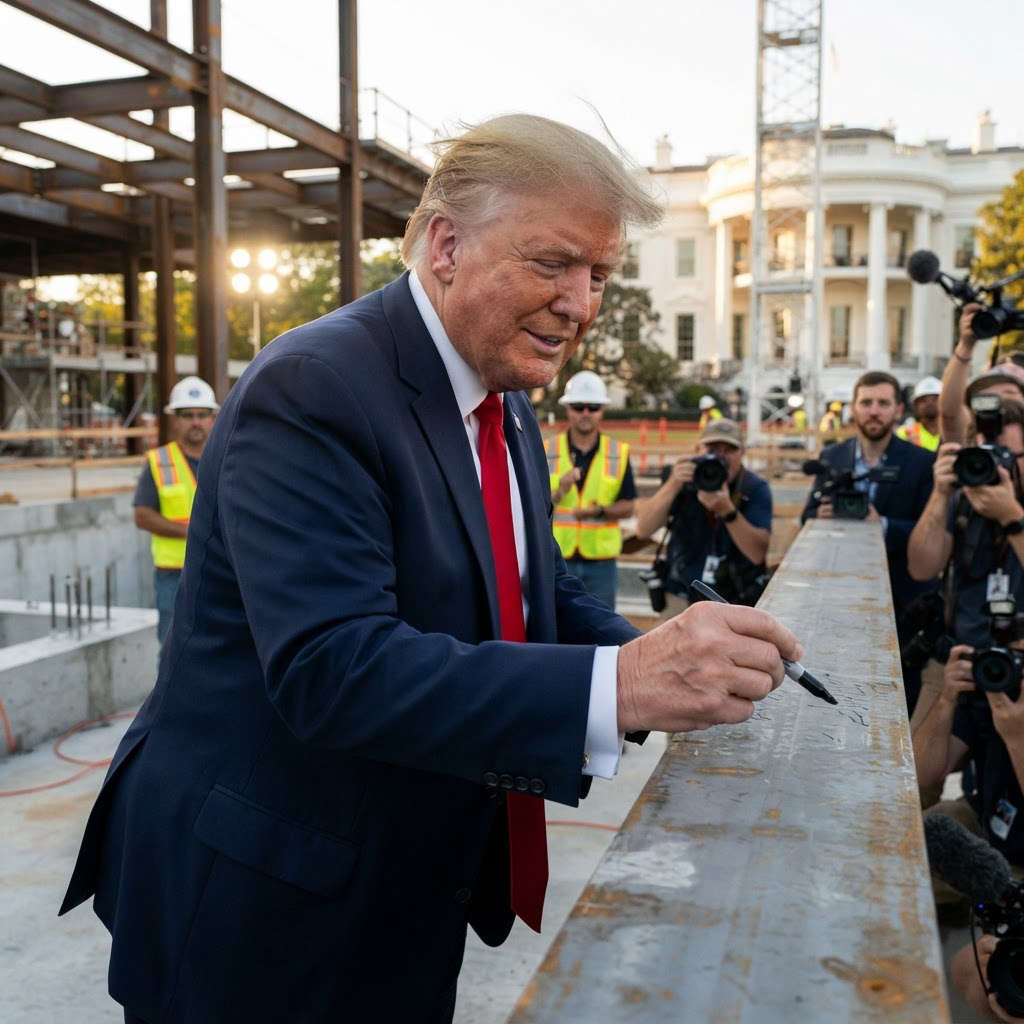
The Democratic Party has secured control of both the U.S. House of Representatives and the Senate following the 2026 midterm elections. Projections indicate that Democrats have gained seats in both chambers, shifting the balance of power for the remainder of President Trump's term. Election officials are finalizing vote counts in remaining districts, though the overall control of Congress has been determined.
The shift in congressional control fundamentally alters the legislative landscape for the United States, impacting the administration's ability to pass policy, confirm appointments, and manage federal investigations over the next two years.
The primary actors involved are the Democratic Party, which has secured majorities in both the House and Senate, and the administration of President Donald Trump. Key figures include incoming Democratic leadership in both chambers, who will now hold the power to set the legislative agenda and initiate oversight investigations. The Republican Party, now in the minority, will transition to a role of opposition, focusing on challenging the Democratic agenda and preparing for future electoral cycles.
Democrats have won control of both the U.S. House of Representatives and the Senate in the 2026 midterm elections. This shift in power marks a significant change in the U.S. political landscape, as the party now has the authority to pass legislation, confirm appointments, and conduct oversight of the executive branch. The results represent a decisive rejection of the Republican platform by a significant portion of the electorate, driven by concerns over economic conditions and the direction of the country.
The impact of these election results is national, affecting the legislative process in Washington, D.C., and the political dynamics in every state. The results were determined by the outcomes of individual congressional races across the country, with key victories in both traditional strongholds and competitive districts.
The election took place on Tuesday, November 3, 2026. The new Congress will be sworn in and assume power in January 2027. The period between the election and the inauguration of the new Congress is a transition phase, during which the incoming majority will prepare its legislative agenda and committee assignments.
The Democratic victory is attributed to a combination of factors, including voter dissatisfaction with the current economic situation, particularly rising prices, and a desire for a change in the direction of the country. The results also reflect a broader political shift, with voters expressing concerns about the administration's policies on trade, foreign affairs, and other key issues.
The shift in power was achieved through the democratic process of the midterm elections, where voters cast ballots for their representatives in the House and Senate. The results were determined by the aggregate of these individual races, with the Democratic Party successfully mobilizing its base and appealing to independent voters in key districts. The process is governed by the U.S. Constitution and federal election laws, which ensure the integrity and transparency of the electoral system.
The shift in congressional control is a pivotal moment in U.S. politics, as it fundamentally alters the balance of power between the executive and legislative branches. It will likely lead to a more contentious legislative environment, with the potential for significant policy changes and increased oversight of the administration.
The incoming Democratic majority will begin the process of organizing its leadership, committee assignments, and legislative agenda. The administration will need to navigate this new political reality, potentially seeking areas of compromise or preparing for increased conflict with Congress.
Key Unknowns
The extent to which the new Democratic majority will be able to pass its legislative agenda remains uncertain, given the potential for Republican opposition and the need for bipartisan cooperation. The scope and intensity of the oversight investigations that the new majority will initiate are also unknown.
Watch for the announcement of committee chairmanships, the introduction of the first major pieces of legislation, and the administration's response to the new political reality. The tone and substance of the interactions between the White House and the new congressional leadership will be key indicators of the political climate for the next two years.
Sources
Topics
- Universe One
- Emerging National Story
- democrats
- secure
- congressional
- majorities
- following
- 2026
- midterm
- elections