
Cardiovascular & Metabolic Research
Could semaglutide improve heart function in patients with obesity and heart failure by 2028

Researchers from the Mayo Clinic demonstrated that semaglutide directly improves specific parameters of heart function in individuals with obesity and heart failure with preserved ejection fraction. The study, published in Nature Medicine on November 8, 2026, highlights the drug's potential cardiovascular benefits beyond weight loss. While the results are significant, the study was relatively small and not designed to measure long-term clinical outcomes like hospitalizations or mortality.
Hemodynamic Mechanisms and Clinical Evidence
The study published in Nature Medicine (2026) by researchers at the Mayo Clinic provides evidence that semaglutide, a GLP-1 receptor agonist, exerts direct effects on cardiac function in patients with obesity and heart failure with preserved ejection fraction (HFpEF). Unlike previous studies that focused primarily on weight loss as the driver of cardiovascular risk reduction, this trial specifically measured hemodynamic parameters, finding a reduction in pressures within the heart (Mondosanità, 2026). This suggests that the drug may improve cardiac mechanics independently of its systemic metabolic effects, though the study was limited by its small sample size and specific patient selection (Mondosanità, 2026).
Path to Clinical Integration
While these findings are promising, they do not yet constitute a standard of care for all heart failure patients. The research was not designed to demonstrate a reduction in hard clinical endpoints such as mortality or hospitalizations, which remain the gold standard for regulatory approval in this domain (Mondosanità, 2026). Future research must focus on larger, randomized controlled trials to determine the long-term safety and efficacy of this approach. Furthermore, clinicians must remain vigilant regarding the drug's side-effect profile, which includes gastrointestinal issues such as nausea and vomiting (Mondosanità, 2026). The path forward involves integrating these findings into the broader framework of Cardiovascular-Kidney-Metabolic (CKM) syndrome management, as advocated by the American Heart Association (AHA, 2026). Researchers should next investigate whether these hemodynamic improvements are sustained over longer durations and if they correlate with improved quality-of-life metrics in diverse patient populations.
What It Will Take to Advance This
Large-scale, multi-center Phase III clinical trials are required to confirm whether the observed hemodynamic improvements translate into reduced mortality and hospitalization rates for heart failure patients. Researchers must identify the specific molecular mechanisms by which semaglutide influences cardiac tissue remodeling to distinguish these effects from simple weight-loss-driven improvements. Increased funding from both public health agencies and private entities is necessary to support the long-term, expensive clinical trials required to establish semaglutide as a standard treatment for heart failure. Regulatory bodies like the FDA must establish clear guidelines for the use of GLP-1 agonists in heart failure patients, including standardized monitoring protocols for cardiac function and side effects. Healthcare systems must build the digital and clinical infrastructure necessary to coordinate care between cardiologists, diabetologists, and obesity specialists to manage patients on this therapy effectively.
Future Possibilities
If semaglutide's cardiac benefits are confirmed in larger trials, it could become a primary treatment for patients with HFpEF and obesity, potentially reducing the reliance on traditional diuretics. This would shift the treatment paradigm from symptom management to addressing the underlying metabolic-cardiac dysfunction. Future research should focus on identifying specific biomarkers that predict which patients will show the greatest hemodynamic improvement. This would allow for more personalized treatment plans, potentially improving outcomes for millions of patients currently managed with less effective therapies.
- •Mid term (2-5 years)
- •Moderate confidence
Reference: The study published in Nature Medicine (2026) by Mayo Clinic researchers demonstrated direct improvements in heart function parameters in a randomized clinical trial.
The widespread adoption of semaglutide for heart failure could significantly alter healthcare spending, as the drug is currently expensive and requires long-term administration. While the initial costs are high, the potential reduction in hospitalizations for heart failure could lead to long-term cost savings for healthcare systems. Economic analyses will be required to determine the cost-effectiveness of this therapy compared to existing standard-of-care treatments. Future studies should include health economic evaluations to guide insurance coverage and pricing policies.
- •Long term (5+ years)
- •Moderate confidence
Reference: Mondosanità (2026) notes that these results raise an economic question regarding the drug's use in broader patient populations.
Pharmaceutical companies may shift their R&D focus toward developing next-generation GLP-1 agonists that are specifically optimized for cardiac function rather than just weight loss. This could lead to a new class of 'cardio-metabolic' drugs that offer targeted benefits for patients with complex, multi-organ conditions. The industry will need to invest in clinical trials that specifically target the CKM syndrome population. A key research direction is to determine if these cardiac benefits are unique to semaglutide or a class effect of all GLP-1 receptor agonists.
- •Mid term (2-5 years)
- •Moderate confidence
Reference: The American Heart Association (2026) highlights the growing importance of the CKM syndrome initiative and the need for new, coordinated therapies.
As the use of semaglutide expands to treat heart failure, ethical questions regarding equitable access will become more prominent. If the drug is proven to be highly effective for heart failure, ensuring that low-income patients have access will be a major policy challenge. Regulatory bodies will need to balance the need for rapid access to life-saving treatments with the necessity of rigorous safety monitoring. Future research should investigate the long-term safety profile of the drug in diverse populations to ensure that benefits are not outweighed by risks.
- •Mid term (2-5 years)
- •Low confidence
Reference: Mondosanità (2026) emphasizes that the drug is not without side effects and that each indication must be evaluated separately.
For patients with obesity and heart failure, this advancement could mean a significant improvement in daily physical function and quality of life. By directly addressing the cardiac pressure issues, patients may experience reduced fatigue and improved exercise tolerance. This would allow for greater independence and participation in daily activities. Future research should incorporate patient-reported outcome measures to better understand the real-world impact of this treatment on daily living.
- •Long term (5+ years)
- •Moderate confidence
Reference: The study in Nature Medicine (2026) suggests that semaglutide improves heart function, which is directly linked to physical capacity in heart failure patients.
The National Institutes of Health (NIH) should prioritize funding for large-scale, multi-center Phase III clinical trials to confirm whether these hemodynamic improvements translate into reduced mortality and hospitalization rates for heart failure patients. This would follow the precedent set by previous cardiovascular outcomes trials for GLP-1 agonists. Such trials would require a diverse patient population to ensure findings are generalizable across different demographics.
- •Previous studies have documented cardiovascular benefits of semaglutide in specific populations (Mondosanità, 2026).
- •The current study provides a mechanistic basis for these observed benefits (Nature Medicine, 2026).
Reference: Nature Medicine, 'Hemodynamic effects of semaglutide in individuals with heart failure with preserved ejection fraction and obesity', 2026
Academic medical centers should establish dedicated research programs to investigate the molecular mechanisms by which semaglutide influences cardiac tissue remodeling. By leveraging existing infrastructure for metabolic research, these programs can identify biomarkers that predict which patients are most likely to experience cardiac functional improvements. This research would be essential for moving toward precision medicine in heart failure management.
- •Obesity is a major contributor to the development and worsening of cardiovascular diseases (Mondosanità, 2026).
- •Integrated pathways among cardiologists and diabetologists are increasingly recognized as essential (Mondosanità, 2026).
Reference: Mondosanità, 'Semaglutide not only helps with weight loss', 2026
Regulatory bodies like the FDA should update clinical guidelines to include specific hemodynamic monitoring for patients with heart failure receiving GLP-1 therapy. This would involve establishing standardized protocols for assessing cardiac pressure changes during treatment. Such standards would ensure that clinicians can safely manage patients while maximizing the therapeutic benefits of the drug.
- •The drug is not without side effects, including gastrointestinal disturbances (Mondosanità, 2026).
- •Each indication for the drug must be evaluated separately (Mondosanità, 2026).
Reference: Mondosanità, 'Semaglutide not only helps with weight loss', 2026
Medical education programs should integrate training on the intersection of metabolic and cardiovascular health to prepare the next generation of specialists. This includes training on the use of continuous glucose monitors and advanced cardiac imaging to track patient progress. By fostering interdisciplinary collaboration, healthcare systems can better manage the complex needs of patients with cardiovascular-kidney-metabolic (CKM) syndrome.
- •The American Heart Association's 2026 guideline emphasizes the connections between heart disease, kidney disease, diabetes, and obesity (AHA, 2026).
- •Integrated care pathways are critical for managing these interconnected conditions (Mondosanità, 2026).
Reference: American Heart Association, 'Researchers say inflammation as a treatment target still important', 2026
Healthcare systems should invest in digital health infrastructure that allows for the seamless sharing of metabolic and cardiac data between specialists. This would enable real-time monitoring of patients on semaglutide, facilitating timely adjustments to treatment plans. Such infrastructure is necessary to support the shift toward proactive, rather than reactive, management of chronic metabolic-cardiovascular conditions.
- •Digital health interventions are being evaluated to optimize heart failure management (AHA, 2026).
- •Routine, coordinated screening is essential for improving CKM health outcomes (AHA, 2026).
Reference: American Heart Association, 'Science News from #ScientificSessions26', 2026
Government Deals & Contracts
Defense Logistics Agency Directs $2 Billion to Stockpile Critical Materials

The Defense Logistics Agency has initiated a $2 billion procurement effort to stockpile critical materials essential for U.S. aerospace, shipbuilding, and munitions production. This strategic move aims to bolster domestic supply chains by providing U.S. suppliers with clear, long-term demand signals for materials like high-purity aluminum and vanadium pentoxide. The initiative is designed to reduce reliance on foreign sources and ensure the industrial base can meet national security requirements. This effort represents a significant shift toward proactive industrial base management to mitigate potential supply chain disruptions.
"Defense Logistics Agency Directs $2 Billion to Stockpile Critical Materials" — do you expect real action to follow, not just talk?
Senate Republicans Face Internal Pressure to Delay Leadership Elections
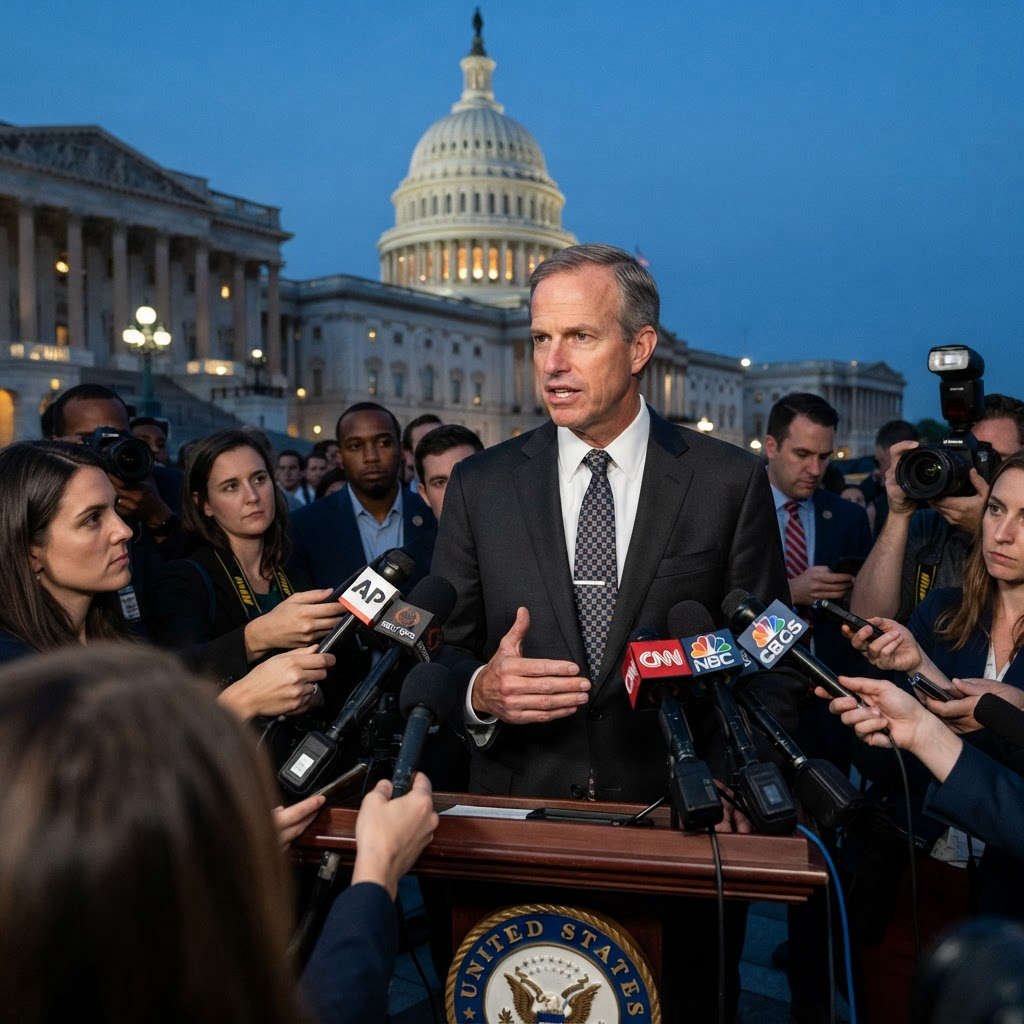
A group of Republican senators is calling for a delay in the party's leadership elections, which are scheduled for November 10, 2026. These lawmakers argue that the conference should evaluate the results of the recent midterm elections before confirming leadership. Senate Minority Leader John Thune is currently the only publicly declared candidate for the top position, though some colleagues contend that a delay is necessary to discuss the party's future direction.
"Senate Republicans Face Internal Pressure to Delay Leadership Elections" — do you expect real action to follow, not just talk?
Europe & NATO
Spain Deploys Eurofighter Jets to Romania to Bolster NATO Eastern Flank Air Defense

Spain has deployed a contingent of Eurofighter aircraft to Mihail Kogalniceanu Air Base in Romania to enhance NATO's air policing capabilities along the Black Sea. This deployment is part of the broader Eastern Sentry framework, which aims to reinforce deterrence through increased fighter jet presence and integrated air defense systems. The move follows heightened Russian military activity near Alliance territory, signaling a dynamic and multinational approach to regional security. This operation underscores the commitment of member states to maintain a ready and adaptable posture against potential escalations.
"Spain Deploys Eurofighter Jets to Romania to Bolster NATO Eastern Flank Air Defense" — do you expect real action to follow, not just talk?
·
© 2026 Universe One LLC. All rights reserved.
South & Central Asia
Pakistan and Sudan Sign Visa-Free Travel Agreement for Diplomatic and Official Passport Holders

Pakistan and Sudan have officially signed a bilateral agreement to waive visa requirements for holders of diplomatic and official passports. The Ministry of Interior of Pakistan confirmed the deal, which aims to strengthen institutional cooperation, police training, and security partnerships between the two nations. Additionally, both countries have agreed to pursue a memorandum of understanding to enhance joint efforts in combating cybercrime. This diplomatic move follows recent high-level engagements between the two governments regarding civil registration and security infrastructure.
"Pakistan and Sudan Sign Visa-Free Travel Agreement for Diplomatic and Official Passport Holders" — do you expect real action to follow, not just talk?
Europe & NATO
Spain Deploys Eurofighter Jets to Romania to Bolster NATO Eastern Flank Air Defense
Spain has deployed a contingent of Eurofighter aircraft to Mihail Kogalniceanu Air Base in Romania to enhance NATO's air policing capabilities along the Black Sea. This deployment is part of the broader Eastern Sentry framework, which aims to reinforce deterrence through increased fighter jet presence and integrated air defense systems. The move follows heightened Russian military activity near Alliance territory, signaling a dynamic and multinational approach to regional security. This operation underscores the commitment of member states to maintain a ready and adaptable posture against potential escalations.
"Spain Deploys Eurofighter Jets to Romania to Bolster NATO Eastern Flank Air Defense" — do you expect real action to follow, not just talk?
·
© 2026 Universe One LLC. All rights reserved.
Senate Republicans Face Internal Pressure to Delay Leadership Elections
A group of Republican senators is calling for a delay in the party's leadership elections, which are scheduled for November 10, 2026. These lawmakers argue that the conference should evaluate the results of the recent midterm elections before confirming leadership. Senate Minority Leader John Thune is currently the only publicly declared candidate for the top position, though some colleagues contend that a delay is necessary to discuss the party's future direction.
"Senate Republicans Face Internal Pressure to Delay Leadership Elections" — do you expect real action to follow, not just talk?
Government Deals & Contracts
Defense Logistics Agency Directs $2 Billion to Stockpile Critical Materials
The Defense Logistics Agency has initiated a $2 billion procurement effort to stockpile critical materials essential for U.S. aerospace, shipbuilding, and munitions production. This strategic move aims to bolster domestic supply chains by providing U.S. suppliers with clear, long-term demand signals for materials like high-purity aluminum and vanadium pentoxide. The initiative is designed to reduce reliance on foreign sources and ensure the industrial base can meet national security requirements. This effort represents a significant shift toward proactive industrial base management to mitigate potential supply chain disruptions.
"Defense Logistics Agency Directs $2 Billion to Stockpile Critical Materials" — do you expect real action to follow, not just talk?
·
© 2026 Universe One LLC. All rights reserved.
Cookie Notice
18+ BETACookies keep you signed in and run our ads. We do not sell your data. Analytics and ad-personalization stay off until you accept.
We use cookies to keep you signed in, remember your preferences, and run the in-app ad system that keeps Universe One free. We do not sell your data. Analytics and ad-personalization cookies stay off until you accept. Ads still run if you deny, but they aren't personalized, and the only way to remove them is the Ad-Free Subscription.
You must be 18 or older to create an account during Beta testing.