




Human Rights & Refugees
UNHCR Reports 90 Million Displaced People Face High Climate Exposure Ahead of COP31
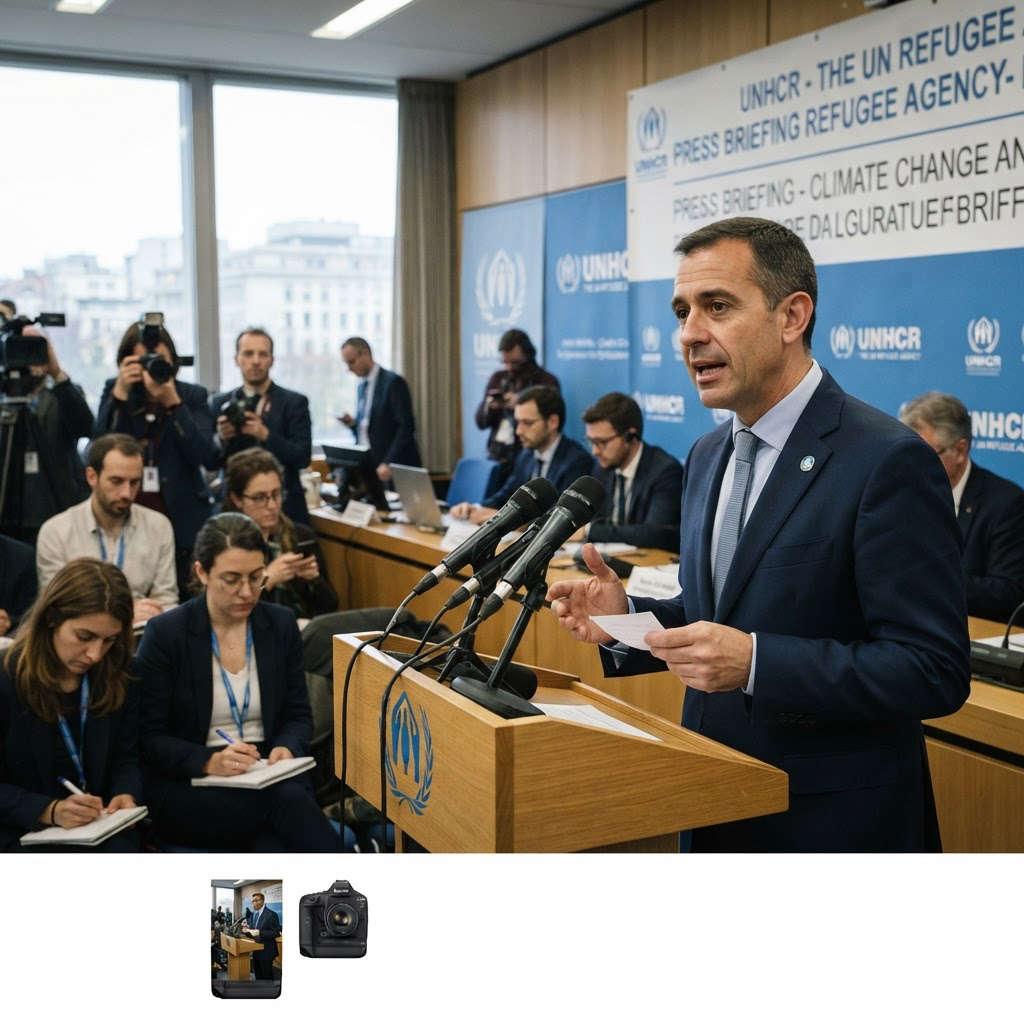
The United Nations High Commissioner for Refugees (UNHCR) released a report on November 5, 2026, stating that nearly 90 million forcibly displaced people currently reside in countries with high exposure to climate hazards. This figure represents approximately three out of every four displaced individuals globally, highlighting the intersection of conflict and environmental vulnerability. The findings were published ahead of the COP31 climate summit, which is scheduled to convene in Antalya, Türkiye, from November 9 to November 20, 2026. The agency emphasizes that without targeted climate finance and adaptation support, these populations face increasing risks of further displacement.
Public Health Research
Could standardized CRISPR manufacturing make curative sickle cell gene therapy accessible by 2030
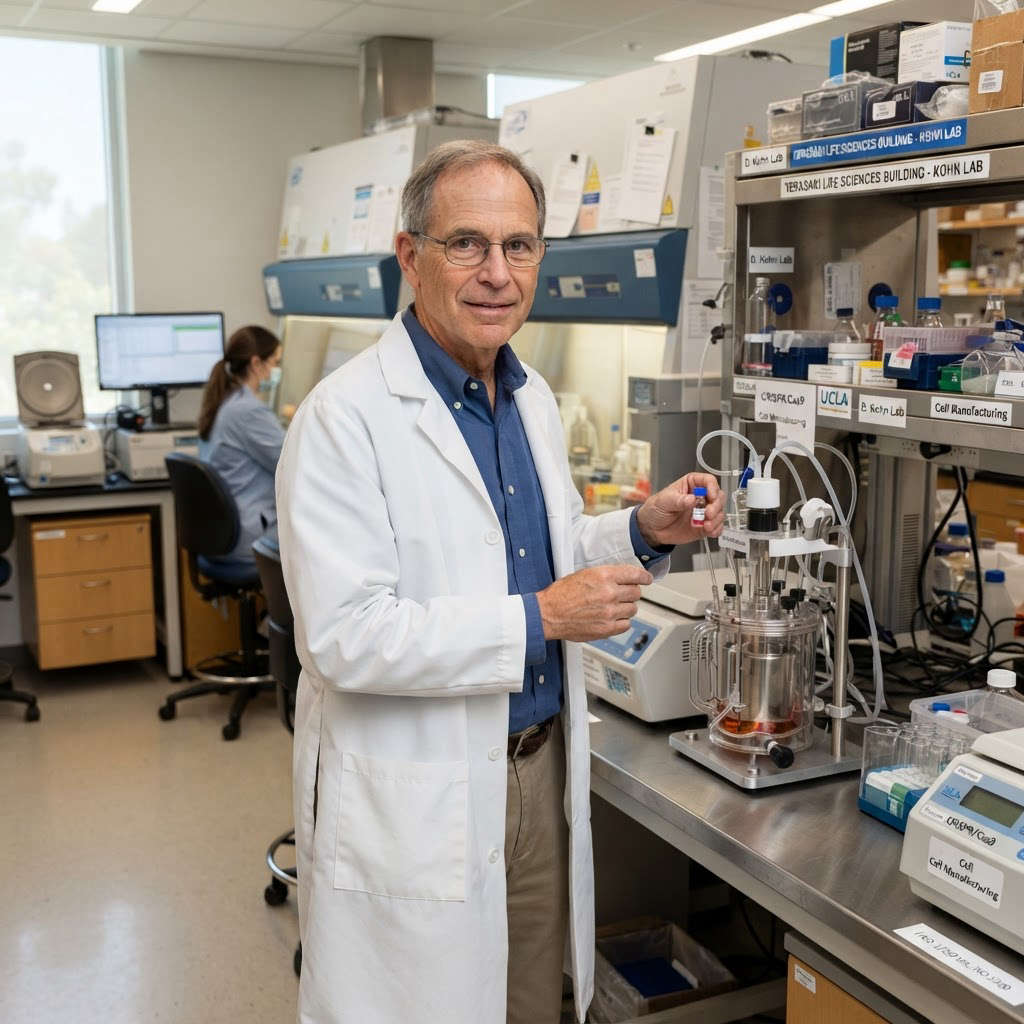
A UCLA-led research team has developed a reproducible, scalable manufacturing process for CRISPR-Cas9 gene-edited blood stem cells to treat sickle cell disease. The method involves maintaining stem cells in culture for two days followed by electrical pulse-mediated gene editing to correct the disease-causing mutation. This process has already been implemented to produce clinical-grade cell products for participants in an ongoing Phase 1 clinical trial.
Standardizing the Manufacturing Pipeline
The recent advancement led by researchers at UCLA represents a critical shift from bespoke, laboratory-scale gene editing to a reproducible manufacturing process for autologous hematopoietic stem cell therapy (UCLA Newsroom, 2026). By developing a protocol where stem cells are maintained in culture for two days and then subjected to electrical pulse-mediated CRISPR-Cas9 editing, the team has successfully produced cell products that meet the stringent quality requirements for a Phase 1 clinical trial (Molecular Therapy, 2026). This methodology addresses a significant bottleneck in the field: the transition from successful bench-top proof-of-concept to the reliable, high-quality production necessary for human clinical testing (News-Medical, 2026). The process has already been deployed to support trial participants at UCSF Benioff Children’s Hospital Oakland, marking a tangible step toward clinical validation (News-Medical, 2026).
Evidence and Long-Term Safety Considerations
While the immediate results demonstrate that red blood cells differentiated from these edited stem cells produce significantly less sickle hemoglobin in vitro, the broader scientific community remains focused on the long-term safety profile of CRISPR-based interventions (Gene Therapy, 2026). A systematic review of 21 clinical and preclinical studies published between 2014 and 2026 underscores that while CRISPR/Cas9 therapies for beta-thalassemia and sickle cell disease show striking efficacy, data on long-term engraftment dynamics and potential genotoxicity remain limited to short-term follow-up periods of approximately 1.5 to 2 years (Gene Therapy, 2026). The UCLA study reports no noteworthy treatment-related toxicity or abnormal tissue changes in their preclinical models, providing a foundation for safety (UCLA Newsroom, 2026). However, researchers emphasize that the field still lacks definitive data on the potential for off-target mutations to cause genetic problems decades after treatment (Gene Therapy, 2026). Future research must prioritize longitudinal surveillance to determine if these therapies remain safe and effective over the lifespan of the patient, as the current clinical evidence is insufficient to rule out late-onset adverse events (Gene Therapy, 2026).
What It Will Take to Advance This
Long-term longitudinal studies are required to monitor patients for at least 10-20 years to assess the durability of engraftment and the potential for late-onset genotoxic effects. Current clinical data is limited to short-term follow-up periods of 1.5 to 2 years, which is insufficient to confirm long-term safety. Researchers must optimize the efficiency of the CRISPR-Cas9 editing process to ensure a higher percentage of corrected stem cells, thereby reducing the total number of cells required for a successful transplant. Improving the precision of the editing to minimize off-target effects remains a critical technical hurdle. Sustained funding from public and private sources is necessary to support the transition from Phase 1 trials to larger, multi-center Phase 3 trials. This includes investment in the specialized infrastructure required for GMP-compliant manufacturing at scale. Regulatory agencies must establish clear, standardized guidelines for the safety assessment of CRISPR-edited hematopoietic stem cells. This includes defining the acceptable thresholds for off-target mutations and the required duration of patient monitoring post-treatment. The industry must develop and validate automated, closed-system manufacturing platforms that can be deployed across multiple clinical sites. This is essential to ensure the consistency and quality of the cell product, which is currently a major barrier to widespread clinical adoption.
Future Possibilities
The maturation of this manufacturing process could enable the widespread availability of curative gene therapies for sickle cell disease, potentially replacing lifelong transfusion and pain management regimens. By reducing the complexity of cell processing, the cost of treatment could decrease, allowing more patients in diverse healthcare settings to access these therapies. Future research should focus on multi-center clinical trials to validate the consistency of the UCLA manufacturing protocol across different patient populations and hospital infrastructures.
- •Mid term (2-5 years)
- •Moderate confidence
Reference: UCLA researchers established a reproducible manufacturing process for CRISPR-edited stem cells that is currently being used in a Phase 1 clinical trial (UCLA Newsroom, 2026).
Advancements in scalable gene editing could enhance national health security by providing a platform for rapid response to genetic health crises or the development of personalized medical countermeasures. If the manufacturing infrastructure is decentralized, it could reduce reliance on centralized, vulnerable supply chains for advanced biologics. Researchers should investigate the portability of these automated cell-editing systems to ensure they can be deployed in various clinical environments during public health emergencies.
- •Long term (5+ years)
- •Low confidence
Reference: The UCLA approach provides a framework for moving other gene-editing therapies for inherited blood disorders from the laboratory to the clinic (UCLA Newsroom, 2026).
The transition to automated, standardized manufacturing for gene therapies could significantly lower the economic burden of chronic blood disorders on public health systems. By shifting from high-cost, manual laboratory production to efficient, scalable processes, the cost-per-patient could be reduced, making these therapies more sustainable for insurance providers and government health programs. Future studies should conduct cost-effectiveness analyses comparing the long-term savings of a one-time gene therapy versus the cumulative costs of chronic disease management.
- •Mid term (2-5 years)
- •High confidence
Reference: The study established a reproducible manufacturing process that meets the scale and quality required for clinical trials (UCLA Newsroom, 2026).
While the direct environmental impact of gene therapy manufacturing is currently minimal, the shift toward automated, closed-system production could reduce the waste associated with traditional, manual cell culture methods. By optimizing the use of reagents and reducing the need for large-scale, energy-intensive laboratory environments, the manufacturing process could become more sustainable. Researchers should evaluate the life-cycle environmental impact of these automated systems as they scale to commercial production levels.
- •Long term (5+ years)
- •Low confidence
Reference: The manufacturing process uses closed-system, automated cell processing technologies (News-Medical, 2026).
For patients with sickle cell disease, the successful maturation of this technology could mean the difference between a life of chronic pain and disability and a life of normal health. The ability to receive a curative treatment that uses the patient's own cells eliminates the need for donor matching and the risks of graft-versus-host disease. Future research should focus on patient-reported outcome measures to assess the long-term quality-of-life improvements following these gene-editing interventions.
- •Long term (5+ years)
- •Moderate confidence
Reference: Secondary analyses of clinical trials found that patients reported clinically significant improvements in quality of life (Bioengineer.org, 2026).
The National Institutes of Health (NIH) and the California Institute for Regenerative Medicine (CIRM) should prioritize multi-year grants for standardized manufacturing platforms to reduce the cost-per-patient of autologous therapies. By funding the transition from bespoke laboratory protocols to automated, closed-system manufacturing, these agencies can lower the barrier to entry for smaller clinical sites. This investment would mirror the successful scaling of CAR-T cell therapies, which required similar infrastructure shifts to move from academic centers to widespread clinical use.
- •UCLA researchers established a reproducible manufacturing process for CRISPR-edited stem cells (UCLA Newsroom, 2026).
- •The research was supported by the California Institute for Regenerative Medicine and the National Institutes of Health (UCLA Newsroom, 2026).
Reference: UCLA Newsroom, 'How a CRISPR sickle cell therapy moved from lab to clinical trial', Ani Vahradyan, 2026
Clinical trial sponsors should expand Phase 1 and Phase 2 enrollment to include diverse patient populations to validate the efficacy of the CRISPR-edited stem cell engraftment across different genetic backgrounds. By utilizing the established UCLA manufacturing protocol, researchers can ensure consistency in cell product quality across multiple trial sites, such as UCSF Benioff Children’s Hospital Oakland. This expansion is essential to determine if the corrected cells persist long-term in the bone marrow, a key metric for curative potential.
- •The manufacturing process is currently producing cell products for participants in an ongoing Phase 1 clinical trial (News-Medical, 2026).
- •Clinical trials are evaluating whether corrected cells persist in patients over time (News-Medical, 2026).
Reference: News-Medical, 'UCLA advances CRISPR gene-editing therapy for sickle cell disease', 2026
Biotechnology firms should adopt closed-system, automated cell processing technologies to enable the production of CRISPR-edited therapies at a scale sufficient for commercial distribution. This shift requires the integration of standardized electrical pulse-editing equipment into GMP-compliant facilities, reducing the reliance on manual, labor-intensive laboratory techniques. Achieving this scale is the primary requirement for moving from experimental clinical trials to a standard-of-care treatment model.
- •Researchers developed a manufacturing process where stem cells are maintained in culture and exposed to electrical pulses (UCLA Newsroom, 2026).
- •The process was designed to meet the scale and quality required for a clinical trial (UCLA Newsroom, 2026).
Reference: UCLA Newsroom, 'How a CRISPR sickle cell therapy moved from lab to clinical trial', Ani Vahradyan, 2026
Regulatory bodies like the FDA should establish specific guidelines for the long-term surveillance of CRISPR-edited hematopoietic stem cells to address lingering concerns regarding genotoxicity. By creating a standardized framework for monitoring off-target mutations and abnormal tissue changes, regulators can provide a clear pathway for the approval of next-generation gene therapies. This regulatory clarity will encourage further investment in CRISPR-based hemoglobinopathy treatments.
- •Systematic reviews highlight the need for long-term surveillance of CRISPR/Cas9 therapeutics (Gene Therapy, 2026).
- •Preclinical studies showed no noteworthy treatment-related toxicity or abnormal tissue changes (UCLA Newsroom, 2026).
Reference: Gene Therapy, 'Genotoxic safety and long-term engraftment dynamics of efficient translational CRISPR/Cas9 therapeutics for β-haemoglobinopathies from bench to clinical trials', Al-Subaie and Borgio, 2026
Academic medical centers should implement specialized training programs for clinical staff to manage the complex logistics of autologous stem cell collection, editing, and re-infusion. This workforce development is critical to ensure that the precision required in the laboratory is maintained during the clinical administration of the therapy. Training should focus on the integration of automated cell processing systems and the monitoring of patient engraftment dynamics.
- •The field of genomic medicine requires specialized technical skills for running assays and managing gene-editing workflows (SickKids, 2026).
- •The UCLA manufacturing process requires specific expertise in maintaining blood-forming stem cells in culture (UCLA Newsroom, 2026).
Reference: SickKids, 'New SickKids lab to expand the reach of gene editing in search of scalable therapies', 2026
·
© 2026 Universe One LLC. All rights reserved.
Cookie Notice
18+ BETACookies keep you signed in and run our ads. We do not sell your data. Analytics and ad-personalization stay off until you accept.
We use cookies to keep you signed in, remember your preferences, and run the in-app ad system that keeps Universe One free. We do not sell your data. Analytics and ad-personalization cookies stay off until you accept. Ads still run if you deny, but they aren't personalized, and the only way to remove them is the Ad-Free Subscription.
You must be 18 or older to create an account during Beta testing.