Diplomacy & Treaties

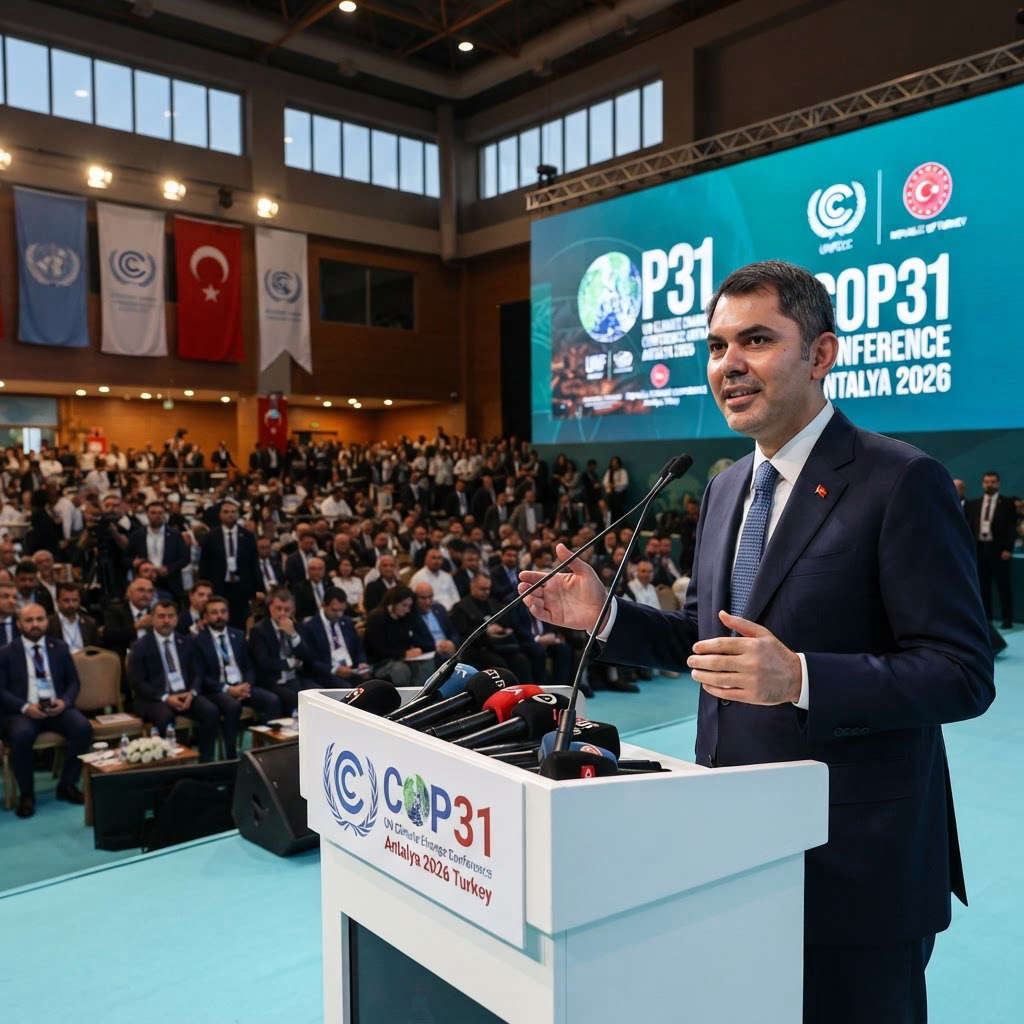
The 31st United Nations Climate Change Conference (COP31) officially opens on November 9 in Antalya, Turkey, with a focus on translating existing national climate commitments into measurable action. Co-led by Turkey and Australia, the summit aims to address critical gaps in climate finance, adaptation strategies, and the transition away from fossil fuels. Negotiators are tasked with finalizing over 60 mandated decisions and 100 agenda items, including a specific emphasis on global food security and methane reduction. The conference will run through November 20, featuring a high-level World Leaders’ Summit on November 11 and 12.
The key actors involved in COP31 include the UN Framework Convention on Climate Change (UNFCCC), which organizes the annual summit, and the host nation, Turkey, represented by President-designate Murat Kurum. Australia plays a unique role as the President of Negotiations, working in a dual-presidency arrangement with Turkey. Other participants include government delegations from nearly 200 countries, international financial institutions, multilateral development banks, and various non-governmental organizations, scientists, and business leaders.
COP31 is the 31st Conference of the Parties to the UNFCCC. The primary objective of this year's summit is to shift the focus from negotiating new headline pledges to the implementation of existing national climate plans. Key agenda items include climate finance, adaptation and resilience, the mitigation work program, and the transition away from fossil fuels. A significant new initiative is the Antalya Artificial Intelligence Pledge, a voluntary commitment to use AI to address environmental impacts. Additionally, food security has been elevated to a priority area for the first time in recent summits.
The summit is being held at the Antalya Expo Center in Antalya, Turkey. The conference spans from November 9 to November 20, 2026, with the high-level World Leaders’ Summit scheduled for November 11 and 12.
The conference officially begins on November 9, 2026, and concludes on November 20, 2026. The World Leaders’ Summit takes place on November 11 and 12. Parties are encouraged to submit outstanding nationally determined contributions (NDCs) and biennial transparency reports (BTRs) as soon as possible, with a deadline for second BTRs set for December 31, 2026.
The summit is motivated by the urgent need to address the gap between current climate pledges and the emissions reductions required to meet the 1.5°C target of the Paris Agreement. With global temperatures still rising and the increasing frequency of wildfires, floods, and droughts, there is significant pressure on negotiators to deliver concrete, measurable progress. The dual-presidency structure is intended to balance the logistical hosting duties with the complex procedural negotiations, aiming to bring consensus to a crowded and contentious agenda.
The process is consensus-based, requiring agreement among nearly 200 parties. Australia is leading negotiations on approximately 60 mandated decisions and over 100 agenda items. The summit utilizes a combination of formal negotiating tracks and voluntary 'Action Agendas' to encourage cooperation. Financial mechanisms, including the Loss and Damage Fund and support from multilateral development banks, are central to the discussions on how to bridge the multi-trillion-dollar adaptation finance gap. The summit also relies on the submission of NDCs and BTRs as the primary instruments for tracking national progress and accountability.
COP31 represents a critical test of the international community's ability to move from rhetoric to implementation. The success of this summit will determine whether the global climate regime remains a viable mechanism for coordinating environmental action or if it will continue to lose relevance as nations prioritize domestic interests over collective goals.
Following the summit, nations will be expected to integrate the outcomes into their domestic policies and meet the December 31, 2026, deadline for biennial transparency reports. The effectiveness of the Antalya AI Pledge and the progress on food security will be monitored in the lead-up to COP32.
It remains unclear whether the dual-presidency arrangement will successfully navigate the procedural complexities or if it will lead to confusion and delays. Furthermore, the level of financial commitment from developed nations to the Loss and Damage Fund and adaptation finance remains a significant point of contention that could derail the summit.
Watch for the outcomes of the World Leaders’ Summit on November 11-12, as these will set the tone for the remainder of the negotiations. Additionally, monitor the status of the nearly 50 countries that have yet to submit updated NDCs, as their participation will be a key indicator of the summit's success.

·
© 2026 Universe One LLC. All rights reserved.
Diplomacy & Treaties

The 31st United Nations Climate Change Conference (COP31) officially opens on November 9 in Antalya, Turkey, with a focus on translating existing national climate commitments into measurable action. Co-led by Turkey and Australia, the summit aims to address critical gaps in climate finance, adaptation strategies, and the transition away from fossil fuels. Negotiators are tasked with finalizing over 60 mandated decisions and 100 agenda items, including a specific emphasis on global food security and methane reduction. The conference will run through November 20, featuring a high-level World Leaders’ Summit on November 11 and 12.
The key actors involved in COP31 include the UN Framework Convention on Climate Change (UNFCCC), which organizes the annual summit, and the host nation, Turkey, represented by President-designate Murat Kurum. Australia plays a unique role as the President of Negotiations, working in a dual-presidency arrangement with Turkey. Other participants include government delegations from nearly 200 countries, international financial institutions, multilateral development banks, and various non-governmental organizations, scientists, and business leaders.
COP31 is the 31st Conference of the Parties to the UNFCCC. The primary objective of this year's summit is to shift the focus from negotiating new headline pledges to the implementation of existing national climate plans. Key agenda items include climate finance, adaptation and resilience, the mitigation work program, and the transition away from fossil fuels. A significant new initiative is the Antalya Artificial Intelligence Pledge, a voluntary commitment to use AI to address environmental impacts. Additionally, food security has been elevated to a priority area for the first time in recent summits.
The summit is being held at the Antalya Expo Center in Antalya, Turkey. The conference spans from November 9 to November 20, 2026, with the high-level World Leaders’ Summit scheduled for November 11 and 12.
The conference officially begins on November 9, 2026, and concludes on November 20, 2026. The World Leaders’ Summit takes place on November 11 and 12. Parties are encouraged to submit outstanding nationally determined contributions (NDCs) and biennial transparency reports (BTRs) as soon as possible, with a deadline for second BTRs set for December 31, 2026.
The summit is motivated by the urgent need to address the gap between current climate pledges and the emissions reductions required to meet the 1.5°C target of the Paris Agreement. With global temperatures still rising and the increasing frequency of wildfires, floods, and droughts, there is significant pressure on negotiators to deliver concrete, measurable progress. The dual-presidency structure is intended to balance the logistical hosting duties with the complex procedural negotiations, aiming to bring consensus to a crowded and contentious agenda.
The process is consensus-based, requiring agreement among nearly 200 parties. Australia is leading negotiations on approximately 60 mandated decisions and over 100 agenda items. The summit utilizes a combination of formal negotiating tracks and voluntary 'Action Agendas' to encourage cooperation. Financial mechanisms, including the Loss and Damage Fund and support from multilateral development banks, are central to the discussions on how to bridge the multi-trillion-dollar adaptation finance gap. The summit also relies on the submission of NDCs and BTRs as the primary instruments for tracking national progress and accountability.
COP31 represents a critical test of the international community's ability to move from rhetoric to implementation. The success of this summit will determine whether the global climate regime remains a viable mechanism for coordinating environmental action or if it will continue to lose relevance as nations prioritize domestic interests over collective goals.
Following the summit, nations will be expected to integrate the outcomes into their domestic policies and meet the December 31, 2026, deadline for biennial transparency reports. The effectiveness of the Antalya AI Pledge and the progress on food security will be monitored in the lead-up to COP32.
It remains unclear whether the dual-presidency arrangement will successfully navigate the procedural complexities or if it will lead to confusion and delays. Furthermore, the level of financial commitment from developed nations to the Loss and Damage Fund and adaptation finance remains a significant point of contention that could derail the summit.
Watch for the outcomes of the World Leaders’ Summit on November 11-12, as these will set the tone for the remainder of the negotiations. Additionally, monitor the status of the nearly 50 countries that have yet to submit updated NDCs, as their participation will be a key indicator of the summit's success.
South & Central Asia

The Pakistan military has warned the Afghan Taliban administration that it reserves the right to take necessary measures to address cross-border terrorism, which it describes as a "red line." Lieutenant General Ahmed Sharif Chaudhry, spokesperson for the Inter-Services Public Relations, has accused India of sponsoring terrorist activities in Pakistan through groups such as the TTP and BLA. This follows ongoing border tensions and a lack of progress in diplomatic efforts to secure the frontier. The United States has acknowledged Pakistan's security concerns and expressed a willingness to play a constructive role in addressing the regional situation.
The primary actors involved are the Pakistan military, represented by the Inter-Services Public Relations (ISPR) and its spokesperson, Lieutenant General Ahmed Sharif Chaudhry, and the Afghan Taliban administration. The United States, through Secretary of State Marco Rubio, has also emerged as a key diplomatic observer. Additionally, Pakistan has explicitly named India as the 'prime contractor' behind the militant groups Tehreek-e-Taliban Pakistan (TTP) and the Balochistan Liberation Army (BLA).
Pakistan has issued a formal warning to the Afghan Taliban, declaring that terrorism is a 'red line' and threatening 'unbearable punishment' for the continued harboring of militant leaders. This follows a series of persistent border clashes and a failure of diplomatic efforts to secure the frontier. Pakistan alleges that the Taliban is acting as a proxy for external powers, specifically India, to destabilize the country.
The conflict is centered along the Pak-Afghan border, specifically in regions such as Kurram and Angoor Adda in Lower South Waziristan. The geopolitical implications extend to the broader South Asian region, involving the interests of India, China, and the United States.
The warning was issued on November 1, 2026, following a period of escalating border skirmishes throughout October 2026. The situation remains active and ongoing as of November 8, 2026.
Pakistan's stated motivation is the protection of its citizens and the elimination of cross-border terrorism, which it views as an existential threat. The Afghan Taliban, conversely, has not publicly accepted responsibility for the actions of the TTP, leading to a breakdown in relations. Pakistan's accusation against India is rooted in a long-standing regional rivalry, with Islamabad claiming that New Delhi uses these groups to undermine Pakistani security.
The Pakistan military is utilizing a combination of traditional border security, such as fencing, and modern warfare capabilities, including cyber operations, drones, and long-range munitions. The diplomatic strategy involves leveraging international concern, particularly from the U.S., to pressure the Taliban into compliance. The conflict is managed through a mix of military posturing and diplomatic messaging, with both sides currently locked in a cycle of accusation and retaliation.
·
© 2026 Universe One LLC. All rights reserved.
Markets & Financial Stability

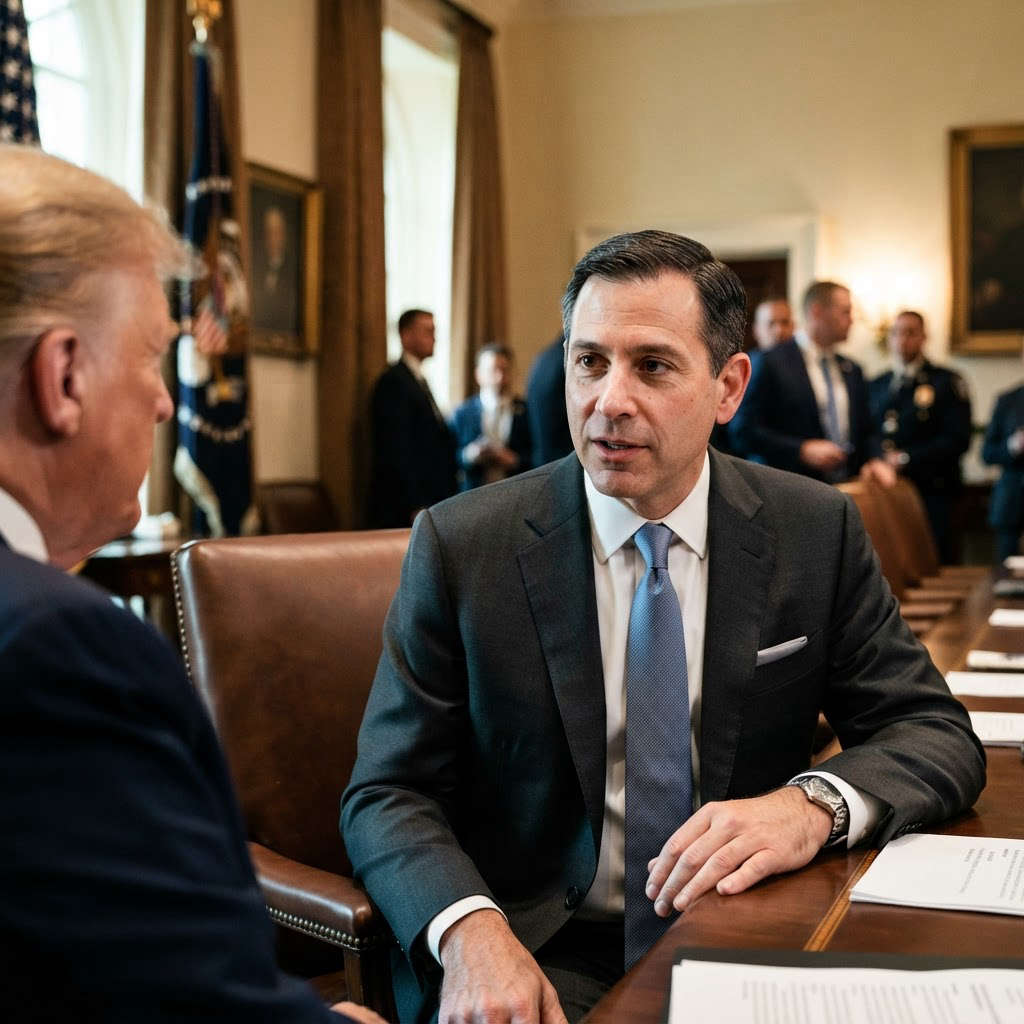
U.S. stock markets closed with mixed results on November 6, 2026, as investors processed the implications of recent midterm election outcomes and a stronger-than-expected October jobs report. The Nasdaq Composite and S&P 500 saw modest gains, while the Dow Jones Industrial Average declined, reflecting ongoing uncertainty regarding future Federal Reserve interest rate policy. Market volatility, as measured by the VIX, remains elevated compared to pre-election levels as traders weigh the potential for increased regulatory scrutiny on technology and data-center infrastructure. The robust employment data has led to speculation that the Federal Reserve may maintain higher interest rates to combat persistent inflation.
Market volatility directly impacts the retirement savings, investment portfolios, and borrowing costs of millions of Americans, while the Federal Reserve's interest rate decisions influence the broader U.S. economic trajectory.
The primary actors involved include the Federal Reserve, which manages interest rate policy; U.S. equity market investors, who are reacting to election outcomes and economic data; and Congress, whose new legislative majority is expected to influence the regulatory environment for technology and infrastructure. Key financial institutions, including major Japanese banks and U.S. tech firms like NVIDIA and AMD, are also central to the current market dynamics.
U.S. markets have experienced significant volatility following the midterm elections. While there was an initial rally, this was followed by a sharp selloff, particularly in AI-related technology stocks. This movement is driven by a combination of uncertainty regarding future regulatory policies and a strong October jobs report that has increased expectations for further interest rate hikes by the Federal Reserve.
The impact is primarily centered on U.S. financial markets, including the Nasdaq, S&P 500, and the Dow Jones Industrial Average. The regulatory discussions are focused on Washington, D.C., while the economic data reflects national labor market trends across the United States.
The volatility intensified following the midterm elections on November 3, 2026. The October jobs report was released on November 6, 2026, providing the latest data point for market participants. The next major decision point is the Federal Open Market Committee (FOMC) meeting scheduled for December 8-9, 2026.
The market's reaction is driven by two main factors: political uncertainty and economic resilience. Investors are concerned that a new congressional majority may impose stricter regulations on data centers and AI development, which could increase costs and delay projects. Simultaneously, the stronger-than-expected jobs report has fueled concerns about a 'wage-price spiral,' leading the market to price in a higher probability of interest rate hikes to curb inflation.
Market participants are using the Cboe Volatility Index (VIX) to gauge market sentiment, which has remained elevated. Investors are rotating capital between sectors, moving away from crowded tech trades toward more defensive or industrial sectors. The Federal Reserve uses its interest rate policy as the primary mechanism to influence economic activity, with the market closely monitoring every official statement and economic indicator to predict the next move.

Inflation & Cost of Living
The U.S. Bureau of Labor Statistics is scheduled to release the Consumer Price Index for October 2026 on Tuesday, November 10, at 8:30 a.m. ET. Economists anticipate the report will provide critical data on whether inflationary pressures are cooling following two months of accelerated price gains. Due to a government shutdown in October 2025, this month's report will notably lack a year-over-year comparison for overall prices. Market participants and Federal Reserve officials are closely monitoring these figures to gauge the trajectory of the broader economy.
The Consumer Price Index is a primary indicator of the cost of living for American households and directly influences Federal Reserve interest rate policy, which affects borrowing costs for mortgages, credit cards, and business loans.
The primary actors involved are the U.S. Bureau of Labor Statistics (BLS), which collects and publishes the data, and the Federal Reserve, which uses this data to inform monetary policy. Economists from major financial institutions and the Federal Reserve Bank of Cleveland are also key participants in forecasting and analyzing these trends.
The BLS is set to release the Consumer Price Index (CPI) for October 2026. This index measures the average change over time in the prices paid by urban consumers for a market basket of consumer goods and services. The upcoming report is highly anticipated because it follows two months of faster-than-expected price gains, and it will notably lack a year-over-year comparison due to a data collection gap during the October 2025 government shutdown.
The data covers the entire United States, reflecting price changes across various regions and sectors of the national economy. The release is managed from the BLS national office in Washington, D.C.
The report is scheduled for release on Tuesday, November 10, 2026, at 8:30 a.m. ET. This timing is critical as it follows the recent midterm elections and precedes the next Federal Open Market Committee (FOMC) deliberations.
The primary motivation for tracking the CPI is to monitor inflation, which directly impacts the cost of living for Americans and the stability of the U.S. economy. The Federal Reserve maintains a mandate to achieve price stability and maximum employment; therefore, persistent inflation above their target levels necessitates adjustments to interest rates. The lack of year-over-year data adds a layer of complexity to the analysis, requiring economists to rely more heavily on month-over-month trends.
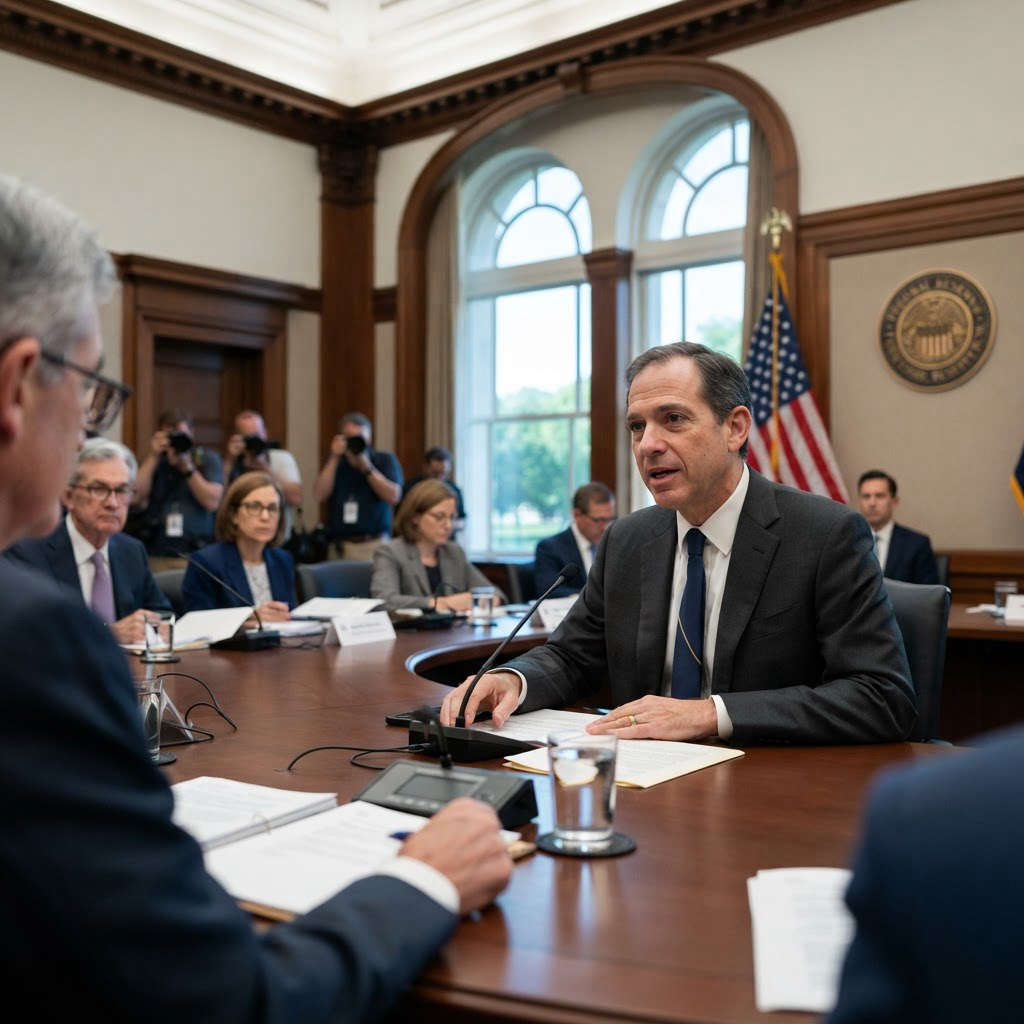
The BLS calculates the CPI by surveying prices for thousands of items across the country. These data points are aggregated and weighted to reflect the spending patterns of urban consumers. The resulting index is then analyzed by the Federal Reserve to determine if current interest rates—currently held between 3.75% and 4%—are sufficient to curb inflation or if further tightening is required.
Inflation remains a central concern for the American public and policymakers. The upcoming CPI report will serve as a litmus test for the effectiveness of current monetary policy and will likely influence market expectations for future interest rate decisions.
Following the release, financial markets will react to the data, and the Federal Reserve will incorporate these findings into their ongoing assessment of the economy. If inflation remains high, the pressure on the Fed to maintain or increase interest rates will intensify.
The primary unknown is the exact monthly percentage change in the CPI and how the market will interpret the absence of year-over-year data. Additionally, the extent to which recent energy price fluctuations will impact the final index remains a point of debate among forecasters.
Watch for the 8:30 a.m. ET release on November 10. Key metrics to monitor include the 'core' CPI (excluding food and energy) and the specific commentary from Federal Reserve officials following the release.
·
© 2026 Universe One LLC. All rights reserved.
Cookies keep you signed in and run our ads. We do not sell your data. Analytics and ad-personalization stay off until you accept.
We use cookies to keep you signed in, remember your preferences, and run the in-app ad system that keeps Universe One free. We do not sell your data. Analytics and ad-personalization cookies stay off until you accept. Ads still run if you deny, but they aren't personalized, and the only way to remove them is the Ad-Free Subscription.
You must be 18 or older to create an account during Beta testing.