
Global Terrorism
Senior NISA Commander Defects to Al-Shabaab Amid Escalating Security Crisis in Somalia
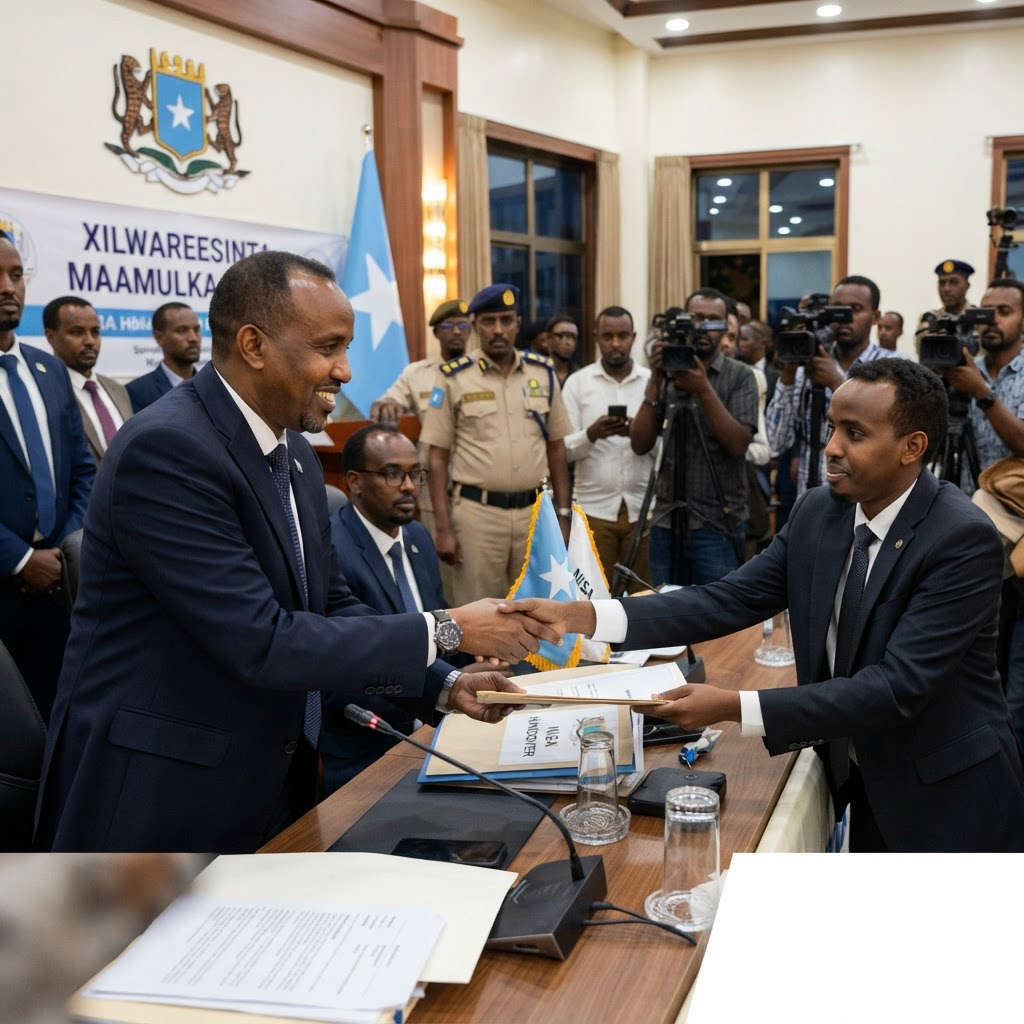
A high-ranking commander of Somalia's National Intelligence and Security Agency (NISA) has defected to the militant group Al-Shabaab, reportedly taking sensitive intelligence assets and communication equipment with him. This breach occurs as the Somali government faces significant political instability following a Supreme Court ruling that declared the terms of the president and parliament expired. The defection has raised urgent concerns regarding the compromise of NISA's paramilitary Duufaan unit and the broader integrity of Somali state security institutions.
"Senior NISA Commander Defects to Al-Shabaab Amid Escalating Security Crisis in Somalia" — will this still be in the news a week from now?
"Senior NISA Commander Defects to Al-Shabaab Amid Escalating Security Crisis in Somalia" — do you expect real action to follow, not just talk?
Life Support & Habitation Systems
Could the Moon Base Student Challenge accelerate the development of sustainable lunar life support systems
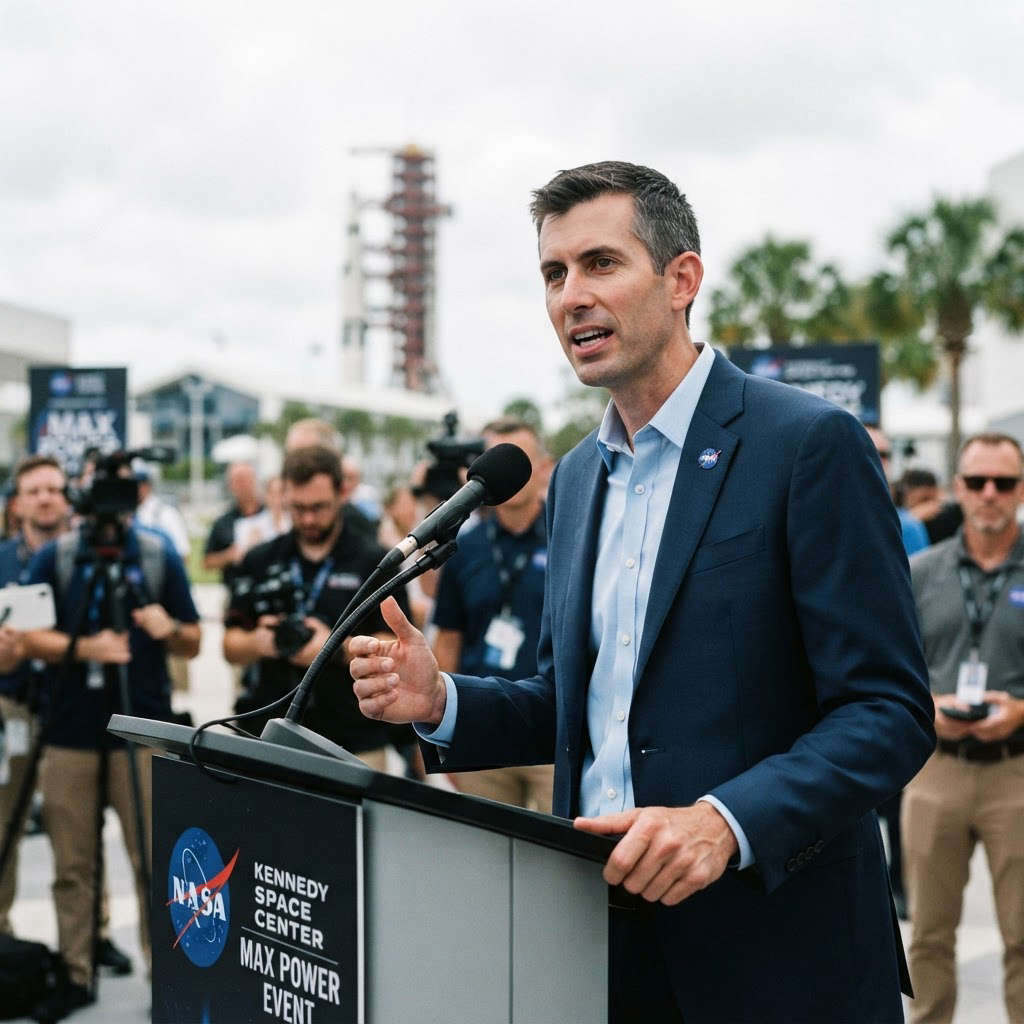
NASA has launched a $1 million Moon Base Student Challenge to solicit innovative designs for lunar surface operations from U.S. students. The competition focuses on six critical areas, including life-support systems, power generation, and habitat construction, to address the environmental challenges of the lunar South Pole. Participants are tasked with developing trade studies and concept proposals that reflect real-world mission parameters for long-term habitation. This initiative aims to cultivate the next generation of the aerospace workforce while generating novel technical solutions for future lunar infrastructure.
Integrating Student Innovation into Lunar Infrastructure
The Moon Base Student Challenge, announced by NASA on November 8, 2026, represents a strategic effort to crowdsource technical solutions for the agency's long-term lunar habitation goals (NASA, 2026). By focusing on six categories—including life-support systems, power generation, and habitat construction—the challenge forces participants to grapple with the same environmental constraints that currently drive NASA's internal research, such as the abrasive nature of lunar dust and the extreme thermal cycling of the lunar South Pole (New Space Economy, 2026). The requirement for industry-standard deliverables, such as trade studies and stakeholder briefings, ensures that the concepts generated are not merely theoretical but are grounded in the practical realities of mission design (NASA, 2026).
Bridging the Gap Between Simulation and Deployment
This challenge arrives as NASA continues to refine its life support strategies through analog missions like the 378-day CHAPEA simulation, which recently concluded in Houston (EconoTimes, 2026). Data from these simulations, which cover everything from crop cultivation to habitat maintenance, provide the necessary context for evaluating the feasibility of the student-proposed systems (EconoTimes, 2026). While the challenge is an educational initiative, it serves as a critical pipeline for identifying novel approaches to resource management, such as the integration of bioregenerative systems or advanced power storage (NASA, 2026). The next logical step for researchers is to determine how these student-led concepts can be validated against the performance benchmarks established by the International Space Station's ongoing exploration-class ECLSS testing (NASA, 2026). Success in this area will depend on the ability to translate these early-stage concepts into modular, flight-ready hardware that can be tested in the harsh conditions of the lunar surface, potentially utilizing the infrastructure being developed for the 2028 Space Reactor-1 Freedom mission (NASA, 2026).
What It Will Take to Advance This
Researchers must conduct long-term stability testing of bioregenerative life support components in simulated lunar gravity and radiation environments. This is necessary to ensure that biological systems, such as cyanobacteria, can maintain consistent performance over the multi-year durations required for a permanent lunar base. The primary technical barrier is the development of robust, dust-tolerant seals and mechanical interfaces for modular life support systems. Current research indicates that lunar dust adhesion and abrasion are significant threats to the longevity of surface systems, requiring new material solutions that can be validated through the DMEMS project (NASA, 2026). There is a need for a dedicated funding line to transition successful student concepts from the Moon Base Student Challenge into Phase I and Phase II SBIR-style development contracts. This would provide the necessary capital to move from conceptual design to functional prototype testing. NASA must establish a clear regulatory framework for the certification of commercial life support hardware intended for human-rated lunar missions. This includes defining the safety standards for systems that integrate both mechanical and biological components, ensuring they meet the stringent requirements for crew health and mission success. The industry must scale the production of modular, 3D-printable materials that can be manufactured using in-situ lunar regolith. This requires the development of large-scale, autonomous robotic assembly systems capable of operating in the extreme lunar environment, building upon the current capabilities of the ARMADAS project (NASA, 2026).
Future Possibilities
The maturation of student-designed life support systems could lead to more efficient, closed-loop medical and environmental monitoring for long-duration space missions. By optimizing resource usage, these systems could reduce the mass of medical supplies required for lunar missions, allowing for more robust diagnostic equipment. Future research should focus on integrating real-time physiological data from crew members into the life support control loop to automate environmental adjustments. This would require a high degree of sensor reliability and autonomous decision-making capability.
- •Mid term (2-5 years)
- •Moderate confidence
Reference: NASA is currently using health and performance data from the 378-day CHAPEA simulation to inform lunar mission planning (EconoTimes, 2026).
Advancements in modular, autonomous habitat construction and life support could have dual-use applications for remote, austere environments on Earth, such as military outposts or disaster relief zones. If these systems can operate reliably on the Moon, they could be adapted to provide rapid, self-sustaining infrastructure in inaccessible regions. Researchers should investigate the scalability of these modular designs for terrestrial deployment, focusing on the energy efficiency of the life support components. This would require testing the systems in extreme terrestrial climates to validate their resilience.
- •Long term (5+ years)
- •Low confidence
Reference: NASA's SBIR funding has already supported the development of 3D printed structures for the U.S. Air Force, demonstrating the potential for dual-use technology (NASA Spinoff, 2026).
The challenge fosters a pipeline of skilled engineers and designers, potentially reducing the long-term costs of lunar mission development by creating a competitive market for life support components. As students gain experience with NASA's mission parameters, they become a valuable workforce for the growing commercial space sector. Future research should focus on creating standardized interfaces for these life support modules, which would allow for interoperability between different commercial providers. This would require a collaborative effort between NASA and private industry to define open-source technical standards.
- •Mid term (2-5 years)
- •High confidence
Reference: The challenge is explicitly designed to cultivate the technical skills of the future aerospace workforce (NASA, 2026).
Developing bioregenerative life support systems, such as those incorporating cyanobacteria, could provide a blueprint for sustainable resource management in closed environments. If these systems can effectively recycle waste and produce oxygen on the Moon, they could be adapted for carbon-negative urban housing or vertical farming on Earth. Researchers should prioritize the genetic engineering of cyanobacteria to improve their efficiency in utilizing urea as a nitrogen source, which is essential for closing nutrient loops. This would require extensive laboratory testing to ensure the stability of these biological systems in varying environmental conditions.
- •Long term (5+ years)
- •Low confidence
Reference: Research into cyanobacteria for Martian biological life support systems is already identifying key priorities for closing nutrient loops (Frontiers, 2026).
The technologies developed for lunar habitats, particularly in water recycling and air purification, could lead to more efficient, compact, and sustainable home appliances. As these systems are refined for the extreme constraints of space, they will likely become more cost-effective and energy-efficient for terrestrial use. Future research should focus on the miniaturization of these life support components, making them suitable for residential integration. This would require a shift in focus from mission-critical reliability to consumer-grade affordability and ease of maintenance.
- •Long term (5+ years)
- •Moderate confidence
Reference: NASA's ongoing work on the ISS as a testbed for exploration-class ECLSS is maturing technologies that have potential for terrestrial spin-offs (NASA, 2026).
NASA should allocate a portion of the $1 million prize pool to fund follow-on research grants for the most promising life-support concepts, allowing student teams to transition from paper designs to laboratory prototypes. This would mirror the successful SBIR Phase III contract model used for lunar construction technology, which provided $57 million to advance 3D printing capabilities (NASA Spinoff, 2026). By formalizing this funding pipeline, the agency ensures that high-potential ideas are not lost after the competition concludes.
- •The $57 million SBIR Phase III contract for lunar construction demonstrates the efficacy of sustained funding for promising technologies (NASA Spinoff, 2026).
- •The challenge explicitly requires industry-standard deliverables like trade studies, which are essential for securing follow-on research funding (NASA, 2026).
Reference: NASA Spinoff, 'Mission: Home', 2026
The data gathered from the Moon Base Student Challenge should be integrated into the health and performance datasets currently being generated by the CHAPEA Mars simulation missions. By comparing student-designed life support parameters with the actual physiological and psychological data from the 378-day simulation, NASA can refine the requirements for medical care and behavioral support systems. This cross-pollination of student innovation and analog mission data will accelerate the development of closed-loop life support systems that prioritize crew health.
- •NASA is currently using health and performance data from the 378-day CHAPEA simulation to inform lunar mission planning (EconoTimes, 2026).
- •The challenge requires students to address astronaut safety, which is a primary focus of the current CHAPEA data collection (NASA, 2026).
Reference: EconoTimes, 'NASA Crew Completes 378-Day Mars Simulation in Houston Habitat', 2026
NASA should leverage the student challenge to identify modular, lightweight materials that can be manufactured using in-situ resource utilization (ISRU) techniques. By encouraging students to design for regolith-based construction, the agency can build a pipeline of concepts that align with the ARMADAS project, which focuses on autonomous robotic assembly of lunar structures. This approach will help scale the production of habitable volumes from small-scale prototypes to full-sized lunar base modules.
- •The ARMADAS project is already developing autonomous systems for building reconfigurable structures on the Moon (NASA, 2026).
- •The challenge specifically includes habitat construction as a core category for student innovation (NASA, 2026).
Reference: NASA, 'Lunar Surface Technology', 2026
The agency should use the stakeholder briefings required by the challenge to establish a standardized set of performance benchmarks for lunar life support systems. By requiring students to justify their designs against established environmental constraints like lunar dust and extreme temperature fluctuations, NASA can create a baseline for future commercial procurement. This standardization will provide a clear regulatory framework for private companies looking to supply life support hardware for the Artemis program.
- •The challenge requires students to address authentic environmental parameters, such as lunar dust and temperature (NASA, 2026).
- •NASA is currently using the ISS as a testbed to mature exploration-class ECLSS standards (NASA, 2026).
Reference: NASA, 'International Space Station as a Testbed for Exploration Environmental Control and Life Support Systems: 2026 Status', 2026
NASA should formalize the mentorship component of the challenge by pairing student finalists with engineers from the Glenn Research Center, particularly those working on the Space Reactor-1 Freedom mission. This will provide students with direct exposure to the complexities of integrating power and life support systems, ensuring the next generation of engineers is prepared for the 2028 launch of fission surface power technology. This training pipeline will be critical for maintaining the technical expertise required for long-term lunar habitation.
- •The Space Reactor-1 Freedom mission is a pathfinder for fission surface power on the Moon (NASA, 2026).
- •The challenge is explicitly designed to cultivate the technical skills of the future aerospace workforce (NASA, 2026).
Reference: NASA, 'Space Reactor-1 Freedom', 2026
Global Protests & Civil Unrest
South Korean Protesters Oppose Potential Naval Deployment to Strait of Hormuz
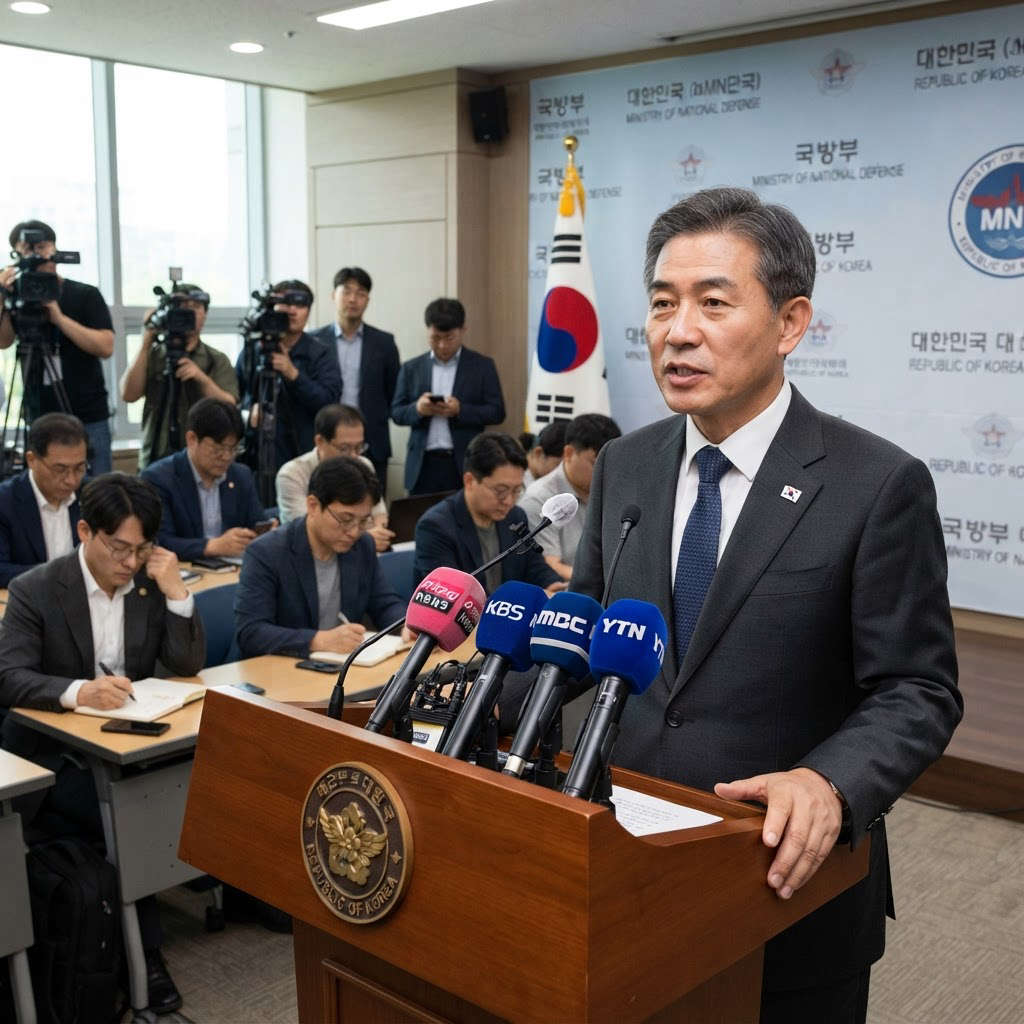
The South Korean government has announced plans to expand the operational scope of its Cheonghae anti-piracy unit to include waters near the Strait of Hormuz, involving the deployment of additional naval assets such as maritime patrol aircraft and explosive ordnance disposal teams. Officials stated the mission is strictly for non-combat purposes, such as protecting commercial shipping, and will operate independently of allied forces in open waters south of Oman. While the government maintains this is an expansion of existing anti-piracy efforts, the move follows international pressure to bolster maritime security in the region amid the ongoing U.S.-Iran conflict. Domestic opposition groups have expressed concerns regarding the potential for regional entanglement, prompting the government to emphasize that the deployment will not involve military intervention.
"South Korean Protesters Oppose Potential Naval Deployment to Strait of Hormuz" — will this still be in the news a week from now?
"South Korean Protesters Oppose Potential Naval Deployment to Strait of Hormuz" — do you expect real action to follow, not just talk?
Sanctions & Export Controls
China Extends Suspension of Export Controls on Strategic Minerals to January 10, 2027
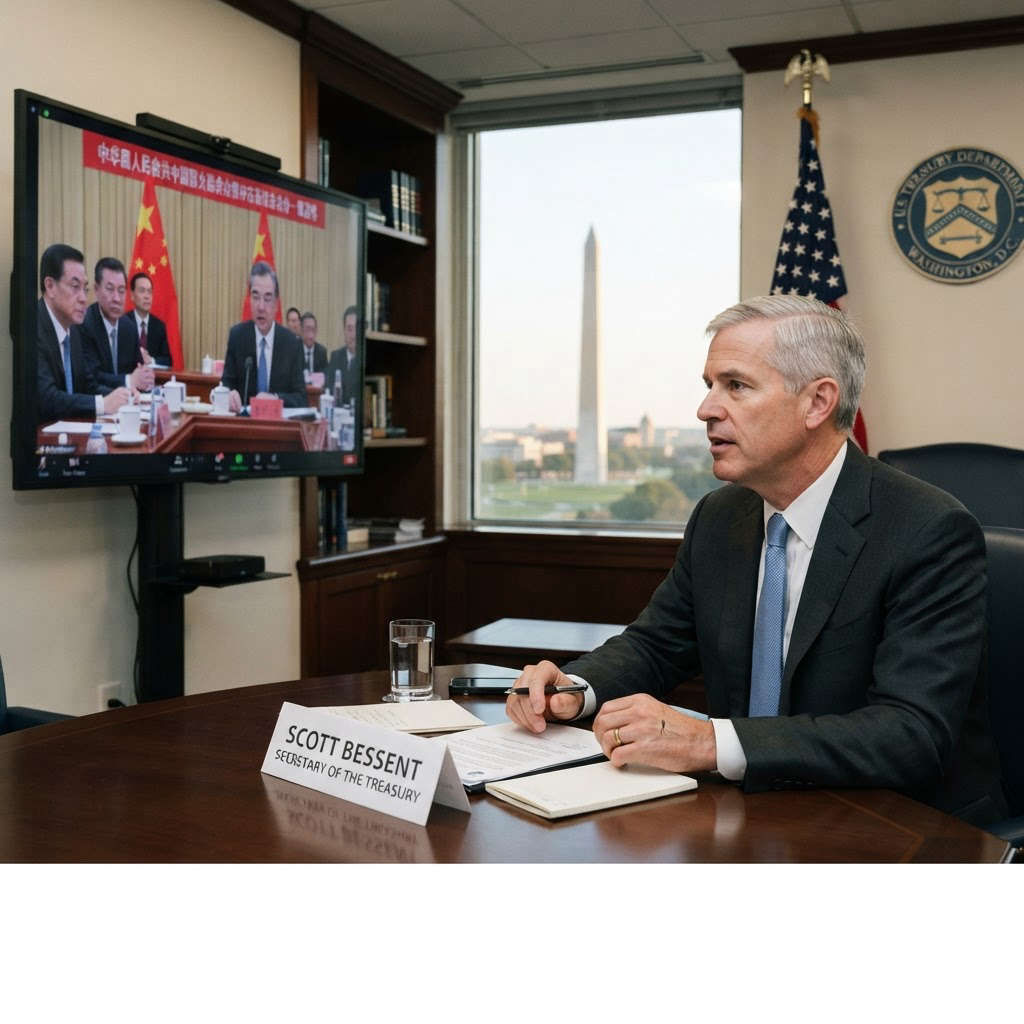
China's Ministry of Commerce and the General Administration of Customs issued a notice on November 9, 2026, extending the suspension of export controls on certain rare earth and battery materials. The suspension, which was previously set to expire on November 10, 2026, will now remain in effect until January 10, 2027. This extension aligns with a bilateral arrangement between China and the United States. The measure covers specific licensing requirements established in October 2025, though other existing export controls remain in force.
"China Extends Suspension of Export Controls on Strategic Minerals to January 10, 2027" — will this still be in the news a week from now?
"China Extends Suspension of Export Controls on Strategic Minerals to January 10, 2027" — do you expect real action to follow, not just talk?
Diplomacy & Treaties
U.S. Secretary of State Marco Rubio Warns of Diplomatic Deadlock in Iran Negotiations
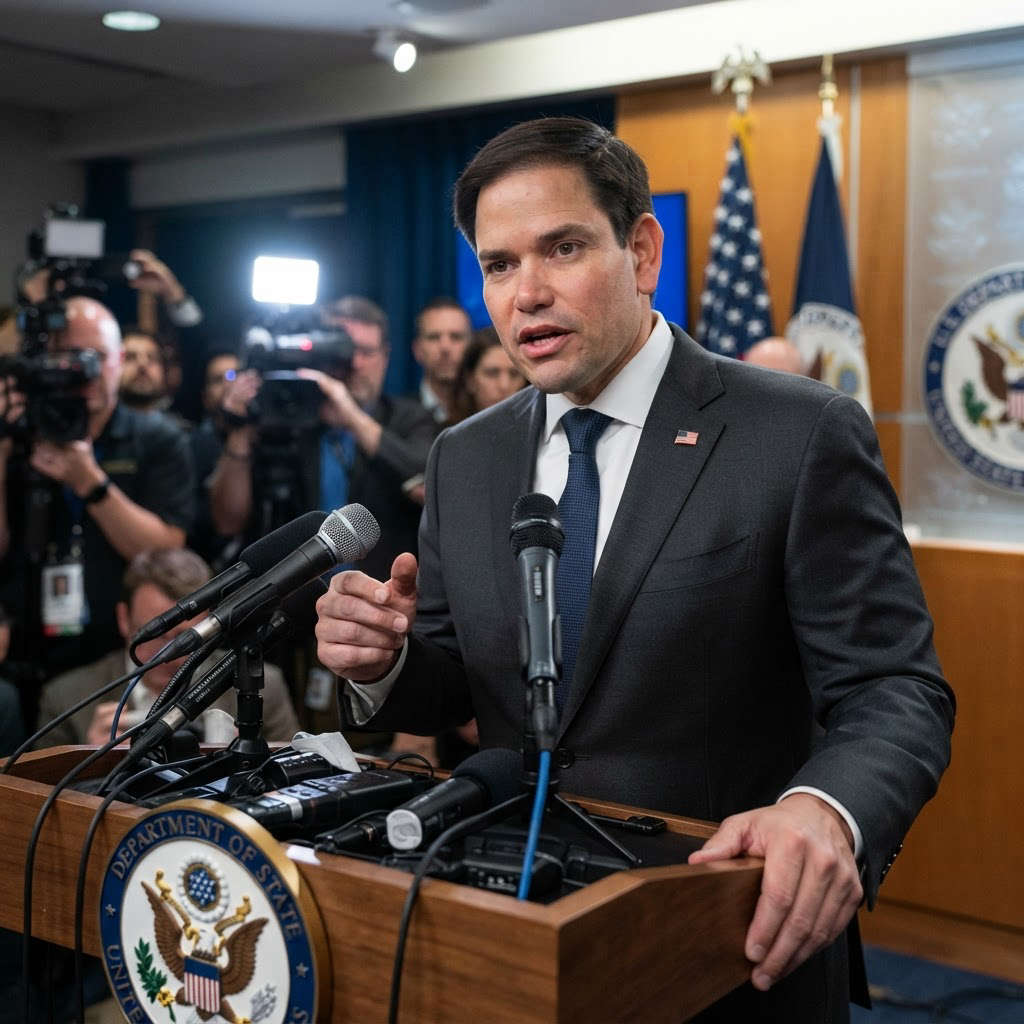
U.S. Secretary of State Marco Rubio stated on November 8, 2026, that reaching a diplomatic agreement with Iran may be impossible due to what he described as Tehran's unreasonable demands. Despite ongoing mediation efforts by regional partners, Rubio indicated that negotiations remain far from a breakthrough. He reaffirmed that while the administration prefers peaceful resolutions, it remains prepared to continue military pressure if necessary. This assessment follows months of conflict and persistent, albeit stalled, diplomatic outreach.
"U.S. Secretary of State Marco Rubio Warns of Diplomatic Deadlock in Iran Negotiations" — will this still be in the news a week from now?
"U.S. Secretary of State Marco Rubio Warns of Diplomatic Deadlock in Iran Negotiations" — do you expect real action to follow, not just talk?
Europe & NATO
White House Proposes Broad European Security Framework Following Talks with Russian Envoy

President Donald Trump has indicated that a potential agreement to end the war in Ukraine could involve a broader European security framework, following a private meeting with Russian envoy Kirill Dmitriev. White House envoy Jared Kushner confirmed that U.S. officials held discussions in Brussels with Ukraine, NATO, and European partners regarding security guarantees and a new regional security architecture. While the administration describes these efforts as productive, some European officials and diplomats have expressed skepticism, citing concerns over a lack of prior consultation and the potential impact on existing security structures.
"White House Proposes Broad European Security Framework Following Talks with Russian Envoy" — will this still be in the news a week from now?
"White House Proposes Broad European Security Framework Following Talks with Russian Envoy" — do you expect real action to follow, not just talk?
Sociology & Social Systems
Could LLM-based social simulations enable predictive modeling of political polarization by 2028

Summary
Researchers have demonstrated that recommendation algorithms in large language model (LLM)-based social networks significantly increase opinion polarization and extremization compared to chronological baselines. The study, published on October 9, 2026, utilized LLM agents to simulate online social interactions and measured polarization as opinion dispersion and extremization as distance from neutral midpoints. Results indicated that algorithmic recommendations led to absolute increases in polarization metrics of up to 0.12. This finding provides a controlled experimental framework for isolating how specific algorithmic design choices influence collective social dynamics.
Algorithmic Influence on Social Extremization
The recent study by Ali Safarpoor Dehkordi (arXiv, 'Polarization Dynamics under Algorithmic Recommendations in LLM-based Online Social Networks', 2026) provides a quantitative look at how recommendation algorithms drive social fragmentation. By utilizing LLM-based agents to simulate social networks, the researchers were able to isolate the effect of recommendation systems from other confounding variables. The study found that algorithmic recommendations consistently increased mean polarization and extremization, with absolute differences reaching 0.12 compared to a chronological baseline (arXiv, 'Polarization Dynamics', Dehkordi, 2026). This suggests that the very mechanisms designed to increase user engagement—such as prioritizing content that aligns with past behavior—actively amplify ideological divergence.
Bridging Simulation and Real-World Policy
While these simulations offer a powerful tool for understanding social dynamics, they are currently limited by the degree to which agent behaviors mirror human psychological complexity. Raad Bin Tareaf (arXiv, 'Diverse Minds, Divided Networks?', 2026) notes that while personality composition—specifically the interaction between Agreeableness and Openness—shapes polarization, these models are still in their early stages of validation against real-world longitudinal data. The path to practical application involves using these simulations as 'digital twins' for social platforms, allowing regulators and developers to test the societal impact of algorithm changes before they are deployed (Human Rights Research Center, 2026). To move forward, researchers must address the 'measurement circularity' inherent in LLM-based social simulations, ensuring that the agents' responses are not merely artifacts of the models' training data but reflect genuine social interaction patterns (arXiv, 'Diverse Minds, Divided Networks?', Bin Tareaf, 2026). Future work should focus on calibrating these models with empirical data from diverse cultural contexts to ensure that the findings on polarization are not limited to specific Western-centric digital environments (Frontiers, 'Digital religion in platform societies', 2026).
What It Will Take to Advance This
Researchers must conduct large-scale validation studies comparing LLM-based simulation results with real-world longitudinal data from social media platforms to ensure the models accurately reflect human behavior. The 'measurement circularity' in LLM-based social simulations must be resolved by developing induction gates or other mechanisms that prevent the model's training data from biasing the simulation outcomes. National science agencies need to provide dedicated funding for the creation of open-source, standardized agent-based simulation environments that can be used by the broader research community. Policymakers must establish clear standards for 'algorithmic impact assessments' that define acceptable levels of polarization and require platforms to demonstrate compliance through validated simulation models. Tech companies must integrate these simulation frameworks into their development pipelines to monitor the 'polarization footprint' of new algorithm updates before they are deployed to human users.
Future Possibilities
Public health communication strategies could be optimized by using simulation models to predict how health-related information spreads through polarized networks. By identifying the 'algorithmic pathways' that lead to vaccine hesitancy or misinformation, health agencies can design more effective, targeted outreach that bypasses echo chambers. This would require the integration of simulation tools into existing public health surveillance systems, potentially increasing the reach of accurate health information by 20-30% in high-risk populations. Future research should focus on creating 'agent-based' models that incorporate specific health-belief variables to test the efficacy of different messaging strategies.
- •Mid term (2-5 years)
- •Moderate confidence
Reference: The study demonstrates that LLM simulations can effectively model opinion dynamics and polarization (arXiv, 'Polarization Dynamics', Dehkordi, 2026).
Intelligence agencies could utilize these simulations to anticipate and mitigate foreign influence operations that exploit algorithmic vulnerabilities to destabilize social cohesion. By modeling how adversarial content propagates through specific recommendation architectures, security teams can develop proactive countermeasures to neutralize disinformation campaigns before they reach critical mass. This capability would shift the focus from reactive content moderation to structural defense of the information environment. Future research should prioritize the development of 'adversarial agent' models that simulate the tactics of state-sponsored disinformation actors.
- •Mid term (2-5 years)
- •Moderate confidence
Reference: Research confirms that algorithmic ranking is a primary driver of political attitude shifts and can be manipulated (Human Rights Research Center, 2026).
Market research firms could adopt these simulation frameworks to predict consumer sentiment shifts in highly polarized markets, allowing companies to navigate brand risks more effectively. By understanding how recommendation algorithms influence the formation of consumer 'camps,' businesses can tailor their marketing to bridge divides rather than exacerbate them. This could lead to more stable brand loyalty and reduced volatility in consumer-facing industries. Future research should investigate the correlation between algorithmic polarization and consumer purchasing behavior in diverse demographic segments.
- •Mid term (2-5 years)
- •High confidence
Reference: The study shows that recommendation algorithms significantly influence opinion dispersion and extremization (arXiv, 'Polarization Dynamics', Dehkordi, 2026).
Climate change communication could be significantly improved by using simulation models to identify the most effective ways to build consensus across polarized political groups. By testing different framing strategies in simulated environments, environmental organizations can identify messages that resonate across ideological boundaries, potentially increasing public support for climate policy. This would require the creation of large-scale agent models that reflect the current political landscape of climate discourse. Future research should focus on identifying the 'tipping points' where cross-cutting interactions lead to meaningful shifts in collective opinion.
- •Long term (5+ years)
- •Low confidence
Reference: Simulations show that cross-cutting interactions are the only variable whose association with collective accuracy survives rigorous statistical controls (arXiv, 'Diverse Minds, Divided Networks?', Bin Tareaf, 2026).
Digital platforms could introduce 'cohesion-aware' recommendation settings that allow users to opt into feeds that prioritize diverse perspectives, potentially reducing the daily experience of polarization. This would empower individuals to take control of their information diet, fostering a more nuanced understanding of public issues. The success of this would depend on platform transparency and the availability of user-friendly tools to adjust algorithmic parameters. Future research should focus on the psychological impact of 'cohesion-aware' feeds on user well-being and political tolerance.
- •Long term (5+ years)
- •Moderate confidence
Reference: The study highlights that algorithmic ranking holds a powerful role in determining what information users encode (Human Rights Research Center, 2026).
National science foundations should establish dedicated grant lines for the development of 'algorithmic impact assessment' tools using LLM-based social simulations. By funding the creation of standardized agent-based environments, agencies can enable researchers to stress-test new recommendation architectures before they are deployed at scale. This would mirror the successful funding models used for cybersecurity infrastructure, ensuring that social stability is treated as a core design requirement.
- •The study demonstrates that LLM simulations can isolate specific algorithmic variables (arXiv, 'Polarization Dynamics', Dehkordi, 2026).
- •Existing research confirms that algorithmic ranking is a primary driver of political attitude shifts (Human Rights Research Center, 2026).
Reference: arXiv, 'Polarization Dynamics under Algorithmic Recommendations in LLM-based Online Social Networks', Ali Safarpoor Dehkordi, 2026
Social scientists and platform engineers should collaborate to translate these simulation findings into 'de-polarization' design patterns. This involves implementing 'cross-cutting' interaction features within recommendation engines that have been shown in simulations to reduce echo-chamber effects without sacrificing collective intelligence. These patterns would be validated through small-scale A/B testing on public-interest platforms before wider adoption.
- •Simulations show that cross-cutting interactions are the only variable whose association with collective accuracy survives rigorous statistical controls (arXiv, 'Diverse Minds, Divided Networks?', Bin Tareaf, 2026).
- •The study found that homogeneous societies act as consensual echo chambers rather than moderate ones (arXiv, 'Diverse Minds, Divided Networks?', Bin Tareaf, 2026).
Reference: arXiv, 'Diverse Minds, Divided Networks? Personality Composition, Polarization, and Collective Intelligence in LLM-Based Social Simulations', Raad Bin Tareaf, 2026
Tech companies should integrate these simulation frameworks into their CI/CD (Continuous Integration/Continuous Deployment) pipelines to monitor the 'polarization footprint' of new algorithm updates. By running automated simulations of agent societies alongside code updates, developers can identify and mitigate extremization risks before features reach human users. This would require the standardization of agent personality profiles to ensure simulations reflect diverse real-world demographics.
- •The study provides a methodology for measuring polarization and collective performance in the same system (arXiv, 'Diverse Minds, Divided Networks?', Bin Tareaf, 2026).
- •Algorithmic recommendations were shown to increase mean polarization by up to 0.12 in controlled runs (arXiv, 'Polarization Dynamics', Dehkordi, 2026).
Reference: arXiv, 'Polarization Dynamics under Algorithmic Recommendations in LLM-based Online Social Networks', Ali Safarpoor Dehkordi, 2026
Regulatory bodies should adopt 'algorithmic audit' standards that require platforms to demonstrate the impact of their recommendation systems on social cohesion using validated simulation models. These standards would define acceptable thresholds for polarization metrics, similar to how financial institutions must meet stress-test requirements. This would create a clear compliance pathway for platforms to prove they are not systematically amplifying extremist content.
- •Research indicates that algorithmic ranking holds a powerful role in determining what information users encode (Human Rights Research Center, 2026).
- •The study highlights the need for localized and dynamic frameworks to evaluate social cohesion (Springer, 'Social cohesion: a multi-dimensional and multi-faceted framework', 2026).
Reference: Human Rights Research Center, 'The Role of Social Media Algorithms in Shaping Political Polarisation in the United States', 2026
Universities should launch interdisciplinary training programs that combine computational social science with AI ethics to prepare the next generation of platform architects. These programs would focus on the 'Platformed Cohesion Model,' teaching students how to design digital environments that foster horizontal and vertical social trust. This workforce would be equipped to bridge the gap between technical optimization and sociological impact.
- •The Platformed Cohesion Model (PCM) provides a framework for understanding how platform design influences social outcomes (Frontiers, 'Digital religion in platform societies', 2026).
- •Recent scholarship emphasizes that social cohesion is a lived and mediated achievement (Springer, 'Social cohesion: a multi-dimensional and multi-faceted framework', 2026).
Reference: Frontiers, 'Digital religion in platform societies: authority, mediation, and social cohesion in algorithmic publics', 2026
European Nations to Participate in U.S.-Mediated Ukraine Talks in Abu Dhabi
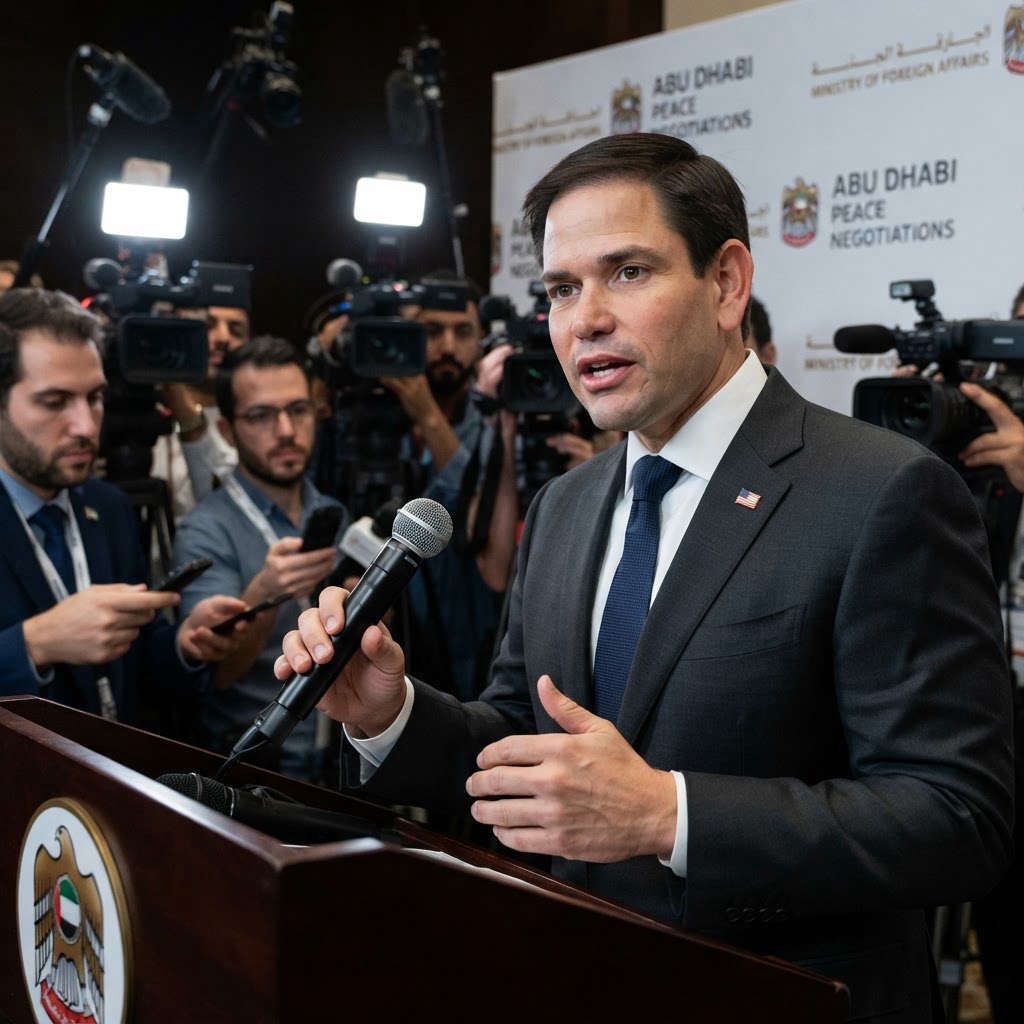
European representatives, including France, are set to participate in upcoming U.S.-mediated peace talks in Abu Dhabi, following previous discussions that were framed as a trilateral format between the United States, Ukraine, and Russia. While the Kremlin had previously insisted on a strictly trilateral framework, French officials confirmed European involvement in the upcoming sessions. U.S. Secretary of State Marco Rubio stated that progress has been made regarding the post-war security architecture for Ukraine and Europe. Meanwhile, ongoing conflict continues as diplomatic efforts to establish security guarantees and a potential peace framework proceed.
"European Nations to Participate in U.S.-Mediated Ukraine Talks in Abu Dhabi" — will this still be in the news a week from now?
"European Nations to Participate in U.S.-Mediated Ukraine Talks in Abu Dhabi" — do you expect real action to follow, not just talk?
Global Economy & Markets
China Wholesale Inflation Reaches Four-Year High as Consumer Price Growth Decelerates
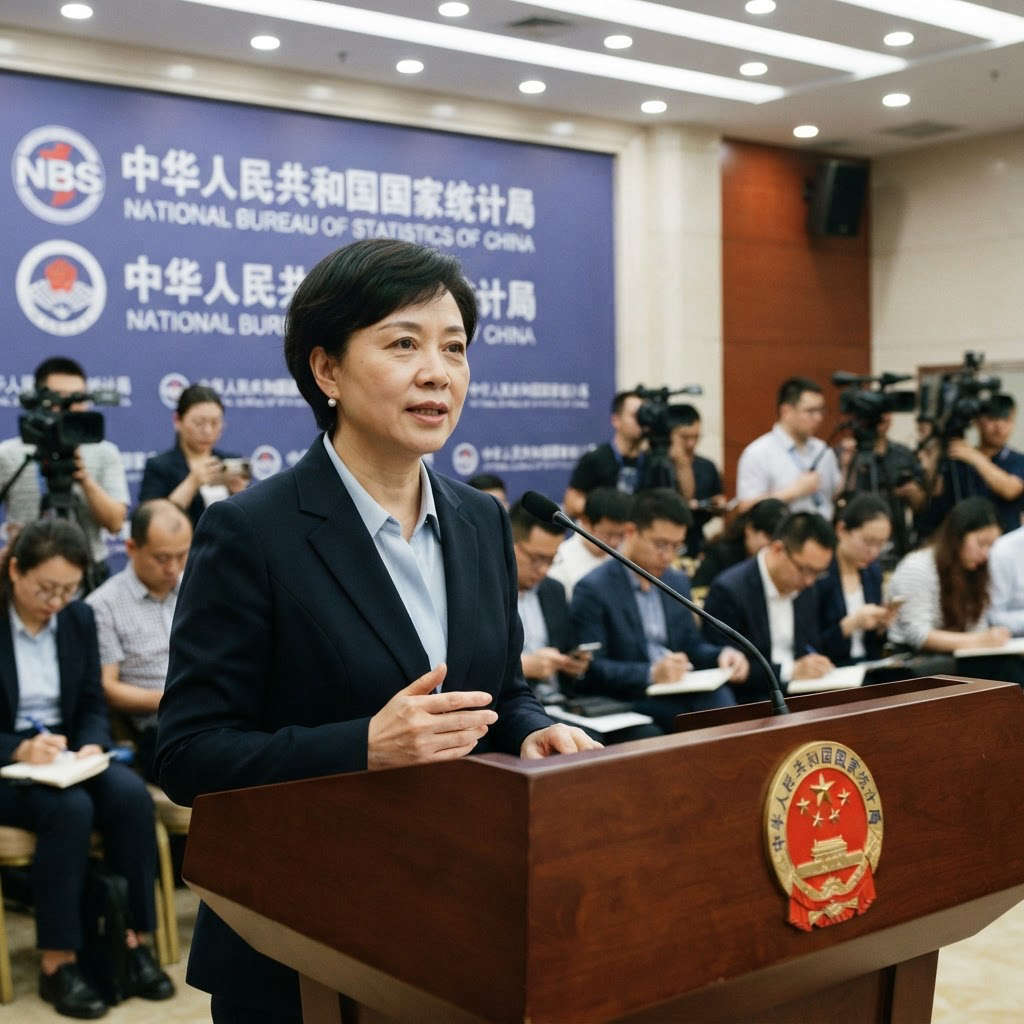
China's National Bureau of Statistics reported that the Producer Price Index rose 5.7% in October, the highest level in over four years. During the same period, the Consumer Price Index increased by 0.7% year-on-year. These figures indicate a divergence between factory-gate costs and consumer price growth.
"China Wholesale Inflation Reaches Four-Year High as Consumer Price Growth Decelerates" — will this still be in the news a week from now?
"China Wholesale Inflation Reaches Four-Year High as Consumer Price Growth Decelerates" — do you expect real action to follow, not just talk?
·
© 2026 Universe One LLC. All rights reserved.
Cookie Notice
18+ BETACookies keep you signed in and run our ads. We do not sell your data. Analytics and ad-personalization stay off until you accept.
We use cookies to keep you signed in, remember your preferences, and run the in-app ad system that keeps Universe One free. We do not sell your data. Analytics and ad-personalization cookies stay off until you accept. Ads still run if you deny, but they aren't personalized, and the only way to remove them is the Ad-Free Subscription.
You must be 18 or older to create an account during Beta testing.