

Wars & Global Conflicts
Israel Expands Military Infrastructure and Operations in Southern Lebanon
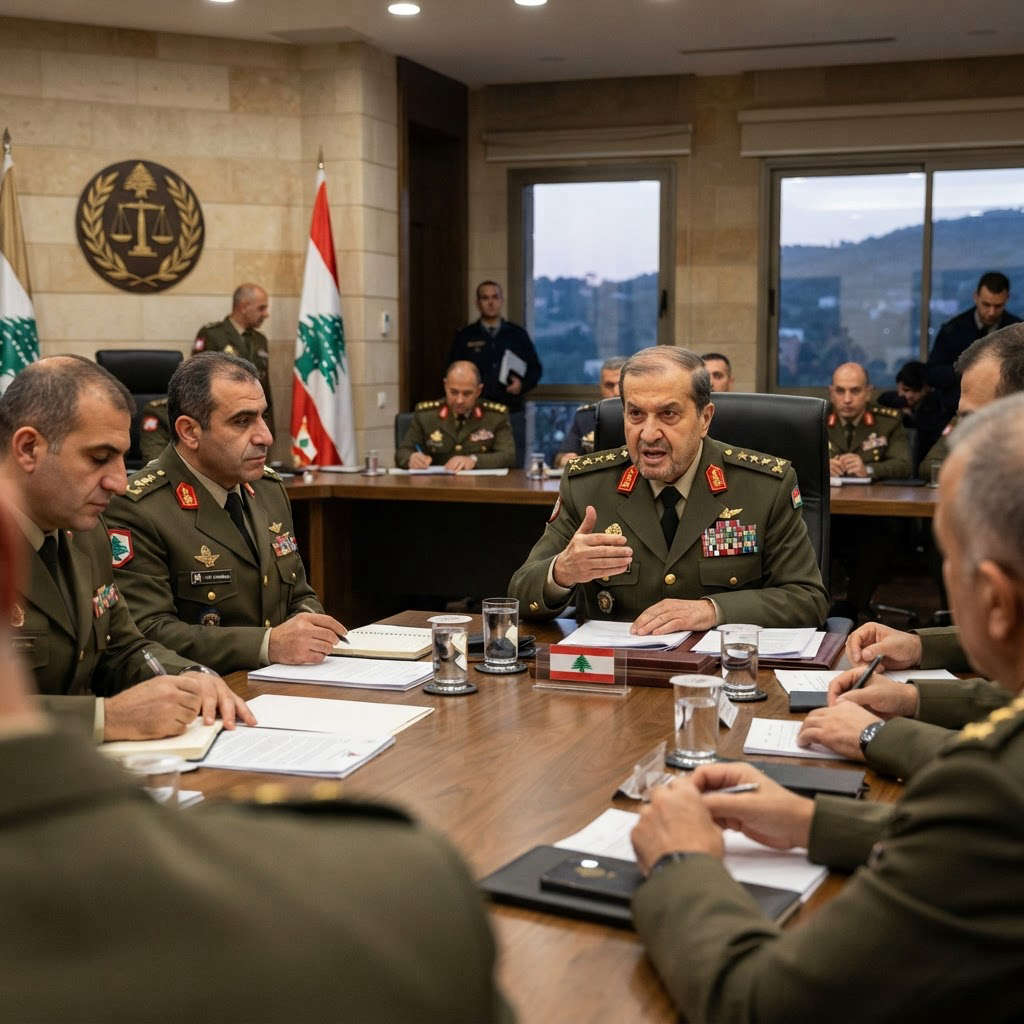
Satellite imagery and reports indicate that Israeli forces are constructing a 90-kilometer network of roads and military outposts in southern Lebanon. While Israel maintains these measures are necessary for security, the activity has drawn concern from Lebanese officials regarding the potential for a prolonged military presence. Ongoing military operations, including airstrikes and incursions, continue in the region despite previous diplomatic efforts. The situation remains tense as negotiations regarding the status of the theater persist.
The primary actors involved are the Israel Defense Forces (IDF), the Lebanese Armed Forces (LAF), and the militant group Hezbollah. The United States acts as the primary mediator, facilitating negotiations between the Israeli and Lebanese governments. UNIFIL (United Nations Interim Force in Lebanon) continues to monitor the border region, though its mandate is subject to ongoing review and potential expiration at the end of 2026.
Israel is currently constructing a 90-kilometer network of military roads and outposts across southern Lebanon. This infrastructure development is occurring within a designated security zone that Israel has occupied following recent escalations. Simultaneously, there are ongoing, albeit stalled, US-mediated negotiations aimed at achieving a gradual Israeli withdrawal in exchange for the Lebanese Armed Forces taking control of the area and disarming Hezbollah. The situation is complicated by Israel's insistence that the ceasefire it reached with Iran does not extend to its operations in Lebanon.
The activities are concentrated in southern Lebanon, specifically along the border with Israel. Reports indicate that the IDF has issued evacuation orders for towns such as Mansouri, which have been incorporated into the Israeli-controlled security zone. The infrastructure development spans a significant portion of the border region, creating a physical barrier that alters the landscape and accessibility of the area.
The current escalation follows a series of conflicts that intensified in March 2026. Recent developments, including the construction of the road network and the issuance of new evacuation orders, have been reported as of November 6-7, 2026. The UNIFIL mandate is set to expire on December 31, 2026, creating a critical deadline for diplomatic progress.
Israel maintains that its military operations and infrastructure construction are necessary defensive measures to prevent Hezbollah from re-establishing its military presence in southern Lebanon, which it claims was the cause of the October 2023 attacks. Conversely, the Lebanese government and international observers express concern that these actions represent a long-term occupation strategy that undermines Lebanese sovereignty and violates international norms. The Lebanese government, while wary of Hezbollah, is under immense pressure to prevent the country from becoming a theater for regional conflicts.
The process is governed by a mix of military occupation and diplomatic negotiation. Israel utilizes its military superiority to enforce the security zone, while the US employs its diplomatic leverage to broker a trilateral framework. The mechanism for resolution relies on the Lebanese Armed Forces' ability to demonstrate control over the territory, a task that remains difficult given the political and military influence of Hezbollah. The situation is further complicated by the lack of a breakthrough in the trilateral talks, leaving the region in a state of precarious limbo.
European Commission Launches Second Annual Migration Management Cycle
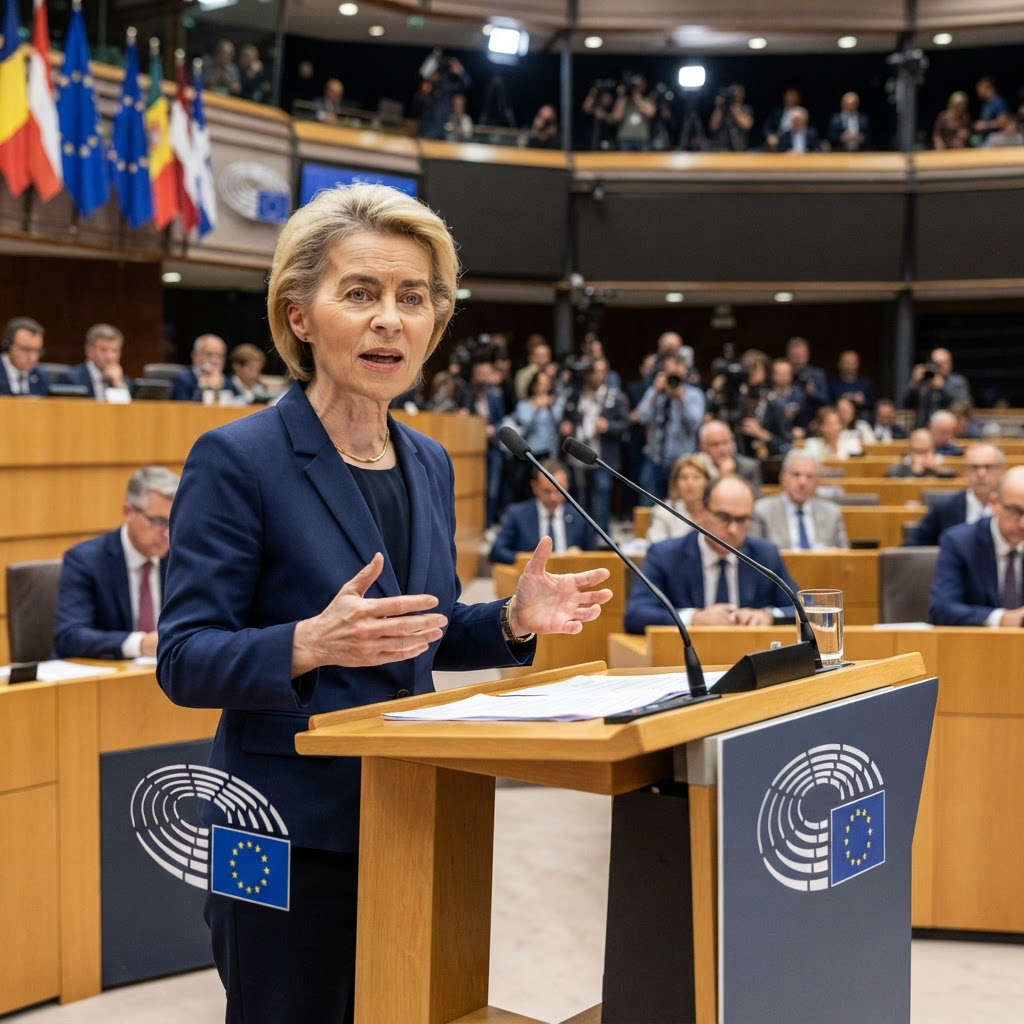
On November 6, 2026, the European Commission initiated the second Annual Migration Management Cycle to assess the implementation of the EU's migration and asylum framework. The accompanying report notes that while the Eurodac system and border screening procedures are operational, further efforts are required to address gaps in responsibility rules and asylum applicant transfers. The Commission continues to provide technical support to member states to ensure the full functionality of the Pact's components.
The key actors involved in the second Annual Migration Management Cycle include the European Commission, which serves as the primary oversight body, and the EU Member States, which are responsible for implementing the new migration and asylum framework. Specific agencies, such as the European Union Agency for Asylum (EUAA) and Frontex, provide technical and operational support. The High-Level Solidarity Forum acts as the mechanism for addressing disputes and monitoring progress, while the Council of the European Union remains the ultimate political authority for resolving persistent shortcomings.
The European Commission has launched the second Annual Migration Management Cycle, a structured process designed to monitor and evaluate the implementation of the EU's new migration and asylum pact. The cycle assesses the operational status of the Eurodac system, the effectiveness of border screening procedures, and the progress of the new responsibility rules. The report confirms that while foundational elements are in place, there are critical gaps in the transfer of asylum applicants and the equitable distribution of responsibility among member states.
The management cycle applies to all EU Member States, with specific focus on those facing the most significant migratory pressures, including Bulgaria, Czechia, Estonia, Croatia, Austria, and Poland. These countries have experienced cumulative pressures over the last five years, necessitating targeted support and monitoring from the Commission.
The cycle was officially launched on November 6, 2026, following the publication of the Asylum and Migration Report on November 5, 2026. This cycle builds upon the initial framework established in previous years and will continue to monitor developments throughout the coming year, with potential escalations to the Council if gaps remain unaddressed.
The primary motivation for the cycle is to ensure the full operationalization of the EU's new migration pact, which aims to create a more predictable and orderly system for managing irregular migration. The Commission seeks to address the persistent challenges of responsibility-sharing and the effective transfer of asylum seekers, which have historically been points of contention among member states. By providing a structured monitoring process, the Commission hopes to foster greater solidarity and compliance across the bloc.
The process operates through a combination of technical monitoring, operational support from EU agencies, and political dialogue via the High-Level Solidarity Forum. The Commission collects data on border screenings, asylum processing times, and transfer rates to identify bottlenecks. If member states fail to meet their obligations, the Commission uses the forum to raise concerns and, if necessary, refers the issues to the Council for political resolution. This mechanism is designed to be iterative, allowing for continuous adjustments based on the evolving migratory situation.
·
© 2026 Universe One LLC. All rights reserved.

Cookie Notice
18+ BETACookies keep you signed in and run our ads. We do not sell your data. Analytics and ad-personalization stay off until you accept.
We use cookies to keep you signed in, remember your preferences, and run the in-app ad system that keeps Universe One free. We do not sell your data. Analytics and ad-personalization cookies stay off until you accept. Ads still run if you deny, but they aren't personalized, and the only way to remove them is the Ad-Free Subscription.
You must be 18 or older to create an account during Beta testing.